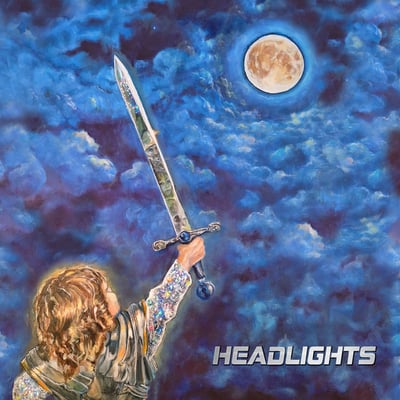
Alex G Headlights
Released Jul 18, 2025 Alex G/RCA Records
Established consensus 14 professional reviews Updated Nov 23, 2025
Broadly positive consensus
Alex G's Headlights negotiates a careful new clarity, turning familiar home-recorded intimacy into fuller, higher-fidelity arrangements without losing the songwriter's off-kilter heart.
How ChoruScore worksCritics' Top Tracks
The songs critics returned to most
Afterlife
13 critic mentions
“When the song blooms in the chorus – when he emphasizes “Son” with a yee-haw enthusiasm – it’s hard not to smile.” — Beats Per Minute
June Guitar
13 critic mentions
“the patient, fingerpicked reflection of “June Guitar” might trick your ear into hearing Tracy Chapman’s “Fast Car,” — Slant Magazine
Real Thing
10 critic mentions
“The four-note flute flourish on “Real Thing” feels pulled from a fairytale” — Beats Per Minute
Full critic consensus
Alex G's Headlights negotiates a careful new clarity, turning familiar home-recorded intimacy into fuller, higher-fidelity arrangements without losing the songwriter's off-kilter heart. Across professional reviews, critics identify a refinement of sound that foregrounds melody and character-driven storytelling while preserving moments of distortion and oddball theatricality that keep the record from smoothing into anonymity. The critical consensus suggests that Headlights largely succeeds where it matters: craft, mood, and memorable songs.
Reviewers consistently point to standout tracks as proof of that success. “Afterlife”, praised in 13 reviews for its mandolin lift and fatherhood references, “June Guitar” and “Real Thing” earn frequent mentions for aching melodic clarity and pastoral detail, while “Oranges” and “Beam Me Up” recur as highlights that braid warmth with sly experimentation. Across 14 professional reviews the record earned an 80.93/100 consensus score, with critics noting orchestration, summery warmth, and a fidelity upgrade that expands Alex G's range without abandoning his DIY sensibility.
Not all responses are unqualified. Some critics see the polish as restraint that tames earlier abrasions, producing a sequence that at times feels conservative; others celebrate the major-label transition as an evolution that deepens themes of grief, memory, and domestic tenderness. Taken together the reviews make a measured case: Headlights is a confident, sometimes radiant step forward in Giannascoli's catalog, offering clear best songs and enough nuance to reward repeated listening. Below, the full reviews unpack where the record's warmth, mystery, and occasional theatricality land for different critics.
Track Ratings
How critics rated each track, relative to this album (0-100). Only tracks that made critics feel something are rated.
June Guitar
Real Thing
Afterlife
Beam Me Up
Spinning
Louisiana
Bounce Boy
Oranges
Far and Wide
Headlights
Is It Still You In There?
Logan Hotel (Live)
Get the next albums worth your time.
Critic-backed picks in one clean digest. No clutter.
What Critics Are Saying
Deep insights from 14 critics who reviewed this album

Critic's Take
Alex G finds a new balance on Headlights, where the best songs - “Real Thing” and “June Guitar” - trade his previous warp and abrasion for aching melodic clarity. The reviewer lingers on the album's incidental moments of melody, praising the pan flute-led “Real Thing” as the peak, and noting the crooked lyricism of “June Guitar” as emblematic of Giannascoli's emotional range. This is not a retreat into blandness; production flourishes remain, but they now serve the melancholic soft-rock at the album's core.
Key Points
-
The best song is "Real Thing" because it is called the album peak and deemed "simply and addictively beautiful."
-
The album's core strength is using subtle production to foreground timeless, melancholic soft-rock melodies.
Themes

Critic's Take
Alex G’s Headlights reads like evolution made tangible, the record’s best songs - notably “Headlights” and “June Guitar” - crystallize his move from arid lo-fi to lush country-folk. Kayla Sandiford’s review savors how those tracks create intricate worlds for characters, and why the album’s sharper glitch-pop edges only sharpen its rewards. The writing celebrates craftsmanship rather than gimmicks, so queries about the best songs on Headlights point straight to those standout moments that balance texture and story. Overall the reviewer frames these tracks as the album’s emotional and stylistic centers, the clearest evidence of Alex G’s forward motion.
Key Points
-
The best song is a standout because it crystallizes Alex G’s shift from lo-fi to lush country-folk while centering character-driven narratives.
-
The album’s core strengths are textural variety and precise storytelling that turn songs into intricate worlds.
Themes

Critic's Take
Alex G steps into the glare on Headlights, and the best songs - “Beam Me Up” and “Louisiana” - make that exposure feel strange and gorgeous. The reviewer lingers on images of domestic decay and uncanny Americana to explain why the album's standout tracks reward repeated listening. With vocal flips on “Far and Wide” and autotuned ache on “Bounce Boy”, the record's top songs balance cryptic lyricism and melodic clarity. Ultimately, the best tracks on Headlights prove Alex's unashamed oddness is precisely what makes this major-label debut sing.
Key Points
-
“Louisiana” is the best for its brooding, gothic imagery and slow-motion menace that anchor the album’s emotional core.
-
The album’s core strengths are its preserved weirdness, vivid Americana imagery, and Alex G’s unguarded but cryptic vocal delivery.
Themes

Critic's Take
Cohen keeps his dry wit and close listening intact, praising how “Beam Me Up” reframes the major-label leap and how “Afterlife” wears classic-rock flourishes like a new skin. He foregrounds production and performance, arguing that the polish expands Alex G's range rather than corrupts it. The review positions these tracks as the standout moments that answer the question of why this record matters now.
Key Points
-
Ian Cohen elevates “Beam Me Up” as the record's central talking point and best track for reframing Alex G's major-label moment.
-
Headlights' core strength is a fidelity and production upgrade that expands Alex G's emotional and stylistic range while retaining inscrutability.
Themes

Critic's Take
Alex G makes Headlights feel like a lived-in diary, where the best songs - “June Guitar”, “Afterlife”, and “Oranges” - braid warmth and small, aching details into unforgettable choruses. The reviewer’s tone remains affectionate and observant, noting how gentle strums and surprising flourishes turn intimacy into something nearly communal. He points out that Alex G’s experimentations are features, not centerpieces, and that centerpiece songs like “Oranges” re-ground the record with spacious guitar and emotional clarity. Listeners searching for the best songs on Headlights will find themselves returning to these tracks for their melody, lyricism, and that peculiar nostalgic tug.
Key Points
-
“Oranges” is the best song because it re-grounds the album with delicate, spacious guitar and emotional clarity.
-
The album’s core strengths are warm, nostalgic melodies and intimate, specific lyrics where experimentation serves the songs.
Themes

Critic's Take
Alex G’s Headlights keeps his oddball charm intact while expanding into bigger arrangements, and the best tracks prove it. “Real Thing” cuts with anxious specificity about the RCA deal, “Afterlife” lands as a joyous, pun-laden highlight referencing fatherhood, and the arena-ready sweep of “Louisiana” is one of the album’s most magnificent moments. The record rewards close listening: startling instrumentation, theatrical turns like “Far and Wide”, and live warmth on the Logan Hotel closer make these the best songs on Headlights.
Key Points
-
The best song moments like “Afterlife” and “Louisiana” pair personal detail with ambitious, arena-ready arrangements.
-
The album’s core strengths are unpredictable instrumentation, theatrical vocal turns, and high-fidelity production that preserve Alex G’s oddness on a major label.
Themes

Critic's Take
Alex G feels comfortably himself on Headlights, and the best songs - namely “June Guitar” and “Bounce Boy” - underline why. Elle Palmer's tone is warm and appreciative, noting how “June Guitar” drapes reflections on love and youth in gorgeous twangs while “Bounce Boy” lets fizzy electronica lift him up into the clouds. Overall the critic frames these tracks as the clearest evidence that Giannascoli's songwriting still lodges itself like a memory in the listener's brain.
Key Points
-
“June Guitar” is best for its gorgeous twangs and swelling accordion that crystallize the album's warmth.
-
The album's core strengths are its lived-in warmth, memorable melodies, and a balance of polished production with intimate songwriting.
Themes

Critic's Take
Alex G’s Headlights foregrounds its best songs by leaning into strange, affecting flourishes that make the album’s top tracks impossible to forget. The review sings the praises of “Afterlife”, where a mandolin-chord and bagpipe-like keys render the song completely undeniable, and points to “Louisiana” and the title track “Headlights” as listen-to recommendations. Tony Inglis writes with a wry, observant eye, noting how modulation and child-choir touches turn odd affectations into genuine emotion, which is why these songs stand out on the record. The result is an Alex G record that is hopeful, refined, and still surprising, with clear best tracks that answer the question of the best songs on Headlights.
Key Points
-
The best song, "Afterlife", is the album standout because of its mandolin chord, bagpipe-like keys, and undeniable anthemic quality.
-
Headlights' core strengths are its refined sonics, surprising textural flourishes, and a hopeful emotional throughline despite major-label context.
Themes

Critic's Take
Alex G sounds as intimate and unfussy as ever on Headlights, which centers its best tracks around cozy, memorable melodies like “June Guitar” and “Afterlife”. The reviewer's voice lingers on the warm, lived-in detail of “June Guitar” and the bluegrass-tinged lift of “Afterlife”, explaining why those songs feel like the album's clearest rewards. He lauds the casual tunefulness of “Real Thing” and the nostalgia of “Oranges”, noting how little has changed about Giannascoli's ability to craft quietly affecting songs. Overall the piece frames Headlights as further proof that Alex G's homegrown methods still produce striking, life-affirming work.
Key Points
-
“June Guitar” is the best song because of its chiming chords, quiet wisdom, and wholly lived-in sound.
-
The album's core strengths are intimate home-recording aesthetics, warm nostalgia, and consistent, quietly affecting songwriting.
Themes

Critic's Take
Alex G’s Headlights finds its best moments in warm, intimate songs like “June Guitar” and the uplifting “Afterlife”, where orchestration and oddball charm coexist. The reviewer’s voice stays fondly observant, noting how bellowing accordions and mandolin surprises let the best tracks breathe without losing Alex G’s off-kilter heart. Tracks such as “Bounce Boy” and “Oranges” further prove that the best songs on Headlights balance experimental fuzz with approachable melodies. Overall, the record feels like a confident expansion rather than a sellout, and those standout songs make the case for why fans should call these the best tracks on Headlights.
Key Points
-
The best song(s) blend Alex G’s off-kilter heart with richer orchestration, exemplified by "June Guitar" and "Afterlife".
-
The album’s core strengths are its higher fidelity orchestration, pastoral imagery, and preservation of DIY eccentricities.
Themes


Critic's Take
Alex G remains a mercurial presence on Headlights, where the best songs - notably “Real Thing” and “Oranges” - balance tenderness with sly experimentation. He singles out the gorgeous title track as one that warrants repeated listens, even as the album's prettiness sometimes tips into distortion. Overall, the best tracks on Headlights are those that marry wistful melody with sly sonic shifts, keeping listeners off balance in the most rewarding ways.
Key Points
-
The best song is praised for marrying intimate lyricism with indebted influences, notably “Real Thing” channeling Nick Drake and Elliott Smith.
-
The album’s core strengths are its tender moments, melodic beauty, and daring sonic choices that keep the listener unsure yet engaged.
Themes

Critic's Take
In a quietly anxious turn on Headlights, Alex G flirts with self-sabotage while still delivering standout moments like “Afterlife” and “Oranges”. The record often sounds bashful and restrained, but songs such as “Beam Me Up” and “Louisiana” reveal his talent for raw honesty and earworm melodies. If you search for the best songs on Headlights, start with “Afterlife” for its mandolin-driven charm and “Oranges” for its dazzling, timeless sheen. Even when tracks drift into impersonation, Giannascoli's peculiar charm brings the music back to life.
Key Points
-
The best song is "Afterlife" because its mandolin-driven charm and accessibility make it the record's clearest earworm.
Themes

Critic's Take
Alex G’s Headlights finds its strongest moments in songs like “Afterlife” and “Real Thing”, which showcase warm vocals and summery melodic lifts even as the album leans toward a more contained, conservative production. Amen writes with a measured, slightly rueful cadence, noting that “Afterlife” is the melodic highpoint while “Real Thing” is bolstered by strummy guitar and swirly synths, making them the best songs on Headlights. The review foregrounds those tracks as the album’s most appealing - seductive, winsome cuts amid an otherwise restrained, less riveting sequence.
Key Points
-
“Afterlife” is best because it pairs warm, catchy vocals with an inviting, summery melody that stands out on the record.
-
The album’s core strengths are its seductive vocals and winsome sonics, tempered by a restrained, more commercial production.