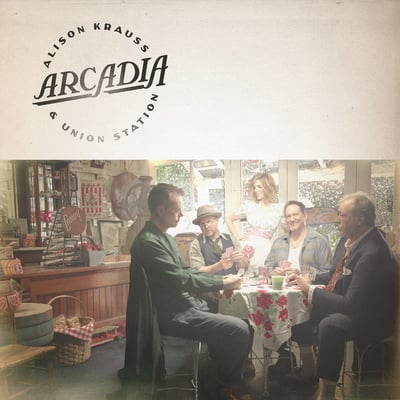
Alison Krauss & Union Station Arcadia
Released Mar 28, 2025 Down The Road
Established consensus 8 professional reviews Updated Oct 1, 2026
Broadly positive consensus
Alison Krauss & Union Station's Arcadia reintroduces one of Americana's most assured ensembles with a lean, elegiac collection that critics say mostly succeeds.
How ChoruScore worksCritics' Top Tracks
The songs critics returned to most
Looks Like The End Of The Road
6 critic mentions
“the lilting, dark opener, “Looks Like the End of the Road,” which soars on the strength of Krauss’ vocals and Jerry Douglas’ elegant dobro” — Under The Radar
Granite Mills
6 critic mentions
“In the poignant track “Granite Mills”, written by Timothy Erickson, Moore recounts the tragic Granite Mills fire” — PopMatters
The Hangman
4 critic mentions
“Moore’s vocals on “The Hangman” somehow echo the complete history of Americana music” — Under The Radar
Full critic consensus
Alison Krauss & Union Station's Arcadia reintroduces one of Americana's most assured ensembles with a lean, elegiac collection that critics say mostly succeeds. Across eight professional reviews the record earned a 79.63/100 consensus score, and reviewers repeatedly point to a handful of songs as the album's emotional and musical center. The opener and centerpiece - “Looks Like The End Of The Road” - alongside “Granite Mills”, “The Hangman”, “Snow” and “There’s A Light Up Ahead” emerge as the best songs on Arcadia, praised for their storytelling, vocal contrast, and understated musicianship.
Track Ratings
How critics rated each track, relative to this album (0-100). Only tracks that made critics feel something are rated.
Looks Like The End Of The Road
The Hangman
The Wrong Way
Granite Mills
One Ray Of Shine
Richmond On The James
North Side Gal
Forever
Snow
There's A Light Up Ahead
Get the next albums worth your time.
Critic-backed picks in one clean digest. No clutter.
What Critics Are Saying
Deep insights from 10 critics who reviewed this album

Critic's Take
Krauss’ lilting trill on “Richmond on the James” and the elegiac beauty of “Forever” also mark these as among the best songs on Arcadia, each song revealing the album’s blend of sadness and radiant melody. Overall, the album’s best tracks are those that pair narrative weight with pristine musicianship and vocal tenderness.
Key Points
-
The best song is best because it pairs harrowing narrative with Moore’s poignant delivery and vivid storytelling.
-
The album’s core strengths are pristine vocals, narrative songwriting, and thoughtful, nostalgic instrumentation.
Themes

Critic's Take
Alison Krauss & Union Station return with Arcadia, a lean, exemplary set that makes clear what the best tracks on Arcadia are: “Looks Like the End of the Road” and “Forever”. He highlights Russell Moore's impactful leads on “The Hangman” and “Granite Mills”, and frames the album as a concise statement of continuity after 14 years. The narrative is reverent but clear - this is a return that affirms the band's mastery and yields several undeniable standout songs.
Key Points
-
“Looks Like the End of the Road” is best for its soaring vocals and Jerry Douglas' elegant dobro.
Themes

Ho
Critic's Take
Alison Krauss returns with Arcadia and the best tracks show why the reunion matters, led by “The Hangman” and “Granite Mills”. The reviewer highlights Russell Moore's lead on the lonesome murder ballad “The Hangman”, and praises the strident, angry traditional power of “Granite Mills”. Krauss's own moments, notably “The Wrong Way” and the closing “There's A Light Up Ahead”, are singled out for sweet melancholia and aching hope, securing these as the best songs on Arcadia.
Key Points
-
Russell Moore's leads on “The Hangman” and “Granite Mills” make them the standout tracks.
-
The album's core strengths are ensemble power, traditional storytelling, and Krauss's plaintive vocal moments.
Themes
mu

Critic's Take
Alison Krauss & Union Station return with Arcadia in a record that finds its best tracks in the interplay between Krauss and her new foil, notably “The Wrong Way” and “There’s A Light Up Ahead”. Mark Cooper writes in his familiar measured, elegiac register, noting how Krauss’s plaintive soprano and Jerry Douglas’s keening dobro make songs like “The Wrong Way” feel poignantly isolated while the closer, “There’s A Light Up Ahead”, points the album forward. The review highlights how the band’s traditions and contemporary confessions make these tracks standout, balancing sorrow with a forward-looking assurance. Overall the critic frames the best songs as those that fuse chamber-like bluegrass craft with clear emotional narratives, making them the essential best tracks on Arcadia.
Key Points
-
The Wrong Way is best for its poignant, fragile vocal delivery and evocative lyrics.
-
Arcadia’s core strength is its fusion of traditional bluegrass craftsmanship with contemporary, emotionally clear storytelling.
Themes

Critic's Take
Eric R. Danton hears the best tracks on Arcadia as those that marry Alison Krauss’s ageless, delicate vocals to Union Station’s intimate musicianship. He singles out “Looks Like the End of the Road” for Krauss’s veil-like singing and the opener’s resonant, timeless mood, and “Richmond on the James” for its Civil War sorrow rendered with plucky banjo and rich fiddle. Danton also praises Russell Moore’s righteous intensity on “Granite Mills” and the rollicking levity of “North Side Gal” as among the album’s best songs. The review frames these tracks as exemplars of why listeners ask about the best songs on Arcadia, because they reveal both Krauss’s fragile power and the band’s cohesive touch.
Key Points
-
The best song is the opener because Krauss’s delicate, timeless vocal on "Looks Like the End of the Road" immediately establishes the album’s emotional register.
-
Arcadia’s core strength is its blend of traditional material and contemporary selections, united by Krauss’s ageless voice and tight ensemble playing.
Themes

Critic's Take
The best songs on Arcadia are the ones that balance Krauss’ immaculate restraint with moments of uplift - notably “Looks Like The End Of The Road” and “There’s A Light Up Ahead”. Jim Hynes writes in a measured, conversational way that prizes detail and craft, noting how Moore’s powerful voice and Krauss’ singular vocals create both tension and relief. He highlights “Snow” as the album’s lone burner and praises the closing “There’s A Light Up Ahead” as Alison delivering her finest vocal, making these tracks stand out among the record’s predominantly mournful ballads.
Key Points
-
The best song is the closing “There’s A Light Up Ahead” because it pairs Krauss’ finest vocal with a hopeful resolution.
-
The album’s core strengths are immaculate vocals, expert musicianship, and emotionally resonant, largely mournful songwriting.
Themes
Th
Critic's Take
Alison Krauss & Union Station's Arcadia feels like a fresh start, and the best songs - particularly “Looks Like the End of the Road” and “Richmond on the James” - linger longest. Kitty Empire's prose rewards the album's understated eloquence, praising Krauss's pristine vocal and the banjo-driven gravity of “Richmond on the James”. The review singles out “Granite Mills” and “The Hangman” for their moral heft, and it’s those mournful, time-honoured narratives that mark the best tracks on Arcadia.
Key Points
-
The best song is "Richmond on the James" because its banjo-driven arrangement and Krauss's pristine vocal make the historical tragedy viscerally present.
-
The album's core strengths are understated production, mournful storytelling, and strong vocal interplay between Krauss and Russell Moore.
Themes
Fo
Critic's Take
Alison Krauss & Union Station return with Arcadia, an album that finds its best tracks in quiet, elegiac storytelling. The review repeatedly elevates “Looks Like the End of the Road” and “There’s a Light Up Ahead”, praising Krauss' shimmering vocals and the album's tender odes to hope and loss. With vivid descriptions of the chilling “The Hangman” and the Celtic-inflected “Granite Mills”, the reviewer frames the best songs as transporting miniatures of tragedy and grace. Overall the critic casts Arcadia as a shimmering, near-perfect collection where those standout tracks articulate the record's pastoral harmony and emotional weight.
Key Points
-
The best song is 'Looks Like the End of the Road' for its tender meditation, shimmering vocals, and glimmering instrumentation.
-
The album’s core strengths are its pastoral, transportive arrangements and emotionally resonant storytelling blending beauty and tragedy.