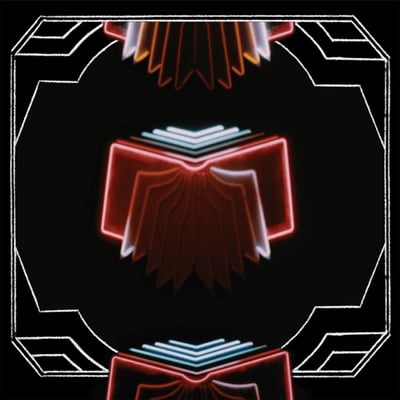
Arcade Fire Neon Bible
Released Mar 2, 2007 Sony Music CG
Established consensus 28 professional reviews Updated Aug 27, 2026
Broadly positive consensus
Arcade Fire's Neon Bible arrives as a darker, more theatrical second statement that trades the ragged intimacy of their debut for organ-driven grandeur and apocalyptic mood.
How ChoruScore worksCritics' Top Tracks
The songs critics returned to most
Intervention
10 critic mentions
“Intervention, driven in by a smattering of organs, could also have been lifted straight from Funeral” — The Skinny
Black Mirror
10 critic mentions
“troubled though they might be by the threat of Armageddon ('Mirror, mirror on the wall, show me where their bombs will fall,' runs the slow-burning opener 'Black Mirror')” — The Guardian
Keep the Car Running
9 critic mentions
“the controlled forward thrust of songs like "Black Mirror", "Keep the Car Running", or "The Well and the Lighthouse” — Pitchfork
Full critic consensus
Arcade Fire's Neon Bible arrives as a darker, more theatrical second statement that trades the ragged intimacy of their debut for organ-driven grandeur and apocalyptic mood. Across 28 professional reviews, the critical consensus (an 83.43/100 score) treats the record as an ambitious, occasionally flinty collection where paranoia, religious critique and triumphant gloom coexist.
Critics consistently point to a cluster of standout tracks as proof of the album's power. “Intervention” is repeatedly cited for its pipe-organ climax and crushing payoff, while “Black Mirror” opens with a menacing atmosphere that sets Neon Bible's tone. Reviewers also praise “Keep the Car Running”, “No Cars Go” and “Ocean of Noise” for marrying catchy hooks to expansive arrangements; searches for the best songs on Neon Bible often return these titles. Professional reviews highlight recurring themes - church and ritual motifs, political anxiety, theatrical orchestration and a sense of escape or resistance - and credit the band with turning those motifs into epic, often cinematic rock.
Nuance tempers the praise. Some critics admire the album's sonic ambition but question whether its theatricality sometimes overwhelms immediacy, describing moments that thrill in isolated bursts rather than sustained unity. Others celebrate Neon Bible as a richer, more ambitious follow-up to Funeral, one that deepens Arcade Fire's art-rock aims even as it courts darker moods. For readers wondering what critics say about Neon Bible and whether it is worth listening to, the consensus suggests a mostly positive, high-stakes record whose best songs reward repeated plays and reveal the album's dramatic core.
Below follow individual reviews that unpack the album's triumphs and tensions in greater detail.
Track Ratings
How critics rated each track, relative to this album (0-100). Only tracks that made critics feel something are rated.
Black Mirror
Keep the Car Running
Neon Bible
Intervention
Black Wave/Bad Vibrations
Ocean of Noise
The Well and the Lighthouse
(Antichrist Television Blues)
Windowsill
No Cars Go
My Body Is a Cage
Get the next albums worth your time.
Critic-backed picks in one clean digest. No clutter.
What Critics Are Saying
Deep insights from 28 critics who reviewed this album

Critic's Take
Arcade Fire's Neon Bible often favours atmosphere over instant hooks, so the best tracks are the ones that slowly reveal themselves - notably “Black Mirror” and “My Body Is A Cage”. The reviewer's eye lingers on “Black Mirror” as an ominous grower that introduces a darker, more atmospheric sound, while “My Body Is A Cage” is praised as perhaps the overall highlight, a haunting, panoramic finish. The reworking of “No Cars Go” is noted but judged a detraction, making it a point of interest rather than a top pick. Overall the best songs on Neon Bible are those that trade immediacy for grandeur and mood, which the album delivers in spades.
Key Points
-
My Body Is a Cage is the album highlight due to its haunting, grandiose finish.
-
The album's core strengths are atmosphere and mood, trading immediacy for panoramic, organ-driven songs.
Themes

Critic's Take
Arcade Fire sound grander and darker on Neon Bible, and the review points to the best songs as emphatic proof. The critic singles out “Ocean of Noise” as magical, praises “Intervention” for its simmering, church-baiting power, and hails “Black Wave/Bad Vibrations” for its earth-cracking finale. While not as wildly eccentric as Funeral, these best tracks on Neon Bible demonstrate why the band remain the greatest art-rock group since Talking Heads, in the reviewer's emphatic voice.
Key Points
-
The reviewer calls “Ocean of Noise” magical, making it the album's standout due to its evocative power.
-
Neon Bible's core strengths are its dark, apocalyptic themes and grand art-rock ambition, delivered with cinematic instrumentation.
Themes

Q
Gi

Ho
Critic's Take
Arcade Fire's Neon Bible reads like a state-of-the-nation manifesto, and the best songs - notably “Black Mirror” and “Keep the Car Running” - announce the album's scope with brio. Carberry's prose savours the Velvets-like opener “Black Mirror” as an obligatory and perfect beginning, while he hails “Keep the Car Running” as a barnstorming single that blends rock'n'roll lineage. He also praises “Ocean of Noise” for starting beautifully and erupting gloriously, which cements these as the best tracks on Neon Bible. The tone is admiring and emphatic, convinced this is a contender for record of the year.
Key Points
-
The best song feels like the opener “Black Mirror”, which functions perfectly as an opening statement.
-
The album's core strengths are its dramatic, richly textured soundscapes and songs that merge classic rock lineage with urgent, apocalyptic themes.
Themes
En
mu

Critic's Take
Arcade Fire sound enormous and urgent on Neon Bible, and the best songs - especially “Black Mirror” and “My Body Is a Cage” - are the record's emotional apexes, piling on orchestral tide and bleak-yet-redemptive drama. Beaumont writes like a relish of catastrophe and celebration, praising the triumphant rush of “Keep the Car Running” as a survival dance after the opening tempest. He frames “Ocean of Noise” and “(Antichrist Television Blues)” as politically charged vignettes that expand the band's mournful remit into global grief. The result reads as an Important Record, a dark, majestic sequence of standouts that answer the question of the best tracks on Neon Bible with bombast and heart.
Key Points
-
The best song is "Black Mirror" because of its overwhelming orchestral tide and emotional wreckage.
-
The album's core strengths are its apocalyptic themes, political urgency, and dramatic, live-show energy.
Themes
Sp

Pr

Critic's Take
Arcade Fire's Neon Bible often finds its clearest moments in the record's more forceful tracks, where tension is patiently wrung into catharsis. The best tracks on Neon Bible are rooted in that slow-burn intensity - “Black Mirror” sets the ominous template and “No Cars Go” supplies the release the album otherwise withholds. Songs like “Keep the Car Running” and “The Well and the Lighthouse” sustain a nervous forward motion that rewards repeated listens. Even when Butler's lyrics clunk, the music's propulsion rescues and magnifies them, which is why these songs stand out as the album's high points.
Key Points
-
The best song is best because it establishes the album's ominous template and sustained tension.
-
The album's core strengths are its controlled forward motion, layered instrumentation, and moments of cathartic release.
Themes
Re
Critic's Take
Arcade Fire continue to build unfashionable epics on Neon Bible, and the best songs on Neon Bible are immediately clear: opener “Black Mirror” throbs with undulating menace, while “Intervention” is crushingly brilliant with a giant church organ in tow. The title track “Neon Bible” provides wary respite and lyrical jolts that underline the album’s themes of religion and fear. The reviewer’s voice celebrates a deftly created work that smelts brash originality from its influences, so readers searching for the best tracks on Neon Bible will find these standouts representative of the record’s dramatic arc.
Key Points
-
Black Mirror is best because it immediately establishes the album’s ominous tone with a throbbing opener.
-
The album’s core strengths are its church-organ grandeur, fear-and-religion themes, and deftly smelted originality.
Themes
Dr
Critic's Take
Arcade Fire never quite abandon their mournful grandeur on Neon Bible, and the review points to the best tracks as proof - “Black Wave/Bad Vibrations” emerges as a magnificent twin-part centerpiece, stacked in glorious layers, while “No Cars Go” recalls their effervescent peaks. The reviewer’s language is steeped in dramatic melancholy, praising sumptuous arrangements and restrained emotion, and singling out “The Well And The Lighthouse” and “(Antichrist Television Blues)” for their showtune sweep and Springsteen-tinged take. Overall the best songs on Neon Bible are those that balance theatrical flourishes with aching sentiment, even as the album resists the absolute unity of Funeral.
Key Points
-
The twin-part 'Black Wave/Bad Vibrations' is the album's towering standout for its layered magnificence.
-
Neon Bible's strengths are sumptuous, theatrical arrangements and melancholy songwriting, balanced by moments of restraint.
Themes

Critic's Take
Arcade Fire return with Neon Bible, a record where menace and melody sit side by side, and the best tracks - “Black Mirror” and “Keep the Car Running” - showcase that tug. The reviewer revels in the menacing chorus of “Black Mirror”, and praises the bubbly, bright, folksy opening of “Keep the Car Running” that keeps the band’s knack for a good tune alive. There is also weight given to the album’s centrepiece pairing, “Intervention” and “My Body Is a Cage”, which the review calls overpowering and glorious. Overall the voice is admiring, keen to point out immediacy, atmosphere and sweeping strings as the reasons these are the best tracks on Neon Bible.
Key Points
-
The best song(s) blend menace and catchy hooks, exemplified by 'Black Mirror' and 'Keep the Car Running'.
-
The album's core strengths are theatrical drama, rich strings, atmospherics, and immediate, memorable melodies.
Themes
Critic's Take
Arcade Fire's Neon Bible is a thrilling enigma, its best songs pairing apocalyptic lyrics with uplifting music. “Intervention” emerges as the album's centerpiece, opening with a pipe organ and building into an utterly glorious climax that epitomises the record's triumphant gloom. At the same time, “Windowsill” and “My Body Is a Cage” supply striking moments of theme and drama, the former fingering modern anxieties and the latter nearly overdoing the church organ but still haunting. These are the tracks most likely to be cited in searches for the best songs on Neon Bible, because they best demonstrate the album's blend of dread and ecstatic sound.
Key Points
-
Intervention is the best song because its pipe-organ opening and glorious climax crystallise the album's triumphant gloom.
-
The album's core strengths are its thematic apocalyptic dread set against uplifting, epic arrangements that make darkness sound dazzling.
Themes

Critic's Take
Arcade Fire arrive on Neon Bible bruised and grand, the best songs - “Keep the Car Running” and “No Cars Go” - landing like triumphant, singable streaks of defiance amid the album's brooding theater. The reviewer's tone, alternately admiring and wary, praises how “Keep the Car Running” updates a working-class stomp while the orchestral remake of “No Cars Go” becomes the record's most rousing moment. Mid-album pieces like “Intervention” and “My Body Is a Cage” deepen the dystopian fervor, turning solemn passages into ferocious payoff. Overall, the best tracks on Neon Bible are those that balance sweeping arrangements with anthemic immediacy, the moments that make the album both decadent and gripping.
Key Points
-
The best song is a tie between “Keep the Car Running” and “No Cars Go” for their anthemic immediacy and orchestral triumph.
-
The album's core strengths are its theatrical arrangements, dystopian mood, and ambitious progressive song structures.
Themes

Co

Critic's Take
Arcade Fire’s Neon Bible often thrills in isolated bursts, and the best songs on Neon Bible - notably “Keep the Car Running” and “No Cars Go” - trade on an impulse to escape that the rest of the record rarely matches. Jonathan Keefe’s tone is measured and comparative, praising the album’s expanded sonics while insisting those moments of inspiration never fully pay off. He lavishes attention on the pipe-organ grandeur of “Intervention” and the reinvented anthemic sweep of “No Cars Go”, yet he returns again to how the lyrics make the record feel thematically thin. The result is a record that is frequently uplifting in sound but short on the payoff its ambition promises.
Key Points
-
The best song is best because it reimagines an older track as an anthemic, dramatic centerpiece.
-
The album's core strengths are expansive, uplifting arrangements and moments of orchestral grandeur.
Themes

Critic's Take
Arcade Fire never sounded smaller than on Neon Bible, yet the best tracks still cut through that cavernous reverb. David Fricke frames “No Cars Go” as the album's next-to-last key, praising its infectious melody and refugee-choir climax. He celebrates the sprint of “Keep the Car Running” and the delirium of “(Antichrist Television Blues),” noting how these moments reveal Neon Bible's stubborn faith in escape and its most potent effects.
Key Points
-
No Cars Go is the album's emotional and sonic centerpiece because its arrangement turns a simple melody into atomic melodrama.
-
Neon Bible's core strengths are its gothic grandeur and moments where driving, urgent songs cut through overwhelming reverb.
Themes

Ti
Ti
