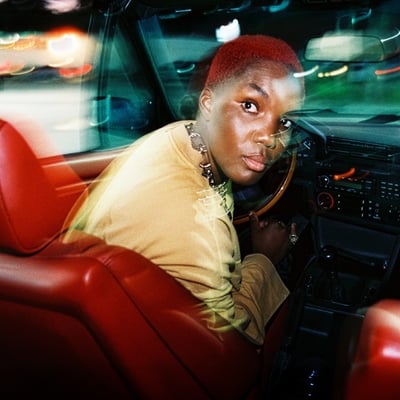
Arlo Parks Ambiguous Desire
Released Apr 3, 2026 Transgressive
Established consensus 17 professional reviews Updated Apr 3, 2026
Broadly positive consensus
Arlo Parks's Ambiguous Desire pivots bedroom confession toward the dance floor, translating yearning and nocturnal intimacy into a subdued, late-night club soundtrack that critics largely applaud.
How ChoruScore worksCritics' Top Tracks
The songs critics returned to most
Get Go
10 critic mentions
“The trancey hooks of singles "2SIDED" and "Get Go" lift the body into soothing, repetitive motion.” — The Independent (UK)
Senses (feat. Sampha)
8 critic mentions
“Parks declares in the chorus, “And now I’m here / Feeling super bad about it / Trying to find the courage” — PopMatters
Heaven
7 critic mentions
“Heaven’ draws both its lyrical and sonic cues from an early morning DJ set” — DIY Magazine
Full critic consensus
Arlo Parks's Ambiguous Desire pivots bedroom confession toward the dance floor, translating yearning and nocturnal intimacy into a subdued, late-night club soundtrack that critics largely applaud. Across 17 professional reviews the record earned a 75.65/100 consensus score, and reviewers consistently point to tracks that balance emotive lyricism with pulsing beats.
Critics agree the album's best songs reveal that alchemy: “Get Go” frequently emerges as a hands-in-the-air highlight, while “Senses (feat. Sampha)” is celebrated for its soulful cameo and lyrical clarity. “Heaven” and “Blue Disco” earn repeated praise for marrying glistening piano and slithering bass to Parks' intimate vocal delivery, and tracks like “2SIDED” and “Nightswimming” are cited for their urgent hooks and morning-after melancholy. Professional reviews note recurring themes of yearning, club culture imagery, queer liberation, and a tension between melancholy and euphoria - an atmosphere that casts the album as an introvert-at-the-club record where vulnerability coexists with communal abandon.
Not all critics are unanimous: some reviews praise the mellow production and atmospheric cohesion, calling it Parks at her most confident, while others find moments of comfortable repetition and wish for sharper, longer-lasting hooks. That tension explains the middling-to-strong consensus score: Ambiguous Desire rewards patience and close listening even as it trades some immediate pop payoff for mood and texture. For readers searching for an Ambiguous Desire review or wondering what the best songs on Ambiguous Desire are, the consensus points to “Get Go”, “Senses (feat. Sampha)”, “Heaven” and “Blue Disco” as the record's standout moments. Below, detailed reviews unpack how Parks reshapes dance-pop without losing her intimate core.
Track Ratings
How critics rated each track, relative to this album (0-100). Only tracks that made critics feel something are rated.
Blue Disco
Jetta
Get Go
Senses (feat. Sampha)
Heaven
Beams
South Seconds
Nightswimming
2SIDED
Luck Of Life
What If I Say It?
Floette
Get the next albums worth your time.
Critic-backed picks in one clean digest. No clutter.
What Critics Are Saying
Deep insights from 17 critics who reviewed this album

Critic's Take
Arlo Parks leans into nocturnal club life on Ambiguous Desire, and the best songs - namely “2SIDED” and “Get Go” - stake out the record's emotional centre with vivid storytelling and dancefloor propulsion. Gemma Cockrell's prose lingers on detail, so that opener “Blue Disco” feels lived-in rather than stylised, while “Beams” complicates desire with the blunt admission, "I know it’s not the way to treat people you love." The running tension between euphoria and comedown is where the album's strongest tracks sit, drawing you into late-night scenes and then leaving you with quiet ache. This is Parks at her most confident and assured, songs calibrated for both the club and introspection, which answers the question of the best tracks on Ambiguous Desire with intimacy and momentum.
Key Points
-
The best song, “2SIDED”, pairs immediate, upbeat production with yearning lyricism that anchors the record.
-
The album's core strength is its balance of club-rooted energy and vulnerable, poetic storytelling.
Themes
Ho
Critic's Take
Arlo Parks sounds more wilful and more vulnerable on Ambiguous Desire, and the best tracks show that balance plainly. The opening “Blue Disco” sets the tone with propulsive grooves that invite dancing while hinting at sexuality, and “2SIDED” furnishes one of Parks' sharper turns of phrase. Atmosphere rules across the record, thanks to Baird's hypnotic percussion and little riffs, which means the best songs on Ambiguous Desire are those that marry dancefloor immediacy with intimate lyricism. This is, plainly, Parks at her most confident and alive.
Key Points
-
The best song, “Blue Disco”, pairs propulsive grooves with a heady sexual undercurrent making it a standout opener.
-
The album's core strength is atmosphere - hypnotic production and intimate lyricism that foregrounds dance and desire.
Themes

Critic's Take
Arlo Parks’s Ambiguous Desire strides from introspection into the club, and the best songs show that shift in feeling and sound. Opener “Blue Disco” soothes as a transitional doorway, while “Jetta” and “Nightswimming” emerge as the best tracks on Ambiguous Desire, the former breaking with expectation and the latter delivering those heavenly piano chords. The Sampha cameo on “Senses (feat. Sampha)” feels like a masterstroke, mirroring Parks’ intimacy, and closer “Floette” leaves the record crisply resolved. This is a work that wants to move your body and your soul, and these standout tracks make that intention feel earned.
Key Points
-
Nightswimming is the best song for its powerful piano chords and heavenly impact.
-
The album’s core strength is its successful shift from intimate songwriting to club-ready, emotionally charged production.
Themes

Critic's Take
In her third record Ambiguous Desire, Arlo Parks turns inward longing into club-ready balm, and the best songs on the album - “Get Go” and “2SIDED” - are where that alchemy is clearest. Parks’ voice glides over trancey hooks and murky bass, so “Get Go” feels like a gentle shove into motion, while “2SIDED” soothes with repetitive, comforting grooves. The result is a set of best tracks on Ambiguous Desire that trade confrontation for intimacy on the dancefloor.
Key Points
-
Get Go is the best track for its trancey hooks that propel the body into soothing motion.
-
The album’s core strength is marrying fragile, introspective lyrics with club rhythms and vivid nightlife imagery.
Themes
Th
Critic's Take
I find Arlo Parks's Ambiguous Desire rooted in a restrained, mellow production palette that rewards patience and attention rather than immediate hooks.
Key Points
-
No individual tracks are named, so the best songs are described generally as the album's subtler, intimate moments.
-
The album's core strength is its restrained, mellow production and retro chillwave-informed palette.
Themes
Ro
Critic's Take
Arlo Parks leans into clubland on Ambiguous Desire, and the best tracks on Ambiguous Desire — notably “Blue Disco” and “Senses (feat. Sampha)” — show why the shift works. The opener “Blue Disco” and following “Jetta” and “Get Go” stake out a sweaty, forget-your-problems dance floor where Parks can briefly be free, while “Senses (feat. Sampha)” brings the album’s emotional clarity. Elsewhere, moments like “Heaven” and “Beams” prove Parks can be both pulsating and poppy, and closing lines on “Floette” offer the sense of growth that ties the record together.
Key Points
-
The best song is “Senses (feat. Sampha)” because it crystallises the album's emotional clarity and guilt-driven theme.
-
The album's core strength is its successful shift to club-inflected electronic production while retaining Parks's intimate introspection.
Themes

Critic's Take
The best songs on Ambiguous Desire reveal Arlo Parks at her most affecting and immersive. Arlo Parks delivers euphoric release on “Get Go”, a punchy but shimmery single that conjures dancing and spinning freely. She pares things back with the intimate, ocean-eve hush of “South Seconds”, which exposes a rawer emotional core. And “Nightswimming” threads those moods together with an expansive, devotional chorus that cements it among the best tracks on Ambiguous Desire.
Key Points
-
Get Go is the album’s standout for its euphoric, dance-inducing energy.
-
The album’s core strengths are vulnerability, dreamlike sonic textures, and intimate vocal expression.
Themes

Critic's Take
Arlo Parks leans into joyous reinvention across Ambiguous Desire, and the best songs on the record prove why that leap works. The breezy, hands-in-the-air chorus of “Get Go” is a clear high point, its lift captured in Parks' breathy delivery and clattering breakbeats. Likewise, “Nightswimming” charms with a fluttering shuffle and dry, syncopated hook that tessellates perfectly with the production. Even the lead single “2SIDED” underscores Parks' new dancefloor-minded confidence, making these the best tracks on Ambiguous Desire for listeners seeking both feeling and movement.
Key Points
-
The best song, "Get Go", stands out for its breezy, hands-in-the-air chorus that captures joyful reinvention.
Themes
Re

Critic's Take
Arlo Parks leans into club textures on Ambiguous Desire, and the best songs here - “Jetta” and “Heaven” - show how her intimate lyricism translates to dancefloor motion. Aimee Cliff’s voice notices how “Jetta” moves from a hazy morning-after glow into a stomping beat, and how “Heaven” delivers the most satisfying drop, a head-rush of bass and glistening piano. The review frames Ambiguous Desire as subtler than full-on club euphoria, best appreciated in those highlighted tracks where Parks’ candid moments meet dance music’s tension and release.
Key Points
-
The best song is "Heaven" for its muscular drop and head-rush of bass that epitomizes the album's dance-pop translation.
-
The album’s core strengths are intimate, poetic lyrics matched to studied dancefloor production and vivid nightlife vignettes.
Themes

Critic's Take
Arlo Parks leans into club sounds on Ambiguous Desire, and the best tracks - “Get Go” and “Senses (feat. Sampha)” - show her experimenting with garage beats and tender harmonies. Parks' writing still clings to intimate details and poetic images, but production often swells so the hooks feel secondary. The woozy vulnerability of “Beams” and the nervy immediacy of “2SIDED” prove she can marry dance textures to personal lyricism. Overall the album's bold production is impressive, even if the songs sometimes lack the lasting impact of her earlier work.
Key Points
-
Get Go is the best track for its club-infused beats and vivid late-night imagery.
-
The album's core strength is bold, daring production that places Parks' intimate lyrics in a club context.
Themes
Fa
Critic's Take
In her warm, attentive voice Lucy Harbron notes that Arlo Parks has traded the bedroom for the dance floor on Ambiguous Desire, and the best songs - particularly “2SIDED” and “Senses (feat. Sampha)” - make that invitation feel urgent and communal. Harbron writes with an observant, slightly polemical cadence, insisting that tracks like “2SIDED” are “beat heavy and thumping” while “Senses (feat. Sampha)” acts as a standout moment of soulful collaboration. The review keeps Parks’ poetic intimacy intact even as it applauds her new club-leaning sonics, arguing these best tracks answer the question of how we dance together. The narrative frames the album as a call to the dance floor that still allows for reflective pauses and smoky corners, balancing movement with depth.
Key Points
-
The best song is “Senses (feat. Sampha)” because the reviewer labels it the standout and praises its soulful collaboration.
-
The album’s core strength is marrying Parks’ intimate lyricism with club-ready, community-minded production anchored in London radio and breakbeat influences.
Themes
No
Critic's Take
In a tasteful shift toward club-leaning production, Arlo Parks positions Ambiguous Desire as an ’introvert-at-the-club’ record that still leans on quiet revelation. Parks’ strongest moments, like “Heaven” and “2SIDED”, cut through with more urgent hooks and visceral songwriting, while bouncier tracks such as “Get Go” and “Jetta” add momentum. The album’s nocturnal cohesion is often rewarding, yet Parks’ muted delivery makes much of the runtime pleasantly enjoyable rather than revelatory. Overall, these best songs on Ambiguous Desire show her nimble control of mood even when the record drifts into similar textures.
Key Points
-
Heaven is the best track for its effervescent standout production and sublime bassy breakdowns.
-
The album’s core strength is its cohesive, nocturnal mood and tasteful club production even when Parks’ vocals stay muted.
Themes

Critic's Take
Arlo Parks makes a convincing turn on Ambiguous Desire, and the best songs on Ambiguous Desire - notably “2SIDED” and “Get Go” - show her gift for marrying dance-pop sonics with tender, interior lyrics. Chris Conaton writes in a measured, observational voice, noting that “2SIDED” pairs grimy verses with a sparkling chorus while “Get Go” lets Parks dance through a night with a new partner. The album’s quieter moments like “Heaven” and “South Seconds” keep the emotional center intact, so the best tracks feel both kinetic and intimately confessional. Overall, the record reads as a low-key, introspective dance-pop success that still sounds unmistakably like Parks.
Key Points
-
“2SIDED” is the standout for its vivid contrast between grimy verses and a sparkling, pleading chorus.
-
Ambiguous Desire succeeds by combining indie dance-pop production with Parks’ intimate, confessional lyricism.
Themes

Critic's Take
Arlo Parks makes mood into a tangible thing on Ambiguous Desire, the kind of record that feels like the sun coming up after a tumultuous night. The best songs on the album - “Blue Disco” and “Heaven” - capture hedonistic nostalgia and a gorgeously floaty, lost-in-music hush, with slithering basslines and soft beats underscoring her whisper-croon. Even quieter moments like “Luck Of Life” turn into sing-along, wistful breakup laments that linger. This is frequently wonderful in a way that roots itself in feeling rather than flashy moves.
Key Points
-
The best song moments are those that turn mood into vivid nostalgia, notably “Blue Disco”.
-
The album’s core strength is intimate, hushed vocal delivery and evocative, dawn-after-nightlife atmosphere.
Themes
St
Critic's Take
Arlo Parks keeps to her soft-focus sensibility on Ambiguous Desire, which yields a few standout moments but too often drifts into comfortable repetition. The review highlights “Senses (feat. Sampha)” for its lyrical clarity and Sampha's enlivening outro, and points to “Heaven” and “Beams” as the album's stronger tracks, though none quite reach a sustaining emotional climax. The critic's calm, measured tone notes that these best songs are pleasant and finely crafted, yet they rarely push the record beyond polite background ambience. Ultimately the best tracks on Ambiguous Desire are praised for lyricism and delicate arrangements, even as the album overall is faulted for playing it safe.
Key Points
-
“Senses (feat. Sampha)” is best for its candid lyricism and Sampha’s enlivening outro.
-
The album’s core strengths are Parks’s warm voice and perceptive songwriting, but restrained production leads to complacency.