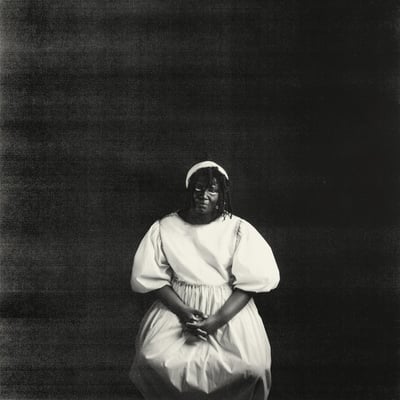
Backxwash Only Dust Remains
Released Mar 28, 2025 Ugly Hag Records
Established consensus 7 professional reviews Updated Dec 9, 2025
Broadly positive consensus
Backxwash's Only Dust Remains arrives as a bruising, vividly spiritual chapter that threads faith and doubt through blows of industrial fury and gospel-tinged release.
How ChoruScore worksCritics' Top Tracks
The songs critics returned to most
Black Lazarus
7 critic mentions
“Known for her Polaris Prize-winning God Has Nothing to Do with This Leave Him Out of It, Backxwash previously paired intense instrumentals with a searing vocal presence.” — Consequence
Wake Up
5 critic mentions
“Gospel returns in the later section of the impressive ‘Wake Up’, the longest and most complex thing she’s done so far.” — The Quietus
Only Dust Remains
6 critic mentions
“Raking through the ashes of that inferno, Only Dust Remains finds Backxwash taking a breath and settling into the aftermath.” — The Quietus
Full critic consensus
Backxwash's Only Dust Remains arrives as a bruising, vividly spiritual chapter that threads faith and doubt through blows of industrial fury and gospel-tinged release. Across seven professional reviews, critics identify an emotional arc from damnation to fragile redemption, and the record's narrative power is often concentrated in a handful of standout songs that define its shape.
Critics consistently praise “Black Lazarus” and “Wake Up” as the album's clearest high points: “Black Lazarus” is called an unbearably direct opener and reverent procession that announces themes of death and resurrection, while “Wake Up” earns notice as a seven-minute, maelstrom centerpiece and lyrical tour de force. Reviewers also flag the title track “Only Dust Remains” and “9th Heaven” for their gospel-tinged refrains and melodic shifts, with mentions of “History Of Violence” and “Undesirable” rounding out the record's emotional range. The critical consensus, reflected in an 83.86/100 average across seven professional reviews, emphasizes Backxwash's experimentation - pairing heavy sonic darkness, primal chants, and pop-goth orchestration with frank explorations of queerness, trauma, colonial legacies, suicidal ideation, and the possibility of forgiveness.
While many reviewers celebrate the album as a daring sonic reinvention that balances rage and catharsis, some note moments of exhaustion or restraint that temper its fury. Taken together, the reviews portray Only Dust Remains as a culturally urgent, artistically bold work that pushes Mutinta's voice into new registers; for those asking "is Only Dust Remains good," the critical consensus suggests it is a must-listen for its standout tracks and emotionally charged experimentation. Below, the full reviews unpack how these best songs and recurring themes shape the record's uneasy hope.
Track Ratings
How critics rated each track, relative to this album (0-100). Only tracks that made critics feel something are rated.
Black Lazarus
Wake Up
Undesirable
9th Gate
9th Heaven
Dissociation
History Of Violence
Stairway To Heaven
Love After Death
Only Dust Remains
Get the next albums worth your time.
Critic-backed picks in one clean digest. No clutter.
What Critics Are Saying
Deep insights from 7 critics who reviewed this album

Critic's Take
In Matt Mitchell's urgent voice, Backxwash's Only Dust Remains names its best tracks with a blunt ferocity: the seven-minute maelstrom “Wake Up” and the shapeshifting centerpiece “9th Heaven” stand tallest, wrenching trauma into catharsis. Mitchell frames “9th Heaven” as almost museum-like in its craft and calls “Wake Up” a terrifying overture where the repeated shout becomes an instrument - both tracks encapsulate why listeners ask "what are the best songs on Only Dust Remains?" Here the album's usable brutality and fragile gospel moments make these songs the clearest triumphs.
Key Points
-
“Wake Up” is best for its relentless seven-minute build that transforms trauma into a cathartic crescendo.
-
The album’s core strengths are fierce emotional candor, political urgency, and ambitious genre-blending production.
Themes

Critic's Take
In Consequence’s roundup, Backxwash is presented as stepping into a new chapter with Only Dust Remains, where pared-back production lets Mutinta’s voice carry raw emotional weight. The review highlights songs like “Only Dust Remains” and “Love After Death” as exemplars of the album’s exploration of faith, loss, identity, and queerness. The tone is admiring yet measured, calling the record a stark and deeply arresting addition to her discography that embraces darkness with vulnerability while still finding light. For listeners searching for the best tracks on Only Dust Remains, the reviewer points toward the album’s intimate moments as its strongest material.
Key Points
-
The title track is best because the reviewer emphasizes the stripped-back production and emotional weight of Mutinta’s voice on the record.
-
The album’s core strengths are vulnerability, thematic focus on faith and identity, and a stark, arresting tonal shift from prior dense production.
Themes

Critic's Take
In Jared Dix's measured register, Backxwash's Only Dust Remains foregrounds a handful of best tracks that carry the album's uneasy hope - notably “Black Lazarus” and “Wake Up”. Dix frames “Black Lazarus” as a reverent procession that sets up the death-and-resurrection themes, while “Wake Up” is praised as the longest, most complex piece and a standout. He also singles out “9th Heaven” as a belter with a sweet drum-and-bass switch, and notes that “DISSOCIATION” offers a buoyant loop and a consoling outro chorus. The narrative concludes that the record balances lighter, melodic production with Backxwash's raw emotional punch, making these songs the best tracks on Only Dust Remains for listeners seeking both sorrow and slivers of hope.
Key Points
-
The best song, “Wake Up”, earns its place through length, structural complexity and gospel-inflected grandeur.
-
The album's core strengths are its balance of lighter, melodic production with raw emotional intensity and religiously inflected themes.
Themes
Ke
Critic's Take
Backxwash confronts mortality and identity across Only Dust Remains, and the opening “Black Lazarus” is the record's clearest statement of intent, unbearably direct and devastating. Mischa Pearlman writes with the same measured astonishment that colours the full review, noting how “Black Lazarus” invokes George Michael and Michael Jackson while sounding like Frank Ocean at the gates. That grim, theatrical tone makes “Black Lazarus” an immediate best track, and it sets expectations for the album's uncompromising darkness and emotional breadth. The review's voice prizes specificity and moral scope, so readers searching for the best songs on Only Dust Remains will find “Black Lazarus” foregrounded as the essential listen.
Key Points
-
The best song is “Black Lazarus” because it is the album's unflinching, theatrical centerpiece that frames the record's themes.
-
The album's core strengths are its moral scope, dark theatricality, and direct engagement with identity and trauma.
Themes

Critic's Take
Backxwash's Only Dust Remains finds Mutinta slightly exhausted and still incendiary, and the best songs - notably “Black Lazarus” and “Wake Up” - show her tradecraft at full force, balancing fury with newfound restraint. The reviewer's sentences tilt between brisk appraisal and lyrical metaphor, noting how “Black Lazarus” opens with a catchy vocal palimpsest and how “Wake Up” puts her fury on unbridled display, making them the album's clearest highlights. Other tracks like “Undesirable” and “History Of Violence” broaden the record's emotional range, steering Mutinta toward pop-goth and orchestral textures that suggest reinvention. Overall the critic frames Only Dust Remains as a coda to a trilogy, a between project that inches her toward new possibilities without abandoning the rage that defines her work.
Key Points
-
“Wake Up” and “Black Lazarus” are the best songs because they pair Mutinta’s vocal fluidity and urgent fury with catchy, cinematic production.
-
The album’s core strengths are its lyrical rage, thematic focus on trauma and dissociation, and cautious sonic reinvention toward pop-goth and orchestral textures.
Themes
Th
Critic's Take
Hi, everyone. Onthony Uptano here, and on Only Dust Remains Backxwash keeps the darkness but lets light in, with songs like “Black Lazarus” and “Only Dust Remains” serving as the record’s emotional peaks. The reviewer's voice marvels at production shifts - from primal looped chants on “Black Lazarus” to the big harmonious refrains on the closer “Only Dust Remains” - arguing these are the best songs on Only Dust Remains because they chart her evolution from grim to unexpectedly hopeful. It is this chameleon-like progression and those layered, grandiose instrumentals that make the best tracks on Only Dust Remains stand out.
Key Points
-
The best song is the closer "Only Dust Remains" because its bright, harmonious refrains complete the emotional arc and provide unexpected hope.
-
The album’s core strengths are bold production shifts and emotional progression from darkness to warmth, showcasing Backxwash’s evolution.
Themes

Critic's Take
Backxwash makes a case that the best songs on Only Dust Remains are those that marry mercurial fury with aching beauty - notably “Black Lazarus” and “Wake Up”. The reviewer's voice revels in the album's ability to be both a soundtrack in apocalypse and a modern hip-hop masterpiece, praising “Black Lazarus” as a layered, throat-catching opener and calling “Wake Up” a seven-verse lyrical masterclass. There is also high regard for “9th Heaven” and “Only Dust Remains” as redemptive, gospel-tinged closers that give the record its emotional arc. The writing keeps an observant, authoritative tone, insisting these best tracks prove the album is world-class and culturally urgent.
Key Points
-
The album's core strengths are its fusion of gospel and rock samples with fierce personal testimony, creating urgent, world-class modern hip-hop.