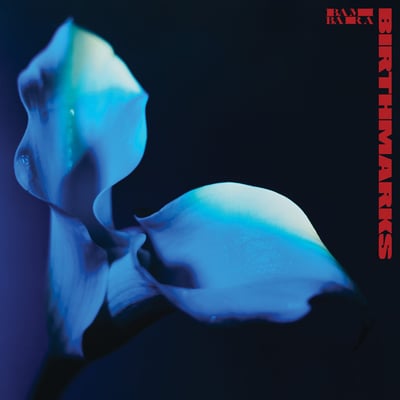
Bambara Birthmarks
Released Mar 14, 2025 Wharf Cat Records
Established consensus 7 professional reviews Updated Dec 10, 2025
Mostly positive consensus
Bambara's Birthmarks unfolds as a cinematic, noir-inflected record that leans into storytelling and atmosphere more than brute riffing, and critics largely agree it succeeds on its strongest moments.
How ChoruScore worksCritics' Top Tracks
The songs critics returned to most
Face Of Love
6 critic mentions
“As hypnotic as, of all unlikely touchstones, Robbie Robertson’s sultry ‘Somewhere Down The Crazy River” — The Quietus
Elena's Dream
6 critic mentions
“Elena’s Dream” feels pulled from a band like Bohren & der Club of Gore in its dark, ethereal jazziness” — Everything is Noise
Dive Shrine
5 critic mentions
“a song like “Dive Shrine” introduces an electric pulse I’m not sure I’ve heard from the band yet” — Everything is Noise
Full critic consensus
Bambara's Birthmarks unfolds as a cinematic, noir-inflected record that leans into storytelling and atmosphere more than brute riffing, and critics largely agree it succeeds on its strongest moments. Across seven professional reviews the collection earned a 71.57/100 consensus score, with reviewers repeatedly pointing to character-driven songs such as “Face Of Love”, “Elena's Dream” and “Hiss” as the album's most vivid achievements. Those tracks crystallize the band's Southern Gothic and David Lynch influences, pairing brooding baritone narration with shadowy production and occasional electronica flourishes.
The critical consensus highlights recurring themes of noir atmosphere, instrumental experimentation and melancholic menace. Reviewers from The Quietus and Everything is Noise praise “Face Of Love” for its hypnotic chorus and guest vocal textures, while Far Out Magazine and DIY flag “Elena's Dream” and “6” for their patient, eerie construction. Across reviews critics consistently note cinematic post-punk arrangements, moments of stylistic disjunction where mid-tempo punk undercuts momentum, and narrative lore that rewards close listening. Standout songs cited most often - “Face Of Love”, “Elena's Dream” and “Dive Shrine” - emerge as the best songs on Birthmarks for blending storytelling with palpable mood.
Perspectives diverge on cohesion: some reviewers celebrate a confident, accessible leap toward darker trip-hop atmospherics, while others find uneven pacing and occasional payoff shortfalls in tracks like “Holy Bones”. Taken together, the reviews suggest Birthmarks is worth hearing for its haunting characters, noir storytelling and standout singles, even if its ambitions occasionally outpace its consistency. Below, the full reviews unpack why critics name particular tracks as the record's high points and how those moments define the album's place in Bambara's evolving catalog.
Track Ratings
How critics rated each track, relative to this album (0-100). Only tracks that made critics feel something are rated.
Hiss
Letters From Sing Sing
Face Of Love
Pray To Me
Holy Bones
Elena's Dream
Because You Asked
Dive Shrine
Smoke
Loretta
Get the next albums worth your time.
Critic-backed picks in one clean digest. No clutter.
What Critics Are Saying
Deep insights from 7 critics who reviewed this album

Critic's Take
Bambara have finally delivered on their promise with Birthmarks, a record that realizes the cinematic impulses first hinted at on Stray. The review singles out “Pray To Me” as the logical first single, while championing “Letters From Sing Sing” and “Dive Shrine” for exploring classic post-punk textures. Tracks like “Face of Love” and “Holy Bones” are praised for their cinematic flourishes and unexpected guest vocals, which help make the best songs on Birthmarks feel both evocative and distinct. Overall, the best tracks on Birthmarks combine darkness, sharp bass lines, and atmospheric arrangements to reaffirm Bambara's strengths rather than reinvent them.
Key Points
-
The best song(s) pair cinematic instrumentation with post-punk urgency, exemplified by "Pray To Me" and "Letters From Sing Sing".
-
The album's core strength is its cinematic reinvention of post-punk, blending darkness, sharp bass lines, and atmospheric arrangements.
Themes

Critic's Take
Bambara's Birthmarks finds its best moments in story-driven songs like “Face Of Love” and “Elena's Dream”, where atmosphere is favoured over riff and the Southern Gothic unease really pays off. Jonathan Wright's review leans into the album's uncanny clarity - noting that “Face Of Love” is hypnotic and constructed by mood rather than muscular playing, and that “Elena's Dream” lets a recurring character steer the narrative. He also highlights the melodic insistence of “Because You Asked” and the twisted, radio-ready close of “Loretta”, making clear which tracks are the best on Birthmarks. The tone is admiring but measured, suggesting these are the best tracks because they balance commercial sheen with an underlying eeriness.
Key Points
-
The best song, “Face Of Love”, is best because it prioritises atmosphere and hypnotic narrative over riff-based rock.
-
The album's core strengths are its Southern Gothic storytelling, eerie atmosphere, and a production that balances commercial sheen with menace.
Themes

Fa
Critic's Take
He frames Bambara as a trio that thrives when it luxuriates in patient, instrumental experimentation and baritone narration, with those middle tracks providing the album's most exciting effects. The review also flags unevenness when the band slips into mid-tempo punk—moments that halt momentum rather than build it. Overall, the best songs on Birthmarks are argued to be the ethereal “Elena's Dream” and the melodically confident “Smoke”, which crystallise the record's noir-jazz ambitions.
Key Points
-
The best song is “Elena's Dream” because it is dark, ethereal and hypnotic, showcasing the band's most compelling atmosphere.
-
The album's core strengths are its noir atmosphere, Reid Bateh's baritone narration, and moments of patient instrumental experimentation.
Themes

Critic's Take
He flags “Holy Bones” and “Letters From Sing Sing” as examples where menace and anger lack satisfying payoff, which undercuts the record's cohesion. The review argues that the record rewards listeners who follow its narrative thread, but it can feel confusing and uneven without that context.
Key Points
-
The album's core strengths are its evocative narrative lore and varied sonic palette, though uneven transitions undermine cohesion.
Themes

Critic's Take
Bambara return with Birthmarks, a thrilling, gothic post-punk record where the best songs - “Hiss”, “Letters From Sing Sing” and “Face Of Love” - stake their claim with noir storytelling and sleazy, cinematic production. The review revels in Reid Bateh's Cave-like baritone and bleak lyricism, praising “Hiss” for its seedy motel vision, “Letters From Sing Sing” for its rolling, psych-fuelled drama, and “Face Of Love” for a haunting chorus and guest vocals that amplify the album's mood. Wayne Carey's voice here is animated and exacting, celebrating the band's leap toward accessibility while insisting their eerie atmosphere and dark narratives remain intact. This framing answers directly which are the best tracks on Birthmarks and why they stand out, making clear the album's pull for listeners seeking mood, story and cinematic menace.
Key Points
-
The best song is Hiss for its moody noir opening and Reid Bateh’s Cave-like storytelling.
-
The album’s core strengths are gothic post-punk atmosphere, cinematic storytelling, and inventive electronica textures.
Themes

Critic's Take
Iain Ferguson lingers on the best tracks of Birthmarks with the same moody, Lynchian eye he applies to the album as a whole. He singles out “Face of Love” as a particular favorite, praising its delirious chorus and Madeline Johnston's guest vocal, and pairs that with the noir motel opener “Hiss” and the death-haunted closer “Loretta” as bookends that matter most. Ferguson writes in a measured, descriptive way that emphasizes atmosphere and narrative - he repeatedly returns to how songs like “Holy Bones” and “Elena's Dream” deepen the record's haunting cycles. The result answers the question of the best songs on Birthmarks by pointing to those vivid, character-driven moments where Bambara's new trip-hop atmospherics meet their storytelling strengths.
Key Points
-
“Face of Love” is best for its delirious chorus and guest vocal that crystallize the album's emotive core.
-
The album’s core strength is its moody, narrative-driven atmosphere that renders cycles of violence and loss with cinematic detail.