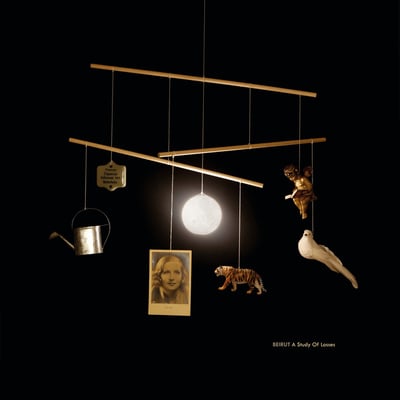
Beirut A Study Of Losses
Released Apr 18, 2025 Pompeii Records
Established consensus 6 professional reviews Updated Oct 1, 2026
Broadly positive consensus
Beirut's A Study Of Losses opens as an elegiac, theatrically textured ledger of absence where nostalgia, lunar imagery and orchestral whimsy meet.
How ChoruScore worksCritics' Top Tracks
The songs critics returned to most
Villa Sacchetti
3 critic mentions
“The standouts are "Villa Sachetti" with its clavier-like finger-strumming over the best of Condon’s mournful lilt” — Under The Radar
Mare Serinitatis
1 critic mention
Mare Crisium
1 critic mention
“the flower-like acoustics of "Mare Crisium" nod to the ballet aspect” — Glide Magazine
Full critic consensus
Beirut's A Study Of Losses opens as an elegiac, theatrically textured ledger of absence where nostalgia, lunar imagery and orchestral whimsy meet. Across six professional reviews the record earns a 75.67/100 consensus score, and critics repeatedly point to a handful of centerpiece pieces that crystallize Zach Condon's uneasy marriage of acoustic tradition and subtle electronic sheen. For those searching for an A Study Of Losses review, tracks such as “Villa Sacchetti”, “Tuanaki Atoll” and the lunar interludes including “Mare Serinitatis” and “Mare Crisium” are frequently cited as the best songs on the record.
Track Ratings
How critics rated each track, relative to this album (0-100). Only tracks that made critics feel something are rated.
Disappearances and Losses
Forest Encyclopedia
Oceanus Procellarum
Villa Sacchetti
Mare Crisium
Garbo's Face
Mare Imbrium
Tuanaki Atoll
Mare Serinitatis
Guericke's Unicorn
Mare Humorum
Sappho's Poems
Ghost Train
Caspian Tiger
Mani's 7 Books
Moon Voyager
Mare Nectaris
Mare Tranquillitatis
Get the next albums worth your time.
Critic-backed picks in one clean digest. No clutter.
What Critics Are Saying
Deep insights from 10 critics who reviewed this album

Ho
Critic's Take
This is quintessentially Beirut, and on A Study Of Losses the best tracks - “Oceanus Procellarum”, “Mare Serinitatis” and “Villa Sacchetti” - reveal the album's strange, elegiac beauty. John Walshe's ear lingers on the stately instrumental “Oceanus Procellarum” and the simply stunning “Mare Serinitatis”, while the gorgeous, bittersweet “Villa Sacchetti” plants the record's emotional flag. The record's oddities - synth hiccups and ululating strings - only sharpen these highlights, making them the best tracks on A Study Of Losses by contrast.
Key Points
-
The best song moments are the lunar instrumentals, especially the simply stunning "Mare Serinitatis".
-
The album's core strengths are its melancholic lyricism and the tension between acoustic warmth and synth textures.
Themes

Critic's Take
Zach Condon’s A Study of Losses feels like a sentimental circus of the heart, equal parts intimate balladry and orchestral sweep. Overall, the album is cast as Beirut’s most ambitious and rewarding project yet, a thoughtful study of longing that still welcomes the listener in.
Key Points
-
Guericke's Unicorn is best for its lo-fi bounce and single-ready charm.
-
The album’s core strengths are its balance of intimate vocal ballads and sweeping instrumental pieces that evoke longing.
Themes

Critic's Take
Beirut's A Study of Losses feels like a strange, fruitful collision of past and present, where tracks such as “Villa Sacchetti” and “Guericke's Unicorn” emerge as the best songs on the album, rousing and addictive in equal measure. Ben Cardew writes with a crisp affection - he notes that some pieces sound like early Beirut while others suggest a new, Tangerine Dream-ish direction, and that split is exactly what makes the best tracks on A Study of Losses stand out. The reviewer praises the effortless songwriting and melodic ease of “Villa Sacchetti” and “Tuanaki Atoll”, and singles out “Mare Nectaris” for its quiet, insistent refrain that crystallizes the album's emotional thrust. Overall, Cardew frames the record as one of Condon's most effortless and surprising works in years, with its best tracks balancing bittersweet hooks and newfound electronic sheen.
Key Points
-
The best song is "Villa Sacchetti" for its rousing brass, waltzing rhythms, and classic Beirut melody.
-
The album's core strengths are effortless songwriting, a blend of early Beirut charm and new electronic textures.
Themes

Critic's Take
The opening instrumental “Disappearances and Losses” and the lunar interludes like “Oceanus Procellarum” frame the album as chapel-like, meditative pieces that let small melodies breathe. Condon's use of church organs, baroque instruments and occasional jaunty beats makes these tracks feel both elegiac and oddly celebratory, which is why listeners searching for the best tracks on A Study Of Losses will be drawn to those standouts. The record is cinematic and intimate in equal measure, offering a soundtrack of vanished things and subtle consolation.
Key Points
-
The album's core strengths are its elegiac instrumentation, thematic cohesion around loss, and cinematic, chapel-like interludes.
Themes

Critic's Take
In his fearless, detailed way Patrick Gill hears the best tracks on A Study of Losses as pieces that both serve the circus stage and stand alone - the plaintive “Garbo's Face” and the strangely poppy “Guericke's Unicorn” best crystallize that tension. Gill writes with quiet authority, noting how the album’s orchestration and elegiac tone make songs like “Caspian Tiger” and “Tuanaki Atoll” into instant Beirut signatures. Read as a whole, the record rewards the listener willing to commit, revealing its strengths in individual movements and in the mournful, classical sweep that carries the best tracks.
Key Points
-
“Garbo’s Face” is the best song because it poignantly dramatizes aging and loss with heartbreaking lyrics and a sympathetic ending.
-
The album’s core strengths are Condon’s orchestration, elegiac tone, and successful blend of theatrical composition with Beirut’s signature textures.
Themes

Critic's Take
Beirut's A Study Of Losses luxuriates in placid tones and textural contrast, the best songs - “Disappearances and Losses”, “Forest Encyclopedia” and “Guericke's Unicorn” - revealing Condon's skill at marrying solemn beauty with jaunty folk. The reviewer revels in the album's expansive soundtrack feel, noting instrumentals that shimmer and mesmerise and vocals that become a gentle choral balm. It's a record that throws preconceived circus-music ideas out of the tent and invites late-evening immersion, making the best tracks on A Study Of Losses essential listening for a contemplative mood.
Key Points
-
The best song, 'Disappearances and Losses', sets a solemn, cinematic tone that anchors the album.
-
The album's core strengths are its contrasting textures, evocative instrumentals, and imaginative soundtrack scope.
Themes

Critic's Take
In this unexpectedly vast record, Beirut's A Study Of Losses finds its strongest moments in the songs that lean into elegiac, archival mood and early-music textures. The review repeatedly highlights tracks named after lunar seas and the eleven songs framed by seven instrumental themes as key to the album's haunting thrust - especially the pieces inspired by the book's obsession with disappearance. The album's best tracks feel like carefully preserved curiosities, where Condon's re-immersion in choir and renaissance sounds turns absence into a strange, resonant presence.
Key Points
-
The best song(s) are those tied to the lunar-themed instrumental motifs because they embody the album's archive-and-loss concept.
-
The album's core strengths are its ambitious scope, early-music textures, and a cinematic, theatrical sensibility suited to the circus commission.
Themes
Fa
Critic's Take
In a voice that favors theatrical wonder and melancholy, Beirut's A Study Of Losses finds its best songs in the album's hushed, choral centerpieces - “Mare Humorum” and “Mare Tranquillitatis” - which feel like incantations and lullabies respectively. Lauren Hunter revels in the record's kaleidoscopic ambience, praising the swelling strings of “Oceanus Procellarum” and the romantic ripple of “Mare Crisium” while noting occasional overreach. These standout tracks exemplify why listeners ask about the best songs on A Study Of Losses, because they deliver the album's spiritual, cathedral-ready intimacy with genuine emotional heft.
Key Points
-
The best song is "Mare Humorum" because it functions as an incantation-like centerpiece that delivers deep emotional catharsis.
-
The album's core strengths are its mystical, choral ambience, evocative orchestral textures, and consistent moon/space motifs that create a cohesive atmosphere.
Themes

Critic's Take
Beirut's A Study Of Losses feels appropriately breathtaking, a record that leans into its circus-soundtrack origins while shedding old caricatures. The reviewer highlights how the project surprised Zach Condon, turning initial reluctance into something compelling, which makes tracks like “Disappearances and Losses” and “Ghost Train” feel like clear high points.
Key Points
-
The best song work emerges where Beirut leans into its circus-soundtrack roots, making moments like "Disappearances and Losses" stand out.
-
The album's core strengths are its sense of revival, theatrical arrangement, and Zach Condon's surprising embrace of the commission.