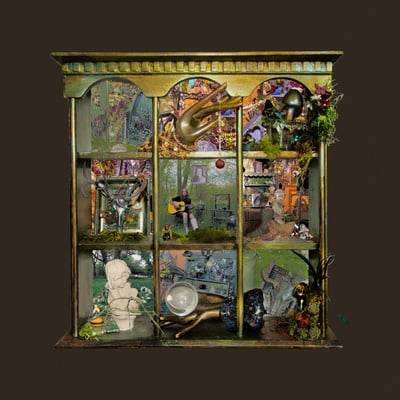
Billy Strings So Much For Goodbyes
Released Aug 28, 2026 Reprise
Established consensus 8 professional reviews Updated Sep 5, 2026
Strong critical consensus
Billy Strings's So Much For Goodbyes opens as a candid, often devastating reckoning that folds virtuoso playing into plainspoken songs about grief, family, and life on the road.
How ChoruScore worksCritics' Top Tracks
The songs critics returned to most
Still I Crash
7 critic mentions
“Still I Crash” does not. Strings sings what sounds like an orphan’s first poem alone with an acoustic” — Pitchfork
Live to Tell
3 critic mentions
“He wallows with his memories during “Live to Tell,” winter coming down on his native Michigan” — Pitchfork
Debra's Waltz
6 critic mentions
“The closing track, the self-explanatory “Debra’s Waltz”, is a delicate instrumental deliberately scuffed enough to sound like it is being beamed in on an AM radio” — Uncut
Full critic consensus
Billy Strings's So Much For Goodbyes opens as a candid, often devastating reckoning that folds virtuoso playing into plainspoken songs about grief, family, and life on the road. Across eight professional reviews that form a strong critical consensus, critics point repeatedly to the quiet, unadorned power of “Still I Crash”, the contemplative sweep of “Live to Tell”, and the tender closure of “Debra's Waltz” as the record's emotional anchors. With a consensus score of 88.88/100 across 8 reviews, the collection earns praise for balancing technical bravura and lyrical intimacy without surrendering emotional clarity.
Reviewers consistently highlight themes of mourning, redemption, faith, and working-class memory while noting how tradition collides with inventive impulses - bluegrass meets improvisation and gospel-tinged harmonies recur as motifs. Critics praise energetic cuts like “Bluewater Breakdown” and “Lucid Daydream” for providing release, and tracks such as “Remember to Cry” and “Mill Town Flood” for pairing jaunty rhythms with real heartbreak. While a few reviews register minor concerns about pacing and cohesion, the dominant view is that the record's best songs cut deep and reward repeated listening.
Taken together, the critical consensus frames So Much For Goodbyes as one of Strings' most accomplished statements - emotionally direct, musically adventurous, and anchored by unmistakable standout tracks - a record that reconciles tradition with personal catharsis and stakes a clear claim in his catalog. Scroll down for full reviews and a track-by-track look at the best songs on So Much For Goodbyes.
Track Ratings
How critics rated each track, relative to this album (0-100). Only tracks that made critics feel something are rated.
I'm One of Those
Burn the Other End
Carry Us Home
Lay Me Down
Lucid Daydream
Mill Town Flood
Live to Tell
Bluewater Breakdown
Light the Way
I Like Train Songs
10,000 Miles From a Friend
Still I Crash
I Wish I Wanted To
Remember to Cry
Wrestling an Angel
Debra's Waltz
Get the next albums worth your time.
Critic-backed picks in one clean digest. No clutter.
What Critics Are Saying
Deep insights from 12 critics who reviewed this album

Critic's Take
Billy Strings approaches So Much For Goodbyes as an intimate reckoning, and the best songs on So Much For Goodbyes are the ones that cut through the spectacle - “Still I Crash”, with its stark guitar melody and direct lyrical wail, and “Lay Me Down”, which recasts mourning as generational plea. Petridis writes in clipped, observant sentences that move from virtuoso detail to emotional consequence, so the album's standout tracks are those that pair his astonishing picking with songs that actually land emotionally.
Key Points
-
The best song, "Still I Crash", lands hardest because its stark recording and direct address to his mother deliver visceral emotional impact.
-
The album's core strengths are virtuoso acoustic playing married to introspective, grief-centered songwriting that recasts country tropes as personal trauma.
Themes
Ri
Critic's Take
Billy Strings pours his honest, humble voice into So Much For Goodbyes, and the best songs on the record - notably “Mill Town Flood” and “Lucid Daydream” - reveal that vulnerability with devastating clarity. The reviewer’s ear lingers on the simple, moving heart of “Mill Town Flood” and the frenetic, cinematic rush of “Lucid Daydream”, two of the best tracks on So Much For Goodbyes that showcase both restraint and daring. Intimate moments like “Still I Crash” and the trucker tale “10,000 Miles From a Friend” broaden the album’s emotional palette, balancing grief with wry humor and technical bravura. This is an album that makes you listen, feel, and occasionally dance, and those standout songs explain why it strikes so true.
Key Points
-
“Mill Town Flood” is the album’s emotional centerpiece because of its simple progression and outstanding vocal arrangements.
-
The album’s strengths are honest songwriting, grief-tinged themes, and virtuosic yet restrained instrumental work.
Themes

Critic's Take
Billy Strings approaches So Much For Goodbyes with unflinching candour and dazzling technique, and the best songs on the album - notably “Burn the Other End” and “Still I Crash” - distil that tension between raw grief and virtuoso joy. Mueller writes with an eye for the surreal and the intimate, and he prizes the prowling gothic gospel of “Burn the Other End” as the record’s representative centrepiece, while the plaintive solo of “Still I Crash” names the album’s true subject. He also flags playful highlights like “Bluewater Breakdown” and “I Like Train Songs” that relieve the sorrow with giddy musicianship. The result is an album that is starkly confessional yet warmed by wit, where the best tracks on So Much For Goodbyes marry tradition to bravura performance.
Key Points
-
“Burn the Other End” is the album’s representative centerpiece, combining gothic gospel atmosphere with a frantic guitar climax.
-
The album’s core strengths are candid, confessional songwriting and dazzling instrumental virtuosity that balance sorrow with wit.
Themes

Critic's Take
Billy Strings approaches So Much For Goodbyes with a quieter, inward gaze, where the best songs are those that make grief feel immediate and earned. The standout “Still I Crash” arrives as the record's heartbreaking center, sung unaccompanied and refusing easy sentimentality. Upfront tracks like “I'm One of Those” and the barnburner “Bluewater Breakdown” show he can still spark and console at once. The album's pacing is long but forgiven, because its best tracks carry real emotional weight and craft.
Key Points
-
The best song is "Still I Crash" because its unaccompanied, direct delivery makes the album's grief palpable.
-
The album's core strengths are emotional honesty, strong traditional arrangements, and subtle innovation under T-Bone Burnett's guidance.
Themes

Critic's Take
Billy Strings approaches So Much For Goodbyes with a restrained, deeply introspective voice that turns songs like “Live to Tell” and “Still I Crash” into the album's emotional centers. The reviewer's tone is admiring and measured, noting how tracks that might have been jammy elsewhere instead feel deliberate and evocative, making them the best songs on So Much For Goodbyes. He singles out “Live to Tell” for its beautiful contemplation and “Still I Crash” for its direct grief, recommending multiple listens to appreciate these standout tracks. Overall the critic frames these songs as the record's most affecting moments, worthy of being called the best tracks on the album.
Key Points
-
“Still I Crash” is the album's most direct and emotionally potent song about loss.
-
The album's core strength is its restrained, intentional songwriting that reveals vulnerability across multiple listens.
Themes
Sa
Critic's Take
Having long sketched his mercurial range, Billy Strings on So Much For Goodbyes turns personal loss into some of his sharpest songwriting yet. The reviewer praises tracks like “Remember To Cry” and “Lucid Daydream” as standout moments where grief and virtuosity collide, while quieter pieces such as “Still I Crash” cut to the bone. The album is admired for its sprawling diversity even as it sometimes struggles to cohere, making the best songs—the real triumphs—stand apart. Overall, the record balances virtuosity and vulnerability in ways that reward repeated listening.
Key Points
-
“Remember To Cry” is the best song for its eerie economy of words and emotional contrast between music and subject.
-
The album’s core strengths are strong individual songs, instrumental virtuosity, and an honest grappling with grief across diverse styles.
Themes

Critic's Take
Billy Strings approaches So Much For Goodbyes with a clear-eyed tenderness, and the best tracks - “I’m One of Those”, “Lucid Daydream” and “Debra’s Waltz” - carry the emotional weight most potently. Fyfe frames “I’m One of Those” as nostalgic and confessional, while “Lucid Daydream” and “Remember to Cry” justify the album’s reckoning with regret. The closing instrumental “Debra’s Waltz” is presented as tentative closure, and that thread of uplift amid sorrow is why listeners will ask about the best songs on So Much For Goodbyes. Overall the tone is both unflinching and often uplifting, which makes these standouts feel necessary rather than decorative.
Key Points
-
The best song, "I'm One of Those," is the album's emotional anchor, using nostalgia to express grief.
-
The album's core strengths are its unflinching exploration of family, addiction, and moments of uplift amid sorrow.
Themes

Critic's Take
Billy Strings arrives at a new level on So Much for Goodbyes, where the best songs - “Live to Tell”, “Still I Crash”, and “Light the Way” - are devastating and beautiful reckonings that anchor the record. Grayson Haver Currin writes with the same clear-eyed compassion he uses across the review, detailing how those tracks distill grief into plainspoken, haunting lines and gospel-tinged harmonies. The narrative voice stays intimate but exact: it notices winter in Michigan on “Live to Tell” and the artless honesty of “Still I Crash”, and it rewards the album for making space for instrumentals like “Bluewater Breakdown” and the closing tenderness of “Debra's Waltz” without losing focus on songwriting. This is a bluegrass record that earns its heartbreak, and answers queries about the best tracks on So Much for Goodbyes by pointing to those three songs as the record's emotional center.
Key Points
-
The best song is a trio of emotional centerpieces - “Live to Tell”, “Still I Crash”, and “Light the Way” - because they turn personal grief into plainspoken, powerful songwriting.
-
The album’s core strengths are intimate storytelling, smart production that foregrounds Strings, and a balance of instrumental brilliance with gospel-tinged harmonies.
Themes

Critic's Take
Billy Strings uses So Much For Goodbyes to transmute personal loss into songs that move between motion and mourning, with the opener “I'm One of Those” and the plaintive “Still I Crash” standing out. The reviewer's ear lingers on the warm, spacious arrangement of “I'm One of Those” and the album's emotional centre in “Still I Crash”, where direct address to his mother lands with quiet force. Up-tempo cuts like “Lay Me Down” and “Remember to Cry” complicate grief by pairing brisk bluegrass with heartbreak, while instrumental closer “Debra's Waltz” serves as a tender farewell. This is a record notable for superb musicianship and storytelling, making those tracks the best songs on So Much For Goodbyes for both emotional weight and musical craft.
Key Points
-
Still I Crash is the best song for its direct, intimate address to his mother and its emotional core.
-
The album's core strengths are emotional honesty and superb musicianship blending bluegrass tradition with broader influences.
Themes
Fo
Critic's Take
Billy Strings pours cinematic sweep and inward honesty into So Much For Goodbyes, where the best tracks - “I’m One of Those” and “Mill Town Flood” - fold intimate lyricism into expansive musicianship. The reviewer's voice lingers on how cascading picking and resonant baritone make “I’m One of Those” a paean to leaving and looking back, while the gorgeous ballad “Mill Town Flood” captures love, loss, and longing with ethereal harmonies. Instrumental stretches like “Bluewater Breakdown” and the closing “Debra’s Waltz” underline Strings’ inventive instrumental vision and fearlessness when merging bluegrass, jazz, and psychedelia. Overall, the record’s best songs balance lyrical depth and bold sonic exploration, giving listeners clear answers to queries about the best songs on So Much For Goodbyes without sacrificing emotional nuance.
Key Points
-
The best song, "Mill Town Flood," is best for its gorgeous ballad writing and ethereal harmonies that convey love and loss.
-
The album’s core strength is matching lyrical mood to inventive instrumental arrangements that fuse bluegrass, jazz, and psychedelia.
Themes
No
Critic's Take
Billy Strings arrives on So Much For Goodbyes with a record shaped by mourning and memory, and the best tracks cut through that gloom with pinpoint clarity. The reviewer finds that songs like “Remember to Cry” stand out as jaunty yet heartbreaking, a perfect example of how the album hides sorrow under a rambunctious surface. The album is praised for compressing Strings' inventiveness into a focused meditation on faith and mother, so queries for the best songs on So Much For Goodbyes repeatedly point back to “Remember to Cry” as a highlight. Overall, the record feels like a single, 75-minute exploration of grief, with specific tracks providing the sharpest charge of feeling.
Key Points
-
The best song, "Remember to Cry," pairs jaunty bluegrass energy with devastating lyrics, making it the album's emotional centerpiece.
Themes

Critic's Take
Billy Strings gets intimate on So Much For Goodbyes, turning inward with songs like “I’m One of Those” and “Live to Tell” that foreground grief and memory in crystalline, narrative detail. The record trades some of his live-era psychedelia for austere, aching lyricism, letting guest voices and spare arrangements amplify the emotional stakes. Tracks such as “Lucid Daydream” and “Debra's Waltz” still provide the progressive instrumental payoff, but it is the album's quieter, personal numbers that emerge as the best songs on So Much For Goodbyes.
Key Points
-
The best song is "Live to Tell" for its vivid imagery, Allison Krauss harmonies, and status as a standout highlight.
-
The album’s core strengths are intimate, mature songwriting and the blend of traditional and progressive bluegrass textures.