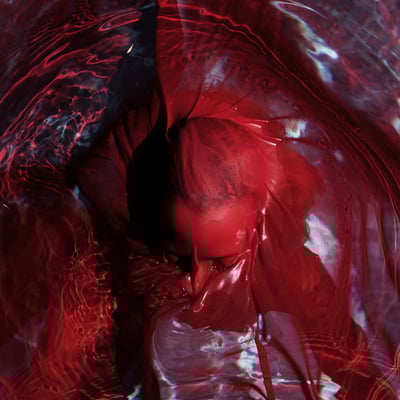
Blackwater Holylight Not Here Not Gone
Released Jan 30, 2026 Suicide Squeeze Records
Established consensus 9 professional reviews Updated Mar 13, 2026
Broadly positive consensus
Blackwater Holylight's Not Here Not Gone stakes out a moody, doomgaze territory where restraint and eruption coexist, and critics largely agree the band has never sounded more focused.
How ChoruScore worksCritics' Top Tracks
The songs critics returned to most
How Will You Feel
8 critic mentions
“The opening track, ‘How Will You Feel‘, establishes that tension immediately.” — God Is In The TV Zine
Poppyfields
8 critic mentions
“the closing "Poppyfields" all the more striking, its account of the Los Angeles wildfires erupting with sudden intensity” — Under The Radar
Bodies
7 critic mentions
“Bodies‘ sharpens the edges. Metal-leaning bass and power riffs rub against a surprisingly lilting, almost Smiths-like vocal line” — God Is In The TV Zine
Full critic consensus
Blackwater Holylight's Not Here Not Gone stakes out a moody, doomgaze territory where restraint and eruption coexist, and critics largely agree the band has never sounded more focused. Across nine professional reviews the record earned an 80.89/100 consensus score, a figure that reflects repeated praise for the trio's patient builds, dense fuzz and the spectral push-pull between light and darkness that animates opener “How Will You Feel” and closer “Poppyfields”.
Reviewers consistently point to a handful of standout tracks as proof of the album's strengths: “How Will You Feel”, “Poppyfields”, “Bodies” and “Spades” recur in critics' best-of lists for their balance of heaviness and melody. Across the coverage, writers emphasize the band's mastery of texture - layered instrumentation, gradual builds and psych-tinged distortion - so that moments of fury, such as “Heavy, Why?”, land with emotional weight rather than mere volume. Several critics also single out quieter pivots like “Fade” and “Involuntary Haze” for revealing pop rewards beneath the haze.
Not all responses are unreserved: some reviewers note that interludes like “Giraffe” feel undercooked and a few point to moments of fatigue in the pacing. Still, the dominant critical consensus frames Not Here Not Gone as a cohesive step forward for Blackwater Holylight - a record where doom, shimmer and restraint converge into a compelling, often cathartic collection. Scroll down for full reviews and deeper takes on whether these best tracks make the record worth repeated listens.
Track Ratings
How critics rated each track, relative to this album (0-100). Only tracks that made critics feel something are rated.
How Will You Feel
Involuntary Haze
Bodies
Heavy, Why?
Giraffe
Spades
Void To Be
Fade
Mourning After
Poppyfields
Get the next albums worth your time.
Critic-backed picks in one clean digest. No clutter.
What Critics Are Saying
Deep insights from 9 critics who reviewed this album
Di
Critic's Take
BLACKWATER HOLYLIGHT’s Not Here Not Gone is a triumphant consolidation of the band’s dualities, and the best songs - “Heavy, Why?”, “Poppyfields” and “Bodies” - prove why. The record unfolds in layers, so opener “How Will You Feel” eases you in while “Heavy, Why?” erupts into euphoric, psych-driven momentum. “Poppyfields” closes things epically and “Bodies” bathes riffs in California sun, delivering many of the album’s stand-out moments. This is the band at the top of their game, striking gold across mood, texture and heft.
Key Points
-
The best song, “Heavy, Why?”, is the centerpiece because it crystallises the band’s duality and erupts into euphoric, world-class passages.
-
The album’s strengths are layered instrumentation and a balance of heaviness and sunlit grooves that deliver stand-out moments throughout.
Themes

Critic's Take
The review makes clear that Blackwater Holylight have sharpened the heaviness on Not Here Not Gone, with songs like “Bodies” and “Spades” showcasing nasty chugs while “Poppyfields” rewards patience with a blackened climax. The writer praises the band for balancing aggressive guitars and reassuring mid-range cleans, and singles out “Involuntary Haze” for its smooth chorus as one of the best tracks. There is a measured caveat about interludes like “Giraffe” feeling undercooked, but overall the album is called another quality installment likely to play well live.
Key Points
-
The best song, "Poppyfields", is best for delivering a paid-off blackened climax after an upbeat pivot, showing the band’s heavier payoff.
-
The album’s core strength is balancing heavier, aggressive guitars and nasty chugs with a comforting psychedelic haze and gradual builds.
Themes

Critic's Take
Blackwater Holylight's Not Here Not Gone feels like the album where menace and melody finally reconcile, with songs such as “How Will You Feel” and “Bodies” standing out as best tracks for their balance of foreboding and shimmer. Andy Von Pip's prose praises the thunderous, spellbinding hard rock of “Bodies” and the propulsive drive of “Spades” while noting how quieter pieces like “Poppyfields” strike with sudden intensity. The record is strongest when it knows when to hold back, making those best songs hit harder because of the restraint that surrounds them. Overall, this is the most assured Blackwater Holylight record yet, and these best tracks demonstrate why the band excels in that liminal space.
Key Points
-
The best song(s) are most effective because they balance menace and melody, making their impact stronger through restraint.
-
The album's core strength is its control of light and shadow, favoring texture and knowing when to hold back.
Themes

Critic's Take
Blackwater Holylight make a compelling case on Not Here Not Gone, where opener “How Will You Feel” and closer “Poppyfields” bookend a moody, cohesive record. Badgley’s ear finds the band at their best when tension meets melody - the slow-burning shifts on “Poppyfields” and the majestic fade of “Fade” stick with you. He singles out the droning instrumental “Giraffe” as a brief but telling pivot, and praises Allison Faris’s vocals, especially on “Fade”. Overall, the review frames the best tracks as those that balance grit and atmosphere, making the album worth repeated listens.
Key Points
-
The best song, "Poppyfields", is the standout because it shifts gears and closes the album with a slow-burning, artful finale.
-
The album’s core strengths are its moody cohesion, willingness to experiment, and the blend of grit with melodic atmosphere.
Themes

Critic's Take
Blackwater Holylight’s Not Here Not Gone reads like a feverish collision of heaven and hell, where “How Will You Feel?” and “Spades” stand out as the record’s most arresting moments. There’s admiration for the band’s integration of past textures - the shimmery sorrow of Silence/Motion and the reconciliatory strides of If Only You Knew - which come to fruition here, especially on the nuanced, overwhelming apex that is “Spades”. The record’s blend of beauty, heartbreak and swagger explains why listeners searching for the best tracks on Not Here Not Gone will gravitate to those aforementioned songs.
Key Points
-
“Spades” is the best song because it showcases the band at their most nuanced and apocalyptic, with Faris’ voice and the guitars creating a memorable juxtaposition.
-
The album’s core strengths are its melding of doom and shoegaze textures, Allison Faris’ plaintive vocals, and a blend of beauty with heartbreak that feels both celestial and infernal.
Themes
Go
Critic's Take
Blackwater Holylights Not Here Not Gone finds its best songs in moments where melody peers out from fuzz, specifically “How Will You Feel” and “Heavy, Why?”. The reviewer lingers on how “How Will You Feel” sets the record’s tone with dense, languid fuzz and a tender vocal, and how “Heavy, Why?” stretches that tension into a cresting, feedback-driven payoff. Other standouts like “Involuntary Haze” and “Void To Be” repay repeated listens by hiding pop rewards and bright choruses beneath the blur. Overall, the critic frames the best tracks as those that balance murk and melody, making Not Here Not Gone feel gloriously immersive and revealing on each play.
Key Points
-
The best song, exemplified by “How Will You Feel”, balances dense fuzz with a tender vocal that sets the album’s tone.
-
The album’s core strength is its contrast of heavy, immersive guitar texture and hidden melodic rewards that reveal themselves over repeated listens.
Themes

Critic's Take
Blackwater Holylight's Not Here Not Gone finds its clearest victories in songs that let heaviness serve feeling, especially “How Will You Feel” and “Void To Be”. Sadie Sartini Garner writes with a composed, observant cadence, noting how the sleetstorm of guitars and meaningful pauses in “How Will You Feel” make it the album's opening and best track. She likewise highlights “Void To Be” for how regret and restraint reshape lust into sober reflection, which helps answer searches for the best songs on Not Here Not Gone. The review frames these best tracks as embodiments of the record's fatigue-and-resistance core, where distortion is tempered by tenderness.
Key Points
-
“How Will You Feel” is best for its sleetstorm guitars, meaningful pauses, and tender narration that center the album.
-
The album's core strength is using heavy textures to amplify emotional weight rather than shock, creating a fatigued, spectral intimacy.
Themes
Sp

Critic's Take
Blackwater Holylight have made on Not Here Not Gone a study in duality, where the best songs - notably “Heavy, Why?” and “How Will You Feel” - turn menace into melody. The reviewer's tone savors the band’s ability to sculpt thunder into transcendence, praising “Bodies” and “Spades” for sludgy psychedelia that still feels luminous. The instrumental “Giraffe” is called a divisive stylistic hinge, and the final track “Poppyfields” lands as a harrowing, necessary coda. Overall, the critic frames these standout tracks as proof that patience and relocation broadened the band’s horizons without blunting their edge.
Key Points
-
The best song, "Heavy, Why?", is best because it crystallizes the band’s duality: threatening instrumentation offset by fragile vocals.
-
The album’s core strengths are its tonal contrasts, patience in songwriting, and the melding of heavy shoegaze textures with luminous melodies.