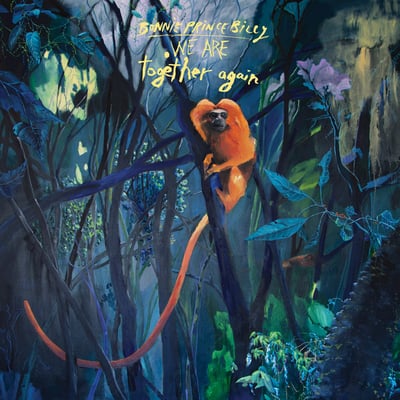
Bonnie "Prince" Billy We Are Together Again
Released Mar 6, 2026 No Quarter
Established consensus 11 professional reviews Updated Mar 14, 2026
Broadly positive consensus
Bonnie "Prince" Billy's We Are Together Again opens as a modest, communal reckoning that balances melancholy and hope across hushed arrangements and occasional symphonic swells.
How ChoruScore worksCritics' Top Tracks
The songs critics returned to most
Why is the Lion?
8 critic mentions
“The album is bookended by ‘Why is the Lion?’ and ‘Bride of the Lion’ – two interconnected songs which find love to be the counterbalance to fear.” — For Folk's Sake
Hey Little
7 critic mentions
“Joy overcomes all else on songs like ‘Vietnam Sunshine’ and ‘Hey Little’, the latter dedicated to the inexplicable love of a child” — Far Out Magazine
Bride of the Lion
7 critic mentions
“The album is bookended by ‘Why is the Lion?’ and ‘Bride of the Lion’ – two interconnected songs which find love to be the counterbalance to fear.” — For Folk's Sake
Full critic consensus
Bonnie "Prince" Billy's We Are Together Again opens as a modest, communal reckoning that balances melancholy and hope across hushed arrangements and occasional symphonic swells. Critics agree the record rewards close listening: its consensus score sits at 77/100 across 11 professional reviews, and reviewers consistently point to a suite of standout songs that give the collection both heart and urgency.
Across professional reviews, critics praised the album's textural subtlety and communal instincts. Songs like “Why is the Lion?”, “Bride of the Lion”, “Hey Little”, “Life Is Scary Horses” and “Strange Trouble” recur as the best songs on We Are Together Again, noted for fragile vocals framed by strings, brass, harp and chamber-choir harmonies. Reviewers from PopMatters and The A.V. Club emphasize the bookending lion songs as thematic anchors, while Paste Magazine, AllMusic and others highlight Louisville-rooted intimacy, collaborative vocal arrangements, and moments where orchestration turns dread into consolation. Critics consistently cite parenthood, togetherness and political unease as undercurrents that sharpen Oldham's songwriting without overwhelming its tenderness.
Views are measured rather than rapturous. Some critics praise the album's restraint and communal warmth as its greatest strength, while others find the tone narrow and compact, a forty-five minute intimacy that risks claustrophobia even as it insists on resilience. Taken together, the critical consensus suggests We Are Together Again is a rewarding, quietly accomplished chapter in Bonnie "Prince" Billy's catalog, best experienced through the album's recurring highlights and the small, reconciliatory gestures that tie the songs into a coherent whole.
Track Ratings
How critics rated each track, relative to this album (0-100). Only tracks that made critics feel something are rated.
Why is the Lion?
They Keep Trying To Find You
Strange Trouble
Life is Scary Horses
(Everybody's Got a) Friend Named Joe
Vietnam Sunshine
Hey Little
Davey Dead
The Children Are Sick
Bride of the Lion
Get the next albums worth your time.
Critic-backed picks in one clean digest. No clutter.
What Critics Are Saying
Deep insights from 11 critics who reviewed this album

Critic's Take
Grant Sharples writes with patient clarity about the album’s Louisville-first intimacy, praising how “Davey Dead”’s harp and saxophone cohere into a late-album highlight. The reviewer’s voice stays measured and admiring, noting that arrangements from strings to chamber-choir harmonies make these the best tracks on We Are Together Again. Overall, the album’s strengths are its sense of kinship and the way individual songs, notably “Vietnam Sunshine” and “Hey Little”, reveal communal textures without grandiosity.
Key Points
-
The best song is "Bride of the Lion" because it bookends the album with communal harmonies that crystallize its kinship theme.
-
The album’s core strengths are its sense of community, Louisville-rooted arrangements, and tasteful string and vocal embellishments.
Themes

Critic's Take
Grant Sharples hears the record as a communal reclamation, opening with “Why Is the Lion?” and closing with “Bride of the Lion”, bookends that make clear why the best songs on We Are Together Again feel like shared statements. He lingers on “Davey Dead” as a late-album highlight that gels "wonderfully," and praises “Vietnam Sunshine” and “Hey Little” for their radiant harmonies and orchestral pluck. The review reads like a hometown tour, insisting these best tracks show Oldham reconnecting with Louisville, family, and a warmer, more symphonic sound. It is affectionate, precise, and persuasive about which songs carry the album's ethic of togetherness.
Key Points
-
“Davey Dead” is the best song because its harp, sax, and synth parts cohere into a late-album highlight that exemplifies the record's communal warmth.
-
The album's core strengths are its emphasis on community, family contributions, and richer string arrangements that make Oldham's roots feel symphonic yet intimate.
Themes

Critic's Take
The record’s communal instincts surface on “Strange Trouble” and “Hey Little”, where harmonies and strings turn familiar melodies into small revelations. Oldham’s political and personal questions anchor “Why is the Lion?”, giving the album urgency without losing its softness. Overall, these songs demonstrate why listeners who follow his work find themselves drawn into recurring conversations rather than mere progressions.
Key Points
-
The best song, "Life is Scary Horses", is the album’s emotional center, pairing intimate vocals with lush, restrained strings.
-
The album’s core strength is communal intimacy, using collaborations and plain-spoken lyricism to address personal and political anxieties.
Themes

Critic's Take
He singles out “Life Is Scary Horses” for its bare, unaffected vocal foreground and gorgeous string arrangements, and highlights “They Keep Trying To Find You” as one of the album's most stripped-down, haunting moments. Thomas writes with an appreciative, measured tone about textures - flutters of electronics, harp, and ghostly backing vocals - that make the best tracks feel intimate and lived-in. The result answers searches for the best songs on We Are Together Again by pointing to those subdued centerpieces rather than country bravado.
Key Points
-
“Life is Scary Horses” is the standout due to its bare vocal and gorgeous string arrangements making it an album highlight.
-
The album’s core strength is its hushed, textured arrangements that let fragile, haunting lyrics land.
Themes
Sp
Critic's Take
In his familiar, quietly observant manner Justin Cober-Lake finds the best songs on We Are Together Again in their communal warmth and spiritual questioning. The reviewer emphasizes how songs like “(Everybody's Got a) Friend Named Joe” and “The Children Are Sick” translate pain into consolation through an army of vocal collaborators, making them among the best tracks on the album. The tone remains measured and elegiac, arguing that the album’s pleasures come from small communal acts and strong songwriting rather than easy answers.
Key Points
-
The best song(s) function as thematic anchors and communal touchstones, with “Why is the Lion?” framing the album’s questioning.
-
The album’s core strength is its portrayal of community as a palliative force, expressed through collaborative vocals and intimate songwriting.
Themes
mu
Fa
Critic's Take
Paulina Subia’s voice leans into measured, almost elegiac sentences, noting how soft melodies and strings ground panic into calm - that restrained tenderness is why listeners will seek out the best tracks on We Are Together Again. The review points to “Strange Trouble” as the standout because it frames salvation as a searching question, and the bookending lion songs form a compassionate frame for the record. Overall, the reviewer privileges storytelling and communal solace, making these songs the clearest answers to queries about the best songs on the album.
Key Points
-
The best song, “Strange Trouble”, is singled out for its searching questions and sense of salvation.
-
The album’s core strengths are Oldham’s storytelling and the use of simple, melodic arrangements to turn dread into communal hope.
Themes
No
Critic's Take
Flynn's phrasing keeps the record tethered between dread and lullaby, so when “Vietnam Sunshine” unfurls bright horns and a violin it feels like release, and “Hey Little” reads as a direct, paternal benediction. Elsewhere “(Everybody's Got a) Friend Named Joe” and “Davey Dead” provide counterpoints, Joe as grateful ballast and Davey as a warning that deepens the album's stakes. The result is a compact, claustrophobic forty-five minutes that nevertheless insists tenderness might be enough to survive the night.
Key Points
-
Vietnam Sunshine is the album's high point because its bright horns and violin deliver a moment of true relief and the record's thesis.
-
The album's core strength is its persistent tenderness and protective parental perspective that reconciles fear with intimacy.
Themes

Critic's Take
The record bookends itself - “Why is the Lion?” and “Bride of the Lion” act as interconnected anchors that let love counterbalance fear, while “Life is Scary Horses” stands out for its collaborative, spiritual cover vocal. “Vietnam Sunshine” and “(Everybody's Got a) Friend Named Joe” provide lighter and more immediate moments that underline the album's faith in community. The reviewer’s tone remains clear-eyed and quietly admiring, highlighting hope threaded through desolation.
Key Points
-
The best song, “Life is Scary Horses”, is a spiritual, collaborative standout that turns stark lyrics into consolation.
-
The album’s core strength is pairing stark observations of collapse with intimate community and friendship to offer hope.
Themes

Critic's Take
The best songs - “Why is the Lion?”, “They Keep Trying To Find You” and “(Everybody's Got a) Friend Named Joe” - show how strings, brass and extra voices amplify his fragile delivery rather than mask it. It is a record that wears its polish proudly while still feeling intimate and haunted, with the opener's lullaby calm and the mid-album duets delivering real emotional weight. The closing “Bride of the Lion” reframes the opener with rueful acceptance, leaving the listener convinced this run of songs is unusually and deservedly accomplished.
Key Points
-
The opener “Why is the Lion?” is best for its lullaby melody and delicate, engaging arrangement.
-
The album’s core strengths are its lavish arrangements and the way added voices and instruments amplify Oldham’s frail tenor.
Themes
KL
Critic's Take
In his wry, observant manner Thomas Blake finds the best tracks on We Are Together Again to be intimate and revealing rather than merely pretty. He highlights “Strange Trouble” as containing "one of his prettiest melodies in years" and praises “Hey Little” as "one of the truest, most emotionally resonant songs about parenthood". The review points to collaborative flourishes on “Vietnam Sunshine” and the communal vocals on “The Children Are Sick” as further reasons these are the best songs on We Are Together Again.
Key Points
-
The best songwork centers on the paired bookends “Why Is the Lion?” and “Bride of the Lion” which embody the album's dualism.
-
The album's strengths are emotional directness, inventive arrangements, and effective collaborative vocals that broaden Oldham's reach.