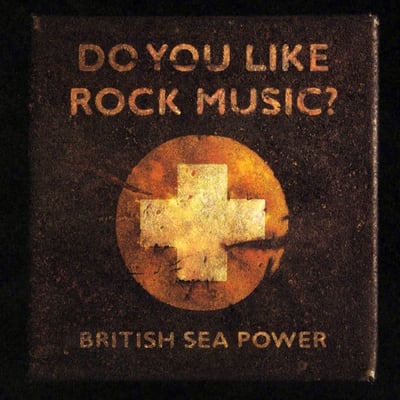
British Sea Power Do You Like Rock Music?
Released Jan 14, 2008 Rough Trade
Established consensus 28 professional reviews Updated Aug 25, 2026
Broadly positive consensus
British Sea Power's Do You Like Rock Music?
How ChoruScore worksCritics' Top Tracks
The songs critics returned to most
Waving Flags
13 critic mentions
“The latter crops up on 'Waving Flags', a thunderous song in praise of immigrants, particularly those 'of legal drinking age'.” — The Guardian
Atom
7 critic mentions
“The Buzzcocks-copping "Atom" has a similarly muscular feel, though an unfortunate dissolve into chaotic feedback lends it a bitter aftertaste” — Slant Magazine
No Lucifer
6 critic mentions
“No Lucifer" even bullies you into chanting along with its shouted refrain "Easy! Easy! Easy!” — Pitchfork
Full critic consensus
British Sea Power's Do You Like Rock Music? stakes a claim for stadium-scale ambition wrapped in island eccentricity, and across 28 professional reviews the consensus leans toward admiration with caveats. Earning an 80.68/100 consensus score across 28 reviews, critics consistently single out “Waving Flags”, “No Lucifer” and “Atom” as the record's most immediate high points, while “Lights Out for Darker Skies” and “No Need to Cry” surface repeatedly as potent examples of the band's loud-soft dynamics and orchestral ambition. Reviewers praise the album's anthem-ready choruses, choirlike textures and sweep — elements that convert pastoral imagery and nautical motifs into communal, near-festival moments.
Track Ratings
How critics rated each track, relative to this album (0-100). Only tracks that made critics feel something are rated.
All In It
Lights Out for Darker Skies
No Lucifer
Waving Flags
Canvey Island
Down On the Ground
A Trip Out
The Great Skua
Atom
No Need to Cry
Open the Door
We Close Our Eyes
Get the next albums worth your time.
Critic-backed picks in one clean digest. No clutter.
What Critics Are Saying
Deep insights from 28 critics who reviewed this album

Critic's Take
British Sea Power make an album that revels in big vistas and oddball detail on Do You Like Rock Music?, where the best tracks underline their knack for marrying grandeur and domestic observation. The astonishing “Canvey Island” reads like indie rock reportage about bird flu and Essex, and it is rightly highlighted as a download; its specificity and drama make it one of the best songs on Do You Like Rock Music?. Equally, the thunderous “Waving Flags” mixes euphoria and dread, proving why critics point to it among the best tracks on the album. Elsewhere, “Down On the Ground” offers punky pastoralism that cements the record's populist-arcane balance, so the album's standout moments are both muscular and idiosyncratic.
Key Points
-
The best song, 'Canvey Island', is singled out for its astonishing, narrative indie-rock take on bird flu and Essex.
-
The album's core strengths are its mix of populist rock scale and arcane, pastoral detail, yielding muscular yet idiosyncratic songs.
Themes


Critic's Take
British Sea Power return with Do You Like Rock Music?, an album that rewards close attention and refuses easy pop hooks. The reviewer lingers on “All In It” into “Lights Out for Darker Skies” as a commanding opening and singles out “Waving Flags” for its epic sweep and choir. He praises Hamilton's pair “No Need to Cry” and “Open the Door” as moments of loveliness that shimmer toward the finish. Overall, the best songs on Do You Like Rock Music? are those that reveal themselves with careful listening rather than instant radio-friendly grabs.
Key Points
-
The best song moments like “Waving Flags” reward repeated, careful listening rather than instant pop hooks.
-
The album's strengths are ambition, detailed production, and the dual-frontman vocal dynamic.
Themes

Critic's Take
British Sea Power present Do You Like Rock Music? as a daring, self-questioning album where the best tracks - notably “Atom” and “Waving Flags” - turn inquiry into spectacle. The reviewer lingers on the record's Jekyll and Hyde nature, praising how “Atom” builds patiently then detonates into hazardous energy, while “Waving Flags” and “No Lucifer” marry violin-led chanting to anthemic beauty. There is admiration for quieter pieces such as “The Great Skua” and “No Need to Cry” that reward repeated listens, adding depth to the album's rousing choruses. Overall the voice relishes the band's newfound heaviness and emotional sweep, positioning these songs among the best tracks on Do You Like Rock Music?.
Key Points
-
“Atom” is the best song for its patient build and explosive, chain-reaction energy.
-
The album's core strengths are its Jekyll-and-Hyde contrasts: rousing, anthemic highs and rewarding quieter moments.
Themes
mu
Dr
Critic's Take
With characteristic theatricality the review stakes out the best tracks on Do You Like Rock Music? by foregrounding muscular openers and artful anthems. British Sea Power punch in with “All In It” as a bracing welcome, while the calamitous Surfer Rosa hook of “Lights Out for Darker Skies” arrests attentions with chamber noise and infectious darting. The record’s heart lands on “Waving Flags” and “The Great Skua” for their orchestral intricacies and symphonic reach, even as the band flirts with post-rock pretence and retains its warped optimism. It is these songs that best answer the question of the best songs on Do You Like Rock Music?, offering both brawn and guileful grace.
Key Points
-
The best songwork centers on “Lights Out for Darker Skies” for its arresting Surfer Rosa hook and chamber-noise catchiness.
-
The album’s core strengths are its anthemic orchestration, warped optimism, and a mix of brawn and guileful grace.
Themes
Ar


Critic's Take
British Sea Power return with Do You Like Rock Music?, a wintry, nuanced collection whose best songs reveal themselves across repeated listens. The rousing immigration anthem “Waving Flags” and the Blur-inspired “No Lucifer” stand out as invigorating centerpieces, while the sister bookends “All In It” and “We Close Our Eyes” give the album a satisfying frame. The band marries sweeping theatricality and organic studio touches so that the best tracks feel communal rather than self-important. For anyone asking about the best songs on Do You Like Rock Music?, start with “Waving Flags” and “No Lucifer”, then let the record unfurl with further spins.
Key Points
-
Waving Flags is the album's standout for its rousing, communal anthem quality.
-
The album's strengths are its sweeping theatricality, organic production touches, and cohesive, wintry atmosphere.
Themes

Co
En

Critic's Take
In his measured, slightly wry voice Stephen M. Deusner argues that British Sea Power inflate Do You Like Rock Music? into something monumental yet emotionally thin. He praises the sweeping ambition of “Waving Flags” and “Down on the Ground” as the album's biggest gestures, but notes they often sound deliberately theatrical rather than revelatory. Deusner singles out quieter moments like “Open the Door” for unexpectedly tender payoff amid the bombast, even as tracks such as “No Lucifer” demand choruses that deliver less than promised. The result is an album of big songs that sometimes feel like gestures toward grandeur instead of true catharsis.
Key Points
-
The best song, "Waving Flags", is best because its epic chorus and chiming guitars epitomize the album's grand ambitions.
-
The album's core strength is its ambition to enlarge its sound, even if that scale often dilutes intimacy and emotional payoff.
Themes
Re
Critic's Take
British Sea Power make Do You Like Rock Music? feel like a single, sweeping movement rather than a hits compilation, and that is why the best tracks, notably “Waving Flags” and “All In It”, land so memorably. The record marries the immediacy of Decline with expansive touches, producing moments where the band’s control lets songs almost float away, which is precisely what makes those songs stand out. There is a homeless, timeless quality running through the album that elevates the standout tracks into something more affecting than mere anthems.
Key Points
-
The best song captures the album’s sweeping, timeless quality and feels like part of a greater whole.
-
The album’s core strengths are its blend of immediacy and expansive production, and a cohesive flow across tracks.
Themes
Ho
Critic's Take
British Sea Power have delivered on Do You Like Rock Music? with a clutch of anthemic high points, notably “No Need To Cry” and “Waving Flags”, that underline why fans ask about the best songs on Do You Like Rock Music?. Paul Nolan praises the production and soaring, epic tunes, balancing muscular rock with moments of quiet contemplation, which is why listeners searching for the best tracks on Do You Like Rock Music? are likely to land on those songs. The tone is admiring and measured, conceding the album might lack a final push yet celebrating its powerful, passionate reach.
Key Points
-
The best song, “No Need to Cry”, stands out for its tender, beautifully atmospheric contrast to the album’s anthemic rock.
-
The album’s core strength is its sonic dynamism and balance of soaring, epic tunes with moments of quiet contemplation.
Themes
Critic's Take
British Sea Power sound defiantly singular on Do You Like Rock Music?, and the best tracks - “Atom” and “Waving Flags” - make that case with giddy conviction. The reviewer's relish for large-scale, edge-of-chaos arrangements comes through when he calls “Atom” an "outbreak of mass hysteria" and praises “Waving Flags” for its stirring anthemics that make festival crowds believe they are "all in it". The tone remains admiring, insisting the album finally harnesses the band's live force into brilliant, singalong songs rather than mere abstruseness.
Key Points
-
The best song, "Atom", is best because it converts the band's chaotic live energy into an irresistible, mass-appeal chorus.
Themes
Ma

Critic's Take
British Sea Power stitch together their influences into a triumphant whole on Do You Like Rock Music? The reviewer singles out “Lights Out for Darker Skies” as an instant classic and praises the epic bookends “All In It” and “We Close Our Eyes” for their organ-driven, choir-laced drama. The voice is admiring and specific, noting stadium-sized climaxes, shrieking guitars and pastoral anthems as reasons these are the best tracks on Do You Like Rock Music?. Read as a set, the album's strongest songs justify the claim that, hell yes, we do like rock music.
Key Points
-
“Lights Out for Darker Skies” is best for its instant-classic, stadium-sized climax and memorable guitar work.
-
The album's core strengths are its blending of punk energy with orchestral, choir-laced arrangements to create thematic coherence.
Themes

Ti
Q


Critic's Take
British Sea Power deploys its knack for contrast throughout Do You Like Rock Music?, and the best songs show that impulse in full bloom. The reviewer's voice singles out “Waving Flags” as probably the album's apex, a track that barrels forward with choir-like coos, a propulsive backbeat and an epic guitar crescendo that justifies the record's ambitions. He also praises “Open the Door” as an undersold hit, stately and contemplative, building to catharsis in a way that highlights the band’s melodic subtlety. For listeners asking what the best tracks on Do You Like Rock Music? are, the reviewer points squarely to “Waving Flags” and “Open the Door” as exemplars of the album’s integrated loud-and-soft design.
Key Points
-
Waving Flags is the best song because it fuses choir-like elements, propulsive rhythm and an epic guitar crescendo into an intelligently designed centerpiece.
-
The album's core strength is its layered integration of growling aggression and orchestrated sweetness, yielding a nuanced loud-soft dynamic.
Themes

Critic's Take
British Sea Power have made an oddly inviting third album in Do You Like Rock Music?, where punchy anthems rub up against their island eccentricity. The review eagerly singles out “No Lucifer” as the best song on the record, praising its uplifting yet eerie sweep and Funeral-worthy ambition. It also highlights “Waving Flags” for its naggingly anthemic choral swells and “All In It” for its stately, funereal march, explaining why these are among the best tracks on Do You Like Rock Music?. The tone is affectionate but wary, noting accessibility has traded some of BSP's uniqueness for a more mainstream rock reach.
Key Points
-
The review deems “No Lucifer” the best song for its uplifting yet eerie sweep and Funeral-worthy scope.
-
The album’s strengths are its anthemic hooks, lyrical wit and atmospheric, eccentric British character even as accessibility mutes some uniqueness.
Themes
Sp

Critic's Take
British Sea Power return with Do You Like Rock Music? and the best tracks are the ones that swell and stick - “All In It” and “Lights Out for Darker Skies” feel like grand, guitar-led mini-epics. Carle relishes the band's regained edge and production upswing, praising “Lights Out for Darker Skies” for its 'buy one, get one free' guitar riffs and “Waving Flags” for its angular pop melody and angelic choir. He balances that with a jab at the quieter moments - songs like “Open the Door” slide toward forgettable Smiths echoes - but the record mostly earns an unequivocal yes.
Key Points
-
The best song is standout guitar-driven mini-epics like "Lights Out for Darker Skies", praised for great riffs and grandeur.
-
The album's core strengths are a regained edge, bigger production and memorable anthemic melodies, balanced by a few forgettable quieter moments.
Themes


Critic's Take
British Sea Power's Do You Like Rock Music? trades in large gestures, and the reviewer's ear keeps turning back to “Waving Flags” and “Lights Out for Darker Skies” as the album's clearest triumphs. The voice praises the first single - “Waving Flags” - as a musical triumph, choir and drum rolls and Bowie-tinged grandeur, and notes that “Lights Out for Darker Skies” is a big loud rock song that at least inspires feeling. Yet the critic insists the rest of the record too often substitutes implication for substance, so while those best tracks shine, the album as a whole feels like ambition without a true statement.
Key Points
-
First single "Waving Flags" is the album's standout for its choir-backed, Bowie-tinged grandeur.
-
The album's core strength is technical ambition and uplifting spectacle, but it lacks personal specificity.