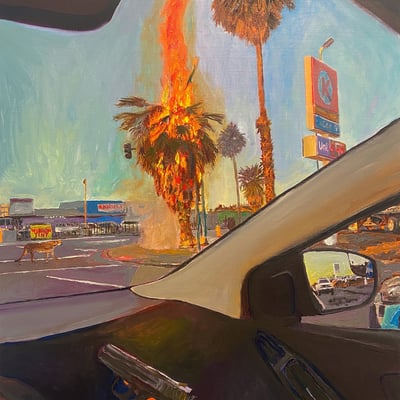
Caroline Rose Gentling the Horse at the Walt Whitman Mall
Released Oct 23, 2026 SUCK Records
Consensus forming 3 professional reviews Updated Oct 27, 2026
Strong critical consensus
Consensus is still forming across 3 professional reviews. Caroline Rose's Gentling the Horse at the Walt Whitman Mall turns suburban unease and everyday pressures into a gleefully unruly case for individuality, earning a 90.67/100 consensus score across three professional reviews.
How ChoruScore worksCritics' Top Tracks
The songs critics returned to most
Notes to Teenage Self
1 critic mention
“It was a great way to end my favorite track on the record (so far).” — Altrevue
Goddamn Train
2 critic mentions
“On “Goddamn Train,” one of several tracks harnessing a mile-a-minute momentum, they build a delirious punk tantrum around a litany of societal obligations” — Pitchfork
Yip Yip Yow
2 critic mentions
“Yip Yip Yow” leads the way by kicking the door in with overdriven guitars” — Altrevue
Full critic consensus
Caroline Rose's Gentling the Horse at the Walt Whitman Mall turns suburban unease and everyday pressures into a gleefully unruly case for individuality, earning a 90.67/100 consensus score across three professional reviews. Critics agree on the record's infectious blend of punk, pop, and alternative rock, where absurdist comedy gives way to genuine tenderness. Its scrappy energy makes room for lovable outsiders and imperfect selves, without smoothing away the anxieties of conformity, class, or consumer culture.
The best songs on Gentling the Horse at the Walt Whitman Mall include the shout-along independence of “Yip Yip Yow,” praised across reviews, and “Goddamn Train,” a frantic, sharply funny rush through social obligations. “Chow Mein” pairs a bopping beat with comic class anxiety, while “Notes to Teenage Self” trades the album's brashness for hushed vocals and earned warmth. One reviewer also singles out “Valery (please don’t be mad at me)” for Rose's soaring delivery. Though the critics emphasize different pleasures, from lacerating punk tantrums to tender closing moments, their verdict is consistently enthusiastic: Rose makes chaos feel generous, funny, and human. These reviews offer a strong case for listening, and a lively guide to the tracks that define the album.
Track Ratings
How critics rated each track, relative to this album (0-100). Only tracks that made critics feel something are rated.
Yip Yip Yow
Chow Mein
Valery (please don’t be mad at me)
Cement Head
Goddamn Train
Notes to Teenage Self
Conversation with Shiv (AKA liquid k song)
Hello Again, Jim
Calm
RIDE (!!!)
Everything in its Right Place
Get the next albums worth your time.
Critic-backed picks in one clean digest. No clutter.
What Critics Are Saying
Deep insights from 4 critics who reviewed this album
mu
Al
Critic's Take
Caroline Rose starts Gentling the Horse at the Walt Whitman Mall hard and fast, with the singles “Yip Yip Yow” kicking the door in and “Chow Mein” bringing a beat that simply bops. The best songs on Gentling the Horse at the Walt Whitman Mall include “Valery (please don’t be mad at me),” where Rose’s vocals soar, and “Goddamn Train,” which flies through a myriad of lyrics in just shy of two minutes. “Notes to Teenage Self” was my favorite track on the record, its hushed vocals and round-like layering a great way to end it. Rose lands the plane with “Everything in its Right Place,” and delivers another winner that effortlessly blends punk, pop, and alt.
Key Points
-
“Notes to Teenage Self” is the best song because the reviewer calls it their favorite and praises its hushed, layered vocals.
-
The album’s core strength is its effortless blend of punk, pop, and alt, with energetic rock tracks and quieter acoustic moments.
Themes

Critic's Take
Caroline Rose finally releases “Yip Yip Yow,” then makes it the lead track on Gentling the Horse at the Walt Whitman Mall, an album worthy of its nonsensical zeal. Loud and lacerating, the definitive version of “Yip Yip Yow” points the way to the record’s wackiest, funniest mode. “Goddamn Train” builds a delirious punk tantrum from societal obligations, while “RIDE (!!!)” sounds like it ought to be hollered into a bullhorn at an auto-parts junkyard. The best songs on Gentling the Horse at the Walt Whitman Mall find lovable fuck-ups and suburban dread in a cartoonish menagerie of delinquents.
Key Points
-
“Yip Yip Yow” is best because Rose finally delivers its definitive version, loud and lacerating, with all its nonsensical zeal intact.
-
The album’s core strengths are its absurdist humor, breakneck punk energy, and portraits of lovable outsiders amid suburban dread.
Themes

Critic's Take
Caroline Rose’s Gentling the Horse at the Walt Whitman Mall is a gloriously unhinged blast, and the best songs on the album turn comic disasters into infectious rallying cries. “Yip Yip Yow” is a full-throttle declaration of independence, while “Chow Mein” makes comic denial a masterclass in class anxiety. The furiously catchy “Goddamn Train” turns conformity into a frantic comedy of errors; then “Notes to Teenage Self” strips things back for a tenderness that feels earned rather than sentimental. Beneath the scrappy tunes and gleeful absurdity lies a generous argument for accepting life’s imperfections without pretending to have them all figured out.
Key Points
-
“Yip Yip Yow” is best for its manic, infectious call-and-response and full-throttle declaration of independence.
-
The album’s core strength is its balance of scrappy, catchy absurdity with tenderness and an affection for people who struggle, stumble and carry on.