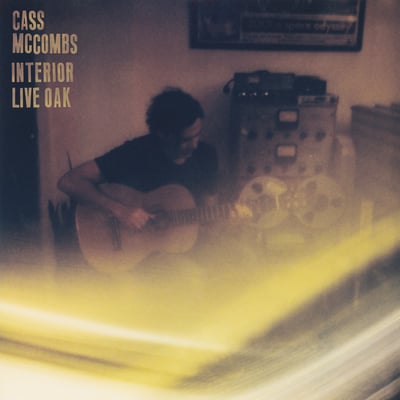
Cass McCombs Interior Live Oak
Released Aug 15, 2025 Domino Recording Co
Established consensus 11 professional reviews Updated Nov 29, 2025
Broadly positive consensus
Cass McCombs's Interior Live Oak arrives as a sun-soaked, storytelling triumph that marries melancholic balladry with sly genre-subversion.
How ChoruScore worksCritics' Top Tracks
The songs critics returned to most
Priestess
9 critic mentions
“You saw that each one of us/Are opaque as woven air/Your dark humor no one could touch/From experience no one could bear.” — Pitchfork
I Never Dream About Trains
9 critic mentions
“he has some gorgeous first-person moments, especially in the strands of untrustworthy denials that hold the lie at the center of “I Never Dream About Trains” so tenderly.” — Pitchfork
Juvenile
8 critic mentions
“It bursts forth in the everybody-sucks anthem “Juvenile,” an oddly comforting palate-cleanser” — Pitchfork
Full critic consensus
Cass McCombs's Interior Live Oak arrives as a sun-soaked, storytelling triumph that marries melancholic balladry with sly genre-subversion. Across 11 professional reviews the record earned a 79.36/100 consensus score, and critics consistently point to a handful of standout songs that anchor its strange, intimate world. Critics praised the album's balance of concise songs and extended experiments, its naturalistic jams, and McCombs' mastery of singer/songwriter craft.
Reviewers agree that the best songs on Interior Live Oak reveal McCombs at his most narratively specific and emotionally shrewd. “Priestess”, “Missionary Bell”, “I Never Dream About Trains”, “Peace” and “Juvenile” are repeatedly cited as highlights: “Priestess” and “Peace” earn praise for melody and elegiac weight, “Missionary Bell” for timeless simplicity, while “I Never Dream About Trains” and “Juvenile” balance plaintive intimacy with sly character detail. Critics note the album's recurring themes - California memory, unreliable narrators, nostalgia and place, and a mix of reverie and comic absurdity - and emphasize that its rewards grow with repeated listens.
While most reviews tilt positive, a few voices question the double-album's length and occasional looseness, suggesting a leaner sequence might sharpen impact. Still, the professional reviews coalesce around a clear critical consensus: Interior Live Oak is a richly detailed, unhurried collection that deepens McCombs' literary songwriting and offers several essential tracks. For readers asking whether Interior Live Oak is worth listening to, the consensus score and repeated praise for specific songs make a persuasive case to begin with “Priestess” and “Missionary Bell”.
Track Ratings
How critics rated each track, relative to this album (0-100). Only tracks that made critics feel something are rated.
Priestess
Peace
Missionary Bell
Miss Mabee
Home At Last
I'm Not Ashamed
Who Removed The Cellar Door?
A Girl Named Dogie
Asphodel
I Never Dream About Trains
Van Wyck Expressway
Lola Montez Danced The Spider Dance
Juvenile
Diamonds In The Mine
Strawberry Moon
Interior Live Oak
Get the next albums worth your time.
Critic-backed picks in one clean digest. No clutter.
What Critics Are Saying
Deep insights from 11 critics who reviewed this album

Critic's Take
Ben Beaumont-Thomas writes with a steady, appreciative eye that crowns the best songs on Interior Live Oak as deeply felt ballads and vivid vignettes. He singles out “Missionary Bell” as the very best of the ballads, its melody so simple and expressive it feels timeless. He also highlights “Priestess” and “I Never Dream About Trains” as tear-jerking, specific songs that anchor the record. In his tone the album’s 74 minutes feel unhurried and generative rather than bloated, which is why listeners asking about the best tracks on Interior Live Oak should start with “Missionary Bell”, “Priestess” and “I Never Dream About Trains”.
Key Points
-
Missionary Bell is the best song for its simple, timeless, and deeply expressive melody.
-
The album's core strengths are unhurried, vividly detailed songwriting and a palette that blends classic American backings with strange, poetic particulars.
Themes

Critic's Take
On Interior Live Oak Cass McCombs finally delivers what the opener promises, a stone-cold classic where the pieces fit together seamlessly. The reviewer's voice singles out “I Never Dream About Trains” and “Missionary Bell” as two all-time top ten McCombs songs, and it praises extended experiments like “A Girl Named Dogie” and the closing title track for variety and scope. He notes the album's range is greater than before, its songs more aligned - hooks that sink deeper with repeated listens. In short, the best McCombs album so far, and a strong candidate for one of the decade's best traditional singer/songwriter records.
Key Points
-
The best song is praised for being a 'subtly devastating lament' with all-time top ten potential.
-
The album's core strengths are its range, cohesion, and the mix of concise songs with extended experiments that reward repeated listens.
Themes

Critic's Take
Cass McCombs sounds at the top of his form on Interior Live Oak, where the best songs - notably “Priestess” and “Peace” - glide between mythic character studies and razor-sharp, pleasurable melodies in the author’s sly, literate voice. The reviewer's tone luxuriates in comparisons and particulars, noting how “Priestess” glimmers with vintage touch and how “Peace” foregrounds a single line into elegiac weight, making clear answers to searches for the best tracks on Interior Live Oak. This record feels like settled mastery, every standout - from “Who Removed The Cellar Door?” to “A Girl Named Dogie” - showcasing McCombs’s knack for narrative, melody, and surprising emotional punches.
Key Points
-
“Priestess” is the best for its glimmering, classic-sounding arrangement and vivid lyrical lines.
-
The album’s core strengths are literate character studies, immaculate melodies, and a settled, confident American-vernacular production.
Themes

Critic's Take
Cass McCombs's knack for sly genre-subversion and gleeful specificity makes Interior Live Oak a pleasingly eccentric record, and the review points directly to its best tracks. The reviewer crowns “Peace” as the album's standout, praising its propulsive guitar, fist-pumping chorus, and an all-timer solo. Yet songs like “Priestess”, “A Girl Named Dogie”, “Miss Mabee” and “Juvenile” are celebrated for their odd humor, vivid characters and beguiling melodies. The critic emphasizes that the acoustic numbers - notably “Missionary Bell” and “Diamonds in the Mine” - display McCombs' unabashed balladeer strengths and emotional craft.
Key Points
-
“Peace” is best for its propulsive guitar, succinct chorus, and an emotionally frayed all-timer solo.
-
The album’s core strengths are McCombs' genre-subverting humor, vivid storytelling, and well-crafted acoustic balladry.
Themes

Critic's Take
The reviewer singles out the album’s highlights with a skeptic’s affection, noting that on Interior Live Oak Cass McCombs’s best songs - especially “I Never Dream About Trains” and “Priestess” - feel like confessions that still dodge full disclosure. The voice is mischievous and probing, praising performances while questioning lyrical honesty, and it makes clear why listeners search for the best tracks on Interior Live Oak. The tone is rueful and admiring, steering readers to those standout songs rather than to grand conclusions.
Key Points
-
The best song is persuasive because it pairs confessional vocal delivery with a lyric that provocatively claims honesty.
-
The album’s core strength is intimate, questioning songwriting that balances admiration with skeptical observation.
Themes

Critic's Take
The Californian songwriter’s Cass McCombs Interior Live Oak is at its best when the melodies and moods lock in, notably on “Priestess” and “Missionary Bell”. Oinonen revels in the album’s hypnotic hidden depths and unfiltered, bristly beauty, praising the unhurried glow of ballads and the nervy forward-momentum of “Peace”. The review’s voice balances admiration with a teasing reservation about length - the double-album sprawling richness feels classic yet makes you wonder if a leaner sequence might land harder. Overall, the best songs on Interior Live Oak are those that marry lived-in lyric detail with irresistibly strong hooks.
Key Points
-
The jagged chug and narrative detail make "Priestess" the album’s standout.
-
The album’s strengths are its melodic directness, varied moods, and live-in-the-room organic arrangements.
Themes

Critic's Take
Cass McCombs’s Interior Live Oak reads like a homecoming, and its best songs - notably “Priestess” and “Home at Last” - do the heavy lifting, balancing intimate storytelling with cinematic space. Willis’ voice favors economy and seasoned confidence, and he points to “Priestess” as an expansive, slow-burning opener while calling “Home at Last” the record’s quiet masterpiece. Other standout tracks like “Peace” and “Juvenile” shift mood with hypnotic guitar lines and a nervy pulse, respectively, reinforcing why listeners ask about the best tracks on Interior Live Oak. The review frames the album as rooted yet exploratory, which explains why fans search for the best songs on Interior Live Oak by starting with these highlights.
Key Points
-
“Home at Last” is the best song for its quiet, resonant melancholy and status as the reviewer’s called quiet masterpiece.
-
The album’s core strengths are concise, cinematic songwriting and a balance of storytelling and atmosphere rooted in McCombs’ personal perspective.
Themes
Fa
Critic's Take
One of the greatest feelings in the world is when your mood seamlessly coalesces with that of the music, and Cass McCombs achieves that on Interior Live Oak. Tom Taylor praises relaxed highlights like “Missionary Bell” and “A Girl Named Dogie”, noting the record is at its best when it leans into wistful reverie rather than bombast. The reviewer frames the album as sun-kissed, sepia-toned mood music that invites porch-side contemplation, with the defining track “Missionary Bell” singled out for its soft, sweet wistfulness. Overall the best songs on Interior Live Oak are those that sustain the album’s mellow, pastoral groove while allowing McCombs room to drift and charm.
Key Points
-
The reviewer deems “Missionary Bell” the defining and most affecting track for its soft, sweet wistfulness.
-
The album's core strength is its consistent, sun-kissed, naturalistic mood that invites relaxed, porch-side reverie.
Themes

Critic's Take
Cass McCombs sounds particularly watchful on Interior Live Oak, and the best songs - notably “Interior Live Oak” and “Juvenile” - excel because they mix mischief with melancholy in that unmistakable McCombs way. Victoria Segal’s prose relishes specifics: the title track is likened to a D&D blues-rock descent while “Juvenile” bristles with “ice-rink keyboards” and mock-ennobling adolescence, making them the standout moments. Subtler treasures like “Miss Mabee” and “Peace” repay repeated listening, their Elliott Smith hush and Go-Betweens valediction revealing themselves slowly. The review insists this is a record it is impossible to be casual about, and so the best tracks are those that transform listeners into mythic figures as much as they soothe them.
Key Points
-
The title track is best for its D&D blues-rock daring and startling sonic descent.
-
The album’s core strengths are allusive storytelling, unreliable narration, and subtle, slowly revealing arrangements.
Themes

Critic's Take
I, much like Cass McCombs, hear a restless, wistful California threaded throughout Interior Live Oak, and the best songs on the record - particularly “Asphodel” and “Lola Montez Danced The Spider Dance” - push that imagined landscape into sharp, strange relief. The reviewer's voice stays wry and observant, praising “Asphodel” for its snappy uptempo beat and fuzzed guitar while admiring the seven-minute Dylan-esque sweep of “Lola Montez Danced The Spider Dance”. Acoustic tenderness like “Home At Last” and the plainspoken charm of “I Never Dream About Trains” balance the record, making the best tracks stand out as narrative vignettes rather than conventional singles. Overall, the album's looseness and lived-in detail make its top songs feel like discoveries, music that rewards repeated listening and attention to lyric and texture.
Key Points
-
“Asphodel” is the best song because its uptempo beat and fuzzy guitars crystallize the album’s nostalgic underworld imagery.
-
The album’s core strengths are evocative storytelling, genre fluidity, and a lived-in sense of California memory.
Themes
