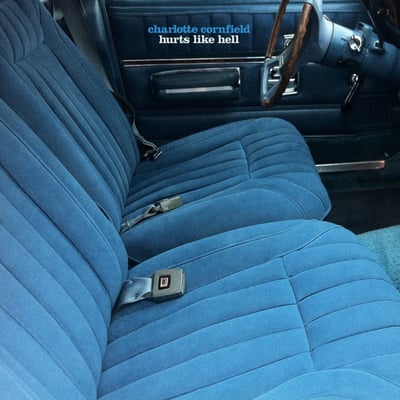
Charlotte Cornfield Hurts Like Hell
Released Mar 27, 2026 Merge Records
Established consensus 7 professional reviews Updated Oct 1, 2026
Broadly positive consensus
Charlotte Cornfield's Hurts Like Hell opens as a small, vivid songbook that turns domestic detail and steady folk rock into unexpectedly large feeling.
How ChoruScore worksCritics' Top Tracks
The songs critics returned to most
Hurts Like Hell
4 critic mentions
“The harmonies ( "Hurts Like Hell," "Lost Leader") and gentle echoes round out the songs” — Exclaim
Bloody and Alive
2 critic mentions
“Closing track "Bloody and Alive" finds a mother remembering looking into her child’s eyes” — Paste Magazine
Living With It (feat. Feist)
4 critic mentions
Full critic consensus
Charlotte Cornfield's Hurts Like Hell opens as a small, vivid songbook that turns domestic detail and steady folk rock into unexpectedly large feeling. Critics generally agree the record earns its warmth through intimacy and narrative precision, and the consensus score of 76.43 across 7 professional reviews points to a well-regarded, quietly resilient collection rather than a showy reinvention. The title track “Hurts Like Hell”, the duet “Living With It (feat. Feist)” and “Long Game” repeatedly surface as standout tracks, with repeated praise for Cornfield's lyric-driven storytelling and the album's understated arrangements.
Across reviews, praise centers on themes of growth, vulnerability, parenthood and perseverance - vignettes of porches, train rides and small revelations that reviewers say reward close listening. Critics note a tension between academic training and an embrace of feeling, with the record's looseness and formlessness reframed as deliberate choices that foreground intimacy and band camaraderie. Songs like “Bloody and Alive”, “Kitchen” and “Lucky” earn mentions for crystallizing the album's bittersweet love and coming-of-age reflections, while collaborative harmonies and live-in-room warmth are cited as production strengths.
Not all coverage is uniformly glowing; several reviews view the album's restraint as limiting its momentum, describing moments of non-progression even as they praise lyrical specificity. The critical consensus suggests Hurts Like Hell rewards repeat listens for those drawn to narrative folk rock and quietly powerful songs. For readers asking whether Hurts Like Hell is good, the aggregated reviews indicate it is a thoughtful, emotionally rich record that showcases Cornfield's songwriting and a handful of genuinely memorable tracks.
Track Ratings
How critics rated each track, relative to this album (0-100). Only tracks that made critics feel something are rated.
Before
Hurts Like Hell
Lost Leader
Lucky
Living With It (feat. Feist)
Number
Squiddd
Kitchen
Long Game
Bloody and Alive
Get the next albums worth your time.
Critic-backed picks in one clean digest. No clutter.
What Critics Are Saying
Deep insights from 7 critics who reviewed this album


Critic's Take
Charlotte Cornfield frames Hurts Like Hell as a slim, vivid songbook where small scenes bloom into big feeling, and the best tracks - “Hurts Like Hell”, “Living With It (feat. Feist)”, and “Long Game” - carry that emotional weight with graceful restraint. Melis’s prose highlights how “Hurts Like Hell” becomes an accidental feel-good anthem for opening up, while “Living With It (feat. Feist)” shows Cornfield shifting from plaintive to smitten with deft clarity. The review savors the quieter victories in “Long Game” and “Kitchen”, where lines land like small revelations, and even the opener and closer are praised for bookending the record’s perspective. Overall the critic emphasizes Cornfield’s storytelling and economical arrangements as the album’s core strengths, making clear which songs are the best tracks on Hurts Like Hell without overstating the case.
Key Points
-
“Hurts Like Hell” is the album’s emotional centerpiece, an accidental feel-good anthem about mustering courage to open up.
-
Cornfield’s core strengths are intimate storytelling and economical arrangements that let character-driven vignettes breathe.
Themes

Critic's Take
Charlotte Cornfield's Hurts Like Hell finds its best tracks in the quietly telling moments, notably “Hurts Like Hell” and “Long Game”, where tender duet vocals and vivid, specific memories make the case. Marcy Donelson's sentences linger on small, precise images - a porch scene, train rides - and those details propel why the best songs on Hurts Like Hell land so warmly. Overall the record reads as grateful and persevering, the kind of collection whose best tracks reward attention to lyric and texture.
Key Points
-
The duet on "Hurts Like Hell" stands out for its tender duet vocals and vivid porch imagery.
-
The album's core strengths are intimate, detail-rich lyrics and warm, collaborative arrangements.
Themes

Critic's Take
Charlotte Cornfield's Hurts Like Hell reads like a meditation on growth and the small holy moments of life, and the best songs - notably “Bloody and Alive” and “Lucky” - crystallize that tenderness with uncanny clarity. The record leans on collaborative harmonies and live-in-room warmth to lift vignettes into something larger, so the best tracks on Hurts Like Hell feel both intimate and expansive. In the same voice that praises her lyricism, the reviewer places “Hurts Like Hell” and “Lost Leader” among the album's warming centers, where harmonies and gentle echoes round out the songs. Overall, these standout moments make the album a resilient, unflinching look at beginnings and endings, sung from a higher, emotionally entered zone.
Key Points
-
The best song, "Bloody and Alive", is singled out as the album's most sacred and spellbinding emotional apex.
-
The album's core strengths are intimate storytelling, collaborative harmonies, and a candid meditation on motherhood and growth.
Themes

Fa
Critic's Take
Charlotte Cornfield is cast here as a musician who took formal training and then chose feeling over form, and on Hurts Like Hell the best songs reward that gamble. They also praise the title track “Hurts Like Hell” for being folk rock through and through, while noting “Lucky” brings heavier, energetic pop-rock ballast. Overall the piece answers the question of the best tracks on Hurts Like Hell by pointing readers toward those three moments as the album’s clearest pleasures.
Key Points
-
The reviewer names "Squiddd" the stand-out for its tender, band-focused lyricism.
-
The album’s strength is its warm, atmospheric folk-rock that favors feeling over rigid form.
Themes

Critic's Take
Charlotte Cornfield’s Hurts Like Hell is quiet, ruminative and wound-tight, and the best songs on the album linger in memory rather than resolution. The reviewer's voice lifts tracks like “Lucky” and “Living With It (feat. Feist)” as moments where Cornfield’s songwriting is most affecting, phrasing tenderness as small, precise revelations. In the same register, “Squiddd” is celebrated for its refrains that accumulate meaning with each verse, making it one of the best tracks on Hurts Like Hell. The record’s restrained Americana and persistent non-progression become strengths when foregrounding these standout songs, which trade spectacle for intimate clarity.
Key Points
-
“Living With It (feat. Feist)” is the best song because it is described as Cornfield’s most vulnerable, showcasing her strongest songwriting.
-
The album’s core strength is intimate, ruminative storytelling that favors emotional detail over dramatic progression.