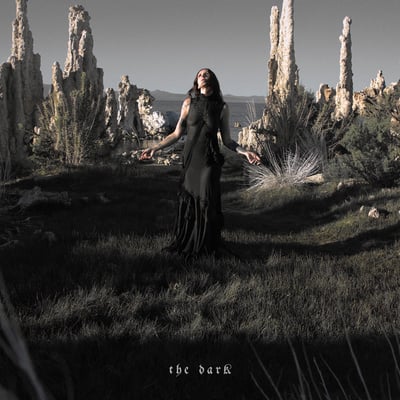
Chelsea Wolfe The Dark
Released Aug 21, 2026 Loma Vista Recordings
Established consensus 7 professional reviews Updated Oct 3, 2026
Mostly positive consensus
Chelsea Wolfe's The Dark stakes a bold claim on the gothic-folk landscape, trading some of her previous abrasions for clearer, often anthemic songwriting that critics say both expands and simplifies her world.
How ChoruScore worksCritics' Top Tracks
The songs critics returned to most
Cold
6 critic mentions
“Baby, when I’m next to you / Feels so cold / And it’s hard to sleep” — The Guardian
Seethe
6 critic mentions
“from its swaggering bassline to its witchy gloom-pop drama, Seethe bolsters the idea that this is Chelsea’s most accessible work so far” — Kerrang!
The Dark
7 critic mentions
“The acoustic-led title-track and I’m Not There mine the deepest veins of country music and produce gold” — Kerrang!
Full critic consensus
Chelsea Wolfe's The Dark stakes a bold claim on the gothic-folk landscape, trading some of her previous abrasions for clearer, often anthemic songwriting that critics say both expands and simplifies her world. Across seven professional reviews the record earned a 72.57/100 consensus score, with reviewers repeatedly pointing to a handful of standout tracks that anchor the album's emotional center.
Critics consistently praise “Cold”, “The Dark” and “Seethe” as the clearest examples of Wolfe's renewed focus: “Cold” is described as a yearning, piano-led ballad and album-opening statement, “The Dark” functions as a warming, acoustic-led centerpiece, and “Seethe” supplies the record's grungy swagger and memorable bassline. Other frequently cited highlights include “Death Is Not The End” and “Turn the Key”, which reviewers credit with rusted doom or Portishead-tinged grooves that prevent the collection from feeling monolithic. Reviewers note recurring themes of darkness and light, confronting inner shadows, grief and renewal, and a cinematic desert atmosphere that underpins the songwriting.
Still, professional reviews are divided about production and ambition. Several critics fault muffled mixes and a move toward conventional, cleaner production for muting dynamic contrast and flattening some songs, while others welcome the accessibility and clearer arrangements as evidence of metamorphosis and resilience. The critical consensus suggests The Dark contains essential moments and standout songs that make it worth exploring, even if its subtler palette leaves some long-time fans longing for greater extremes. Read on for in-depth reviews and track-by-track reactions to where Wolfe's gothic-folk reinvention succeeds and where it frays.
Track Ratings
How critics rated each track, relative to this album (0-100). Only tracks that made critics feel something are rated.
Cold
Seethe
Humours
Swallower
Halo
The Dark
Turn the Key
I’m Not There
Death Is Not The End
Dancer in the Sky
Get the next albums worth your time.
Critic-backed picks in one clean digest. No clutter.
What Critics Are Saying
Deep insights from 10 critics who reviewed this album

Critic's Take
Chelsea Wolfe has never sounded more herself than on The Dark, and Olly Thomas pins the best songs as clear pillars: “Cold” is a genuinely remarkable ballad, while the acoustic-led title track and “I’m Not There” mine the deepest veins of country music to produce gold. He praises “Seethe” for its swaggering bassline and witchy gloom-pop drama, arguing these best tracks on The Dark make it both distinct and surprisingly accessible. The reviewer keeps a confessional, observant tone throughout, letting those standout songs illuminate Wolfe's metamorphosis and charismatic vocal presence.
Key Points
-
Olly Thomas singles out "Cold" as the album's emotional and melodic high point.
Themes

Critic's Take
Chelsea Wolfe returns on The Dark with a record that savours sorrow and revelation, where the best tracks - “Cold” and “The Dark” - anchor the album in haunted, meticulously crafted atmosphere. The opener “Cold” immediately places us into Wolfe’s gothic-folk realm, its piano and drums immersing you in the sensory world of The Dark. Title track “The Dark” is frightening yet euphoric, Wolfe guiding us through gusts of wind and waves with a humming acoustic and steady drums. Elsewhere, songs like “Seethe” and “Death Is Not The End” expand the palette, building into grand, sludge-tinged jolts that keep the album taut and transcendent.
Key Points
-
The best song, particularly “Cold”, is effective because it immerses the listener immediately in Wolfe’s expanded gothic-folk realm.
-
The album’s core strengths are its balance of sonic softness and guitar-driven heaviness, and its sustained mood of grief, introspection and spectral atmosphere.
Themes

Critic's Take
In his measured, descriptive voice Dave Simpson argues that Chelsea Wolfe's The Dark hinges on songs like “Cold” and “Dancer in the Sky”, which pivot her gothic moorings toward accessible, anthemic drama. He frames “Cold” as a yearning gothic ballad that sets the scene for a more universal record, and presents “Dancer in the Sky” as the album's near-epic, singalong centerpiece. The review keeps Wolfe's spectral past in view while crediting these best tracks for turning darker urges into songs that could fill arenas. Overall Simpson positions the best songs on The Dark as bridges between cult intensity and wider appeal.
Key Points
-
Dancer in the Sky is the album's near-epic, anthemic centerpiece with a chorus built for singalongs.
Themes

Critic's Take
Chelsea Wolfe returns with The Dark, and the best songs on The Dark - notably “Seethe” and “Turn the Key” - show her balancing menace and melody with striking effect. The reviewer’s ear catches “Seethe” as one of the most engaging pieces, its dark alternative-rock swagger and memorable basslines sounding almost playful while keeping Wolfe’s menace intact. Later, “Turn the Key” brings back thicker guitars and double vocals, progressing effortlessly into one of the record’s favorites. Overall, the album’s title track unifies the record into a candid dark-folk centerpiece that evolves from plain introduction into something larger and more spacious.
Key Points
-
The reviewer names "Seethe" as the album’s most engaging track due to its memorable basslines and dark alternative-rock swagger.
-
The album’s core strengths are its balance of intimacy and expansion, cohesive concept, and effective blend of gothic rock, doom, and electronic textures.
Themes

Critic's Take
Chelsea Wolfe arrives on The Dark as a practitioner of prestige goth, often grander and more direct than before, and the record’s best songs - notably “Humours” and “The Dark” - are where that ambition pays off. The reviewer’s voice lingers on moments of vivid instrumentation and lyric specificity, praising “Humours” for its visceral imagery and sudden group-shrieking while noting the title track’s warmer pulse of noise in the woods. There is admiration for Wolfe’s clearer perspective and technical sharpness, even as plain language and conventionally beautiful delivery sometimes blunt emotional edges. Overall, the best tracks on The Dark succeed by marrying subtle instrumentation with direct confession, making them the standout moments on an album of strategic solitude.
Key Points
-
The best song, "Humours," is the album's emotional peak due to vivid imagery, startling production, and a triumphant vocal proclamation.
-
The album's core strength is its technical sharpness and subtle instrumentation that communicate emotional aftermath despite plain language in some lyrics.
Themes
An
Critic's Take
Chelsea Wolfe returns on The Dark with a record that favors subtler, folky melancholy over abrasive heft, and the best tracks - most notably “Cold” and “Death Is Not The End” - showcase her knack for tearjerking melodies and strong hooks. The reviewer's voice praises the album's lush opener “Cold” as stormy and addictive, while the stripped-back title track and closer “Dancer in the Sky” reveal Wolfe's solemn, orchestral flair. Mid-album cuts like “Seethe” and “Swallower” inject brooding rock energy and electro pulses, and the earworm “Halo” underlines Wolfe's emotive vocal power. Overall, The Dark is presented as possibly her most accessible work, a cohesive, addictive platter that will grow with repeated listens.
Key Points
-
“Cold” is the album’s best track for its stormy opener status and strong, tearjerking hooks.
-
The album’s core strengths are accessible, tightly written songs marrying goth-folk melancholy with synth-driven textures and emotive vocals.
Themes
Th
Critic's Take
Chelsea Wolfe's The Dark often opts for clean, almost commercial production while still delivering moments of real power. The best songs on The Dark, “Swallower” and “Cold”, land hardest, with “Swallower” delivering a stunning, howling center and “Cold” offering a compelling piano portrait of a one-sided relationship. Tracks like “Seethe” and “Turn the Key” add needed variety through sparse electronics and grungy atmosphere, but the overall move toward convention makes the album feel less adventurous. For listeners wondering about the best tracks on The Dark, start with “Swallower” and “Cold” as gateway entries into this record.
Key Points
-
The best song is “Swallower” because of its stunning two-note guitar lead and howling vocals.
-
The album's core strengths are clean, cinematic production and a handful of standout, gateway-friendly songs.
Themes

Critic's Take
In a measured, sometimes scathing tone the reviewer finds Chelsea Wolfe's The Dark mostly drab, yet flags a few best tracks worth hearing: “Turn the Key” and “Death Is Not The End”. The writer criticises the muffled mixing and low electric-guitar presence, arguing these production choices blunt the album's intended contrasts and leave many songs limp. Praising the rusted doom of “Death Is Not The End” and the Portishead-tinged shuffle of “Turn the Key”, the review still concludes the record fails to sustain stakes across its ten tracks.
Key Points
-
The best song is "Death Is Not The End" because it raises stakes with a doom-rock spiral and effective dynamic shift.
-
The album's core strength is occasional strong compositions and moments of melodic beauty, undermined by poor mixing and muted production.
Themes

Critic's Take
In this ninth album The Dark, Chelsea Wolfe uses slow, simmering arrangements to make her best songs feel like small revelations. The opener “Cold” soars with melancholy, while “I’m Not There” is a tellingly potent, rather beautiful confession - both are among the best songs on The Dark. “Halo” and “Death Is Not The End” further anchor the record, the latter a slow, whispered powerhouse about seeing and letting go. The result is a candle-lit creation out of the black that balances gothic drama with aching intimacy, delivering clear best tracks for listeners seeking the album's darker rewards.
Key Points
-
The best song is "Death Is Not The End" for its whispered power and thematic resonance with letting go.
-
The album's core strengths are slow, simmering arrangements and gothic, melancholic songwriting that balance drama with intimacy.