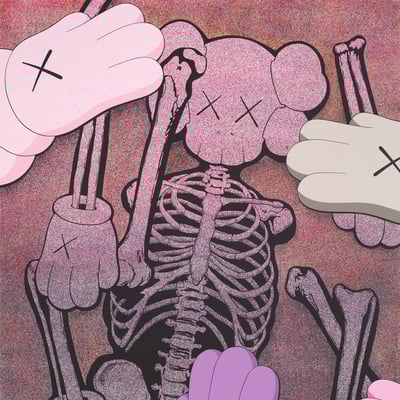
Clipse Let God Sort Em Out
Released Jul 11, 2025 Roc Nation Distribution
Established consensus 9 professional reviews Updated Nov 23, 2025
Broadly positive consensus
Clipse's Let God Sort Em Out returns the Virginia duo to a public stage where faith, grief and streetcraft collide, and critics mostly agree it largely succeeds - earning a 78.33/100 consensus across nine professional reviews.
How ChoruScore worksCritics' Top Tracks
The songs critics returned to most
The Birds Don't Sing
8 critic mentions
“The sobering pump-fake of an opening track, ‘The Birds Don’t Sing’, says more about their reunion than any press release or pundit ever could.” — Clash Music
Chains & Whips
7 critic mentions
“The album’s potential top-shelf contenders form a tight three-way tie between ‘Mike Tyson Blow to the Face’, ‘Chains & Whips’ with Kendrick Lamar , and ‘F.I.C.O.” — Clash Music
P.O.V.
7 critic mentions
“The production here, and throughout the album, is spotless, but somewhat unimaginative; "P.O.V." could have been produced anytime between "Fear of God" and "My Name Is My Name.” — Variety
Full critic consensus
Clipse's Let God Sort Em Out returns the Virginia duo to a public stage where faith, grief and streetcraft collide, and critics mostly agree it largely succeeds - earning a 78.33/100 consensus across nine professional reviews. Reviewers consistently point to standout tracks that crystallize the record's tension: “P.O.V.” (frequently named), “Chains & Whips” (noted for its Kendrick cameo), and opener “The Birds Don’t Sing” as emotional centerpieces that balance lyricism with Pharrell's trademark production. Those songs answer common queries about the best songs on Let God Sort Em Out and illustrate why the reunion matters for both legacy and craft.
Critical consensus frames the album as a mature, sometimes sleek comeback: praise lands on the brothers' brotherly chemistry, vivid coke-rap detail, and moments of personal vulnerability and grief, while several critics warn that polished Neptunes production occasionally slides into sterility. Across reviews, writers name Pharrell's production as a double-edged scaffold - it elevates hymnal moments and cinematic horn charts yet can mute the brittle menace that defined Clipse's earlier era. Reviewers agree the record rewards repeat listens for its lyrical mastery and spiritual wrestlings, even when the self-mythology and industry spectacle feel heavy-handed.
Nuance arrives in assessments of vitality versus craftsmanship. Some critics hail Let God Sort Em Out as an essential, emotionally resonant comeback that ranks among the year's best for the duo; others describe it as brilliantly crafted but emotionally controlled rather than cathartic. Taken together, the professional reviews suggest the album is worth listening to for definitive tracks like “P.O.V.”, “Chains & Whips” and “The Birds Don’t Sing” and secures Clipse's reunion as a consequential, if occasionally self-serious, chapter in their career.
Track Ratings
How critics rated each track, relative to this album (0-100). Only tracks that made critics feel something are rated.
The Birds Don't Sing
Chains & Whips
P.O.V.
So Be It
Ace Trumpets
All Things Considered
M.T.B.T.T.F.
E.B.I.T.D.A.
F.I.C.O.
Inglorious Bastards
So Far Ahead
Let God Sort Em Out/Chandeliers
By The Grace Of God
Get the next albums worth your time.
Critic-backed picks in one clean digest. No clutter.
What Critics Are Saying
Deep insights from 10 critics who reviewed this album

Critic's Take
Petridis writes with the same clear, measured authority he uses across the review, noting how Pusha T’s relentlessness and Malice’s reflective return make songs like “POV” and “Ace Trumpets” highlight the duo’s technical brilliance. He singles out Pharrell’s inspired production - from the obstinate drive of “E.B.I.T.D.A.” to the atonal horn of “Inglorious Bastards” - as central to why the best tracks on Let God Sort Em Out land so forcefully. The overall verdict is emphatic: familiar but fresh, the album ranks among the year’s best because its standout songs combine vivid storytelling with inspired beats.
Key Points
-
The best song work (notably "POV" and "Ace Trumpets") showcases Pusha T’s relentlessness and Malice’s reflective return, combining vivid storytelling with technical brilliance.
-
The album’s core strengths are Pharrell’s inspired production and Clipse’s chemistry, yielding a record that feels familiar but unmistakably fresh.
Themes

Critic's Take
In his measured, detail-rich voice Niall Smith presents Clipse’s Let God Sort Em Out as a resurrection, arguing the best songs - notably “The Birds Don’t Sing” and “P.O.V.” - crystallise the album’s emotional core and golden-age energy. Smith leans into grief and maturity, praising the choir-backed opener for its gut-punch resonance and singling out “P.O.V.” as a kinetic standout, while noting a tight trio of top contenders that also includes “Chains & Whips”. The narrative keeps faith with the duo’s history, crediting Pharrell’s production and guest turns for lifting the record even when a few hooks falter. This framing answers searches for the best tracks on Let God Sort Em Out by foregrounding the album’s emotional opener and its hard-hitting collaborations as the prime picks.
Key Points
-
The best song is the choir-backed opener “The Birds Don’t Sing” because its personal, grief-laced lyrics and vocal arrangements crystallise the reunion's emotional core.
-
The album’s core strengths are tight collaborations and Pharrell’s production, pairing lyrical density with golden-age energy and mature themes of loss and perspective.

Critic's Take
Clipse return with Let God Sort Em Out, an album that balances prayer and pain and makes tracks like “The Birds Don’t Sing” and “Let God Sort Em Out/Chandeliers” feel central to its argument. The reviewer lingers on the brothers' candid grief and Pharrell’s unpredictable production, noting how songs such as “Chains & Whips” and “Inglorious Bastards” move between dissonant urgency and minimal eccentricity. There is a sustained empathy for Pusha T and Malice’s confessions, and the record’s best songs earn their weight by marrying ruthless street detail with sincere spirituality. The result is an album whose best tracks reveal both the addictive call of past life and a hard-won search for grace.
Key Points
-
“The Birds Don’t Sing” is the best song because its frank grief and vocal performances anchor the album emotionally.
-
The album’s core strengths are Pharrell’s unpredictable production and the duo’s balance of prayerful introspection with raw street detail.
Themes

Critic's Take
Clipse return with Let God Sort Em Out, and the review shows the best songs - like “P.O.V.” and “E.B.I.T.D.A.” - prove why this reunion matters. The writer emphasizes Malice's honesty on “P.O.V.” and the veteran swagger on “E.B.I.T.D.A.” as central strengths, arguing the brothers have matured rather than rehashed their past. Production by Pharrell and high-profile guests (Nas on the title track) are cited as scaffolding that lets the songs breathe and the best tracks stand out. Overall the narrative presents these standout songs as the core evidence that this is Clipse's finest work to date.
Key Points
-
The best song is led by “P.O.V.” because Malice's candid bars crystallize the album's emotional core.
Themes

Critic's Take
Clipse return with Let God Sort Em Out, and the review makes clear the best songs - notably “So Be It” and “Ace Trumpets” - showcase the duo's precision and fraternal mastery. While the album is ruthlessly controlled and often stylish, the critic warns that occasional sterile production and heavy-handed mythology keep it from being a full-blown classic. Overall, the record rewards longtime fans with masterful rapping and high points that qualify as the best tracks on the album without reinventing their sound.
Key Points
-
The best song is a tie between "So Be It" and "Ace Trumpets" for their precision and fraternal chemistry.
-
The album's core strengths are razor-sharp rapping, immaculate production, and enduring brotherly chemistry despite occasional sterility.
Themes


Critic's Take
Clipse return on Let God Sort Em Out with a record that balances elegy and bravado, and the best songs - “The Birds Don’t Sing”, “Chains & Whips” and “P.O.V.” - show why. The opener “The Birds Don’t Sing” is a genuinely moving rap about loss, set over contemplative piano, while “Chains & Whips” reasserts their lethal chemistry with a squeaky Pharrell beat and a scene-stealing Kendrick cameo. Elsewhere, “P.O.V.” and the acronym tracks like “E.B.I.T.D.A.” and “F.I.C.O.” remind you they remain ice-cold lyrical kingpins, marrying luxury-wordplay to vivid storytelling. This is a mature Clipse album that often reads like a top-notch Pusha solo with meaningful Malice counterpoints, and that tension is part of its strength.
Key Points
-
“The Birds Don’t Sing” is best for its genuine, vulnerable eulogy and contemplative piano that elevates it to a strong rap-about-moms contribution.
-
The album’s core strengths are precise, stylized lyricism and the blend of matured vulnerability with cold, luxury-wordplay craftsmanship.
Themes

Critic's Take
Clipse return with Let God Sort Em Out, an old-school comeback that leans into spectacle and coke-rap bravado while letting Pharrell add blockbuster polish. The review points to highlights like “P.O.V.” and “F.I.C.O.” as best tracks, where Clipse wipe the floor with guests and reclaim their venomous chemistry.
Key Points
-
The best song is driven by commanding guest sparring and Clipse’s sharpened chemistry, exemplified by “P.O.V.”.
-
The album’s strengths are Pharrell’s polished Neptunes production, theatrical spectacle, and Clipse’s vivid coke-rap lyricism.
Themes

Critic's Take
Clipse return on Let God Sort Em Out with moments that still sting, but the album often settles for craftsmanship over catharsis. The review holds up “A.C.E. Trumpets” and “P.O.V.” as clear best tracks, noting brass-heavy grandeur and a catchy staccato chorus that recall their peak. Kendrick Lamar’s appearance on “Chains & Whips” is called the album’s emotional centre, the one time the record feels dangerous and alive. Overall the record is composed and thoughtful, but too clinical to be the coronation it aimed for.
Key Points
-
Kendrick Lamar’s feature on "Chains & Whips" provides the album’s most dangerous, alive moment making it the standout.
-
The album’s core strengths are careful craftsmanship, lyrical detail and mature introspection tempered by a lack of raw impact.
Themes

Critic's Take
The best tracks on Let God Sort Em Out are the ones that still clang and snap - notably “Inglorious Bastards” and “All Things Considered” - moments where Clipse sound like masters mouthing off over skeletal beats. Paul Attard’s review finds the rest of the album overly varnished, a corporate reactivation that favors Balenciaga-ready sonics over the brittle menace that used to define them. The reviewer frames these highlights as glimpses of what the reunion could have been, while the record at large poses and expects applause rather than earning it.
Key Points
-
The best song(s) - notably "Inglorious Bastards" - succeed because they return to sparse, skeletal beats that let Clipse snap.
-
The album’s core strength is technical proficiency and sleek production, but it is undermined by self-serious branding and lack of vitality.