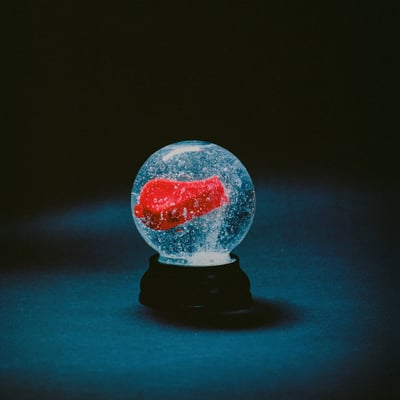
Darkside Nothing
Released Feb 28, 2025 Matador
Established consensus 6 professional reviews Updated Dec 10, 2025
Mostly positive consensus
Darkside's Nothing arrives as a restless, groove-first statement that alternates between thrilling invention and maddening incoherence.
How ChoruScore worksCritics' Top Tracks
The songs critics returned to most
S.N.C
5 critic mentions
“I did it for the rush / I did it for the time of my life," was a line ... They placed it in "S.N.C.” — Resident Advisor
American References
5 critic mentions
“the calm repetition of “Si no funciona, no me diga que funciona,” on “American References” — Pitchfork
Sin El Sol Noy Hay Nada
2 critic mentions
“DARKSIDE may never explicitly detail the dystopian hellscapes they're imagining, but you feel what they mean on "Sin El Sol Noy Hay Nada.” — Resident Advisor
Full critic consensus
Darkside's Nothing arrives as a restless, groove-first statement that alternates between thrilling invention and maddening incoherence. Across six professional reviews, critics point to a handful of standout moments—“S.N.C.”, “American References” and the two-part “Hell Suite”—as the record's richest rewards, tracks that crystallize the duo's knack for fusing guitar-led blues, Latin percussion and improvised electronic textures.
The critical consensus is measured: Nothing earned a 67.67/100 across six professional reviews, with reviewers consistently praising the album's new percussion textures, rhythmic growth and intoxicating grooves while flagging a lack of cohesion and occasionally confrontational vocal choices. Critics noted that drums add unexpected structure, turning improvisation into disciplined momentum on songs like “Sin El Sol Noy Hay Nada” and “S.N.C.”, where slap bass, samba pulses and shifting sections make these the best songs on Nothing. Reviewers agree the record's genre-bending impulses—jazz, blues, experimental electronica—yield high points that are frequently more compelling than the whole.
Nuance matters: some critics celebrate the album's audacious experiments and audiophile production, describing moments of noise and catharsis that feel essential, while others find the same unpredictability scattershot, undermining emotional throughlines. For readers wondering "is Nothing good" or seeking the best songs on Nothing, the consensus suggests selective listening: the album rewards repeat plays for its standout tracks, even if the collection as a whole divides opinion. Below, detailed reviews unpack where Darkside's improvisational risks pay off and where they falter.
Track Ratings
How critics rated each track, relative to this album (0-100). Only tracks that made critics feel something are rated.
SLAU
S.N.C
Are You Tired? (Keep on Singing)
Graucha Max
American References
Heavy Is Good For This
Hell suite, Pt. I
Hell suite, Pt. II
Sin El Sol No Hay Nada
Get the next albums worth your time.
Critic-backed picks in one clean digest. No clutter.
What Critics Are Saying
Deep insights from 7 critics who reviewed this album
mu

Critic's Take
Darkside have never sounded so intent on preserving the push-and-pull of guitar and electronica as on Nothing, where tracks like “S.N.C.” and “Are You Tired? (Keep on Singing)” crystallize their funkier, riff-driven side. The album opens with drum-accented atmosphere on “SLAU”, and the addition of percussion gives many songs a firmer structure without blunting the duo's vaporous textures. “Hell suite, Pt. I” surprises with a rhythmically engaging, almost suite-like momentum, while the closer “Sin El Sol No Hay Nada” pushes the duo's noise tendencies into ear-shattering territory.
Key Points
-
The album's core strength is its seamless fusion of Harrington's bluesy, vintage guitar riffs with Jaar's airy electronica and added percussion for structure.
Themes

Critic's Take
DARKSIDE's Nothing lands as a restless, improvisational record where the best songs - notably “S.N.C” and “American References” - cleave to groove while flirting with chaos. The reviewer's ear lingers on “S.N.C”, praising its saturated soul sample chopping and Beatles-y piano vamps, and on “American References” for its scraps of guitar and Latin percussion that make it irresistible in sunlight. The voice here is appreciative and nerdy, noting that these standout tracks retain immediacy amid heady experimentation. Overall, the best tracks on Nothing are those that balance familiar grooves with the record's off-kilter impulses, making them the songs you return to first.
Key Points
-
The best song, “S.N.C”, is the album's highlight for its sample-chopping, piano vamps and immediate groove.
-
The album's core strength is balancing heady, improvisational experiments with embodied, sunlit grooves.
Themes

Critic's Take
Darkside return on Nothing with a bracing, textured pop tilt that nonetheless keeps their nocturnal menace intact. The reviewer keeps circling back to the record’s best tracks - “Hell suite, Pt. I” and “Hell suite, Pt. II” - for their eerie calm and unsettling vocal turns, while “Are You Tired? (Keep on Singing)” is highlighted for bursting into ecstatic jam. Jaar’s voice, always manipulated and fractured, becomes a central instrument across the best songs, turning frustration and dread into something almost funky. The result is an album whose best tracks feel both timely and viscerally immediate, pieces that answer the question of the best songs on Nothing by delivering atmosphere, melody, and a little righteous fury.
Key Points
-
The best song is a Hell Suite part for its eerie, narcotic calm and memorable vocal lines.
-
The album’s core strengths are textured production, inventive vocal manipulation, and a warped pop sensibility that registers political unease.
Themes
Re
Critic's Take
The review keeps its critical eye, conceding cheesiness in “S.N.C.” while celebrating tenderness on “Hell Suite Pt II” and the visceral payoff of “Are You Tired? (Keep On Singing)”. In Jagota's voice, these are the best tracks on Nothing because they balance kinetic invention with emotional clarity.
Key Points
-
The album's core strengths are new percussive textures, a balance of tenderness and kinetic improvisation, and politically engaged lyricism.
Themes
Fa
Critic's Take
Darkside's Nothing is most rewarding when it leans into groove-led experiments, with “Graucha Max” and the two-part “Hell Suite” standing out as the album's best tracks. He makes clear that the album's unpredictability produces dazzling moments, even as the lack of cohesion undermines the listening experience overall.
Key Points
-
Graucha Max is best for its commanding samba-infused groove and consistent engagement.
-
The album's core strengths are inventive sound design and moments of jazz and danceable groove despite an overall lack of cohesion.
Themes
Th
Critic's Take
Hi everyone, Roughthony Nighttano here, and DARKSIDE's Nothing is at once daring and maddening, with best tracks like “S.N.C.” and “Are You Tired? (Keep on Singing)” offering the album's richest rewards. The record's high points - most notably the funky, evolving thrill of “S.N.C.” - showcase entrancing grooves, slap bass and shifting sections that make these the best songs on Nothing. Meanwhile “Are You Tired? (Keep on Singing)” trades immediacy for meditative progression and vivid mid-track 70s rock breaks, which is why listeners searching for the best tracks on Nothing should start there. Yet be warned: moments like the screamed lead on “SLAU” make parts of the album hard to stomach, which is very much part of this record's confrontational charm.
Key Points
-
The best song is “S.N.C.” because its evolving sections, slap bass and dance-groove fusion make it the record's most thrilling moment.
-
The album's core strengths are adventurous experimentation, genre fusion, and rhythmic growth, balanced against inconsistent and divisive vocal choices.