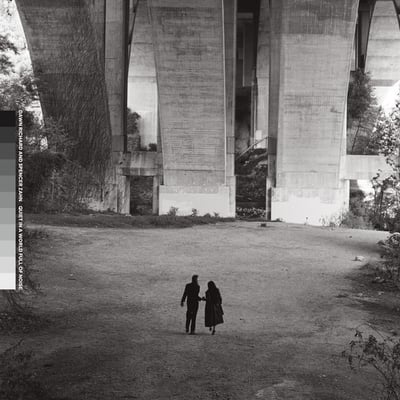
Dawn Richard Quiet in a World Full of Noise
Released Oct 4, 2024 Merge Records
Early read 2 professional reviews Updated Dec 31, 2025
Broadly positive consensus
Early read based on 2 professional reviews. Dawn Richard's Quiet in a World Full of Noise arrives as a study in absence and a careful repository of grief, where minimal production magnifies feeling and memory.
How ChoruScore worksCritics' Top Tracks
The songs critics returned to most
Life in Numbers
2 critic mentions
“Two times is the amount of texts I sent to Cisco before he got gunned down," she rasps” — Pitchfork
Traditions
2 critic mentions
“On "Traditions," she covers the mirror when it rains, lays a brick by the front door and wears her lucky Saints shoes” — Resident Advisor
Quiet in a World Full of Noise
2 critic mentions
“the title track, feature only Zahn's sparse, atmospheric piano, which rises to crescendo as Richard makes the decision to find stillness” — Resident Advisor
Full critic consensus
Dawn Richard's Quiet in a World Full of Noise arrives as a study in absence and a careful repository of grief, where minimal production magnifies feeling and memory. Across two professional reviews, critics point to the record's hushed intimacy and ritualized austerity as its defining strengths, answering the question of whether Quiet in a World Full of Noise is worth listening to with a largely affirmative critical consensus.
The album earned a 78.5/100 consensus score across 2 professional reviews, and reviewers consistently praise standouts such as “Life in Numbers” and “Traditions” for their grief-saturated clarity. Pitchfork highlights “Life in Numbers” as the moving centerpiece and admires how silence and space amplify emotion, while Resident Advisor singles out “Life in Numbers” and “Try” for their emotional precision. Critics note recurring themes of loss, trauma, healing, ritual, and memory; production choices favor minimal piano, soft dynamics, and moments where absence becomes expressive rather than empty.
While both reviews celebrate the album's intimate focus, they also register occasional unevenness - Pitchfork points to a misstep in “Diets” where bombast undermines the record's restraint. Still, the prevailing narrative frames the collection as a disciplined, often radiant work in which minimalism becomes an act of preservation and repair. For readers searching for a Quiet in a World Full of Noise review or wondering what the best songs on Quiet in a World Full of Noise are, critics consistently identify “Life in Numbers”, “Traditions”, “Try”, and “Stains” as the record's most affecting moments, making it a quietly essential listen in Richard's catalog.
Track Ratings
How critics rated each track, relative to this album (0-100). Only tracks that made critics feel something are rated.
Stains
Quiet in a World Full of Noise
Traditions
Diets
Stay
Life in Numbers
Moments for Stillness
The Dancer
Breath Out
To Remove
Ocean Past
Try
Get the next albums worth your time.
Critic-backed picks in one clean digest. No clutter.
What Critics Are Saying
Deep insights from 3 critics who reviewed this album

Re
Critic's Take
In Stephanie Phillips's quietly admiring voice, Dawn Richard and Spencer Zahn's Quiet in a World Full of Noise finds its strongest moments in hushed intimacy - tracks like “Life in Numbers” and “Try” stand out for their emotional clarity. Phillips lingers on the slow, minimal piano that lets Richard whisper personal losses on “Life in Numbers” and the closing warmth of “Try”, making them the best songs on the album. Overall, the record's best tracks reward patient listening, turning trauma into small, radiant possibilities.
Key Points
-
The best song, "Life in Numbers", is the most emotionally vivid, using delicate piano to unpack personal loss.
-
The album's core strength is its minimal piano-led arrangements that allow Richard's intimate, whispered vocals to convey trauma and hope.
Themes

Critic's Take
In her elegiac reading of Quiet in a World Full of Noise, Linnie Greene treats the record as a study in absence, praising tracks like “Life in Numbers” and “Traditions” for their hushed, grief-saturated intimacy. Greene’s sentences draw attention to the duo’s pared-back aesthetic, noting how the silence between Richard and Zahn amplifies feeling rather than filling it. The review names “Life in Numbers” as a moving centerpiece and lauds “Traditions” for its close, haunting portraiture, making these the best songs on Quiet in a World Full of Noise in her account. Even when she criticizes moments like “Diets” for awkward bombast, Greene frames the album overall as a glossy, sharp capture of mourning.
Key Points
-
The best song, "Life in Numbers," is best for its resonant piano, near-whisper vocal, and a raw specific lyric that anchors the album.
-
The album’s core strength is its austere intimacy, using silence and sparse piano to render grief with glossy, sharp clarity.