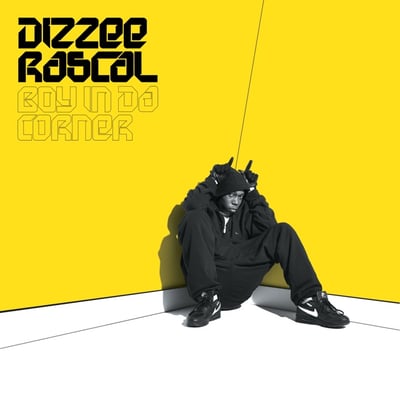
Dizzee Rascal Boy in da Corner
Released Jul 21, 2003 XL Recordings
Established consensus 13 professional reviews Updated Mar 22, 2026
Strong critical consensus
Dizzee Rascal's Boy in da Corner arrives as a combustible debut that rewires early-2000s UK urban music with jagged production and unflinching voice.
How ChoruScore worksCritics' Top Tracks
The songs critics returned to most
I Luv U
8 critic mentions
“The first single, ' I Luv U ' is a case in point - it's garage-rap, but not as we know it” — Drowned In Sound
Jus' a Rascal
7 critic mentions
“Patois-drenched jams like Jus’ A Rascal, 2 Far and Round We Go sound ripped directly from a pirate radio broadcast” — NOW Magazine
Fix Up, Look Sharp
6 critic mentions
“the stripped-down, rock ‘n roll tinged bass kicks and snare pops of the single "Fix Up, Look Sharp” — RapReviews.com
Full critic consensus
Dizzee Rascal's Boy in da Corner arrives as a combustible debut that rewires early-2000s UK urban music with jagged production and unflinching voice. Across 13 professional reviews the record earned a 90.62/100 consensus score, and critics consistently point to the album's mixture of youthful aggression, bleak social realism and inventive, grime-adjacent production as its defining strengths. Searches for "Boy in da Corner review" or "is Boy in da Corner good" most often land on the same evidence: the album's hardest-hitting moments are also its most revealing.
Reviewers repeatedly single out standout tracks as the record's anchors. “I Luv U” emerges across reviews as the emotional and sonic centerpiece, praised for visceral lyricism and PlayStation-bleep textures; “Fix Up, Look Sharp” earns notice for its monolithic drum loop and confrontational swagger; “Jus' a Rascal”, “Sittin' Here” and “Brand New Day” also surface as highlights that balance club-ready hooks with chilling vignette writing. Critics praise Dizzee's inventive flow, pirate-radio grit and minimalist, brutal production that trades polish for urgent authenticity, making many reviews answer the question "what are the best songs on Boy in da Corner" with these same tracks.
While professional reviews laud the record as original and necessary, some critics note limits: the album's abrasive minimalism and relentless bleakness can alienate listeners seeking melodic comfort. Still, the critical consensus frames Boy in da Corner as a landmark debut that captures urban desolation and youthful cunning, a record whose standout songs both attack and illuminate. Below, the full reviews unpack why this collection remains a must-hear document of early grime and UK garage decay.
Track Ratings
How critics rated each track, relative to this album (0-100). Only tracks that made critics feel something are rated.
Sittin' Here
Stop Dat
I Luv U
Brand New Day
2 Far (feat. Wiley)
Fix Up, Look Sharp
Cut 'Em Off
Hold Ya Mouf (feat. God's Gift)
Round We Go
Jus' a Rascal
Wot U On?
Jezebel
Seems 2 Be
Live O
Do It!
Get the next albums worth your time.
Critic-backed picks in one clean digest. No clutter.
What Critics Are Saying
Deep insights from 13 critics who reviewed this album

Critic's Take
In the reviewer's urgent, amused, and slightly incredulous voice, Dizzee Rascal's Boy in da Corner is best heard through its hardest-hitting moments, most notably “I Luv U” and “Hold Ya Mouf (feat. The result is shocking, unsettling and, when it works, exhilarating; these songs reveal why the record feels original and necessary.
Key Points
-
I Luv U is the best song for its mordant wit and vivid depiction of underage sex.
-
The album's core strength is its audacious, original production and Mills's frantic vocal delivery that render bleak urban life palpably unsettling.
Themes
Ti

Critic's Take
Often teetering between a grin and a sob, Dizzee Rascal makes Boy in da Corner startlingly powerful and multidimensional. The reviewer's ear is drawn to the swaying chime of “Brand New Day”, the low-slung industrial-punk grind of “Jus' a Rascal”, and the fragile, devastating cadence of “Do It!” — each track demonstrates why fans ask "what are the best tracks on Boy in da Corner" by pointing to these moments. The album's jagged productions and conflicted romantic entanglements amplify those best songs, making them the clearest windows into Dizzee's world. This debut feels tireless and full of unlimited dimensions, and those standout cuts are why listeners will seek the best songs on Boy in da Corner.
Key Points
-
The best song is "Do It!" because its fragile, devastating cadence provides the album's most affecting moment.
-
The album's core strengths are jagged, inventive production and a voice that balances boastfulness with vulnerability.
Themes
NO
Critic's Take
Dizzee Rascal sounds untethered and thrilling on Boy In Da Corner, the best tracks - “Jus' a Rascal”, “2 Far (feat. Wiley)” and “Round We Go” - rip like pirate radio broadcasts, dirty and unrefined. The reviewer revels in the album's mayhem and patois-drenched jams, arguing that Rascal made no effort to clean up for the mass market. This rawness, with belligerent rhymes over Galaga sound effects and shattering glass, is precisely what makes the best songs on Boy In Da Corner so exhilarating. Even if some finer points might land more clearly for a South London listener, the record's unapologetic grit is a triumph rather than a flaw.
Key Points
-
The best song is best because its patois-drenched, pirate-radio energy and raw rhyming exemplify the album's fearless authenticity.
-
The album's core strength is unapologetic grit: noisy, unrefined production and belligerent rhymes that resist commercial clean-up.
Themes

Critic's Take
Dizzee Rascal's debut Boy in Da Corner stakes an immediate claim for East London, and the review makes clear which are the best tracks: “I Luv U” and “Sittin' Here” emerge as the album's most affecting moments. The piece praises “I Luv U” as a visceral, captivating centerpiece and treats “Sittin' Here” as a haunting opener that frames the album's themes of youthful fragility. The reviewer foregrounds the sparse, ugly beats and rueful perspective that make these tracks stand out among the record's scavenger-sound production. This reads as an answer to queries about the best songs on Boy in Da Corner, naming clear highlights while staying true to the album's bleak, urgent voice.
Key Points
-
The best song is "I Luv U" because it is described as among the record's most captivating, visceral moments with fitting harsh bass.
-
The album's core strengths are its sparse, scavenger-sound production and rueful, observational lyricism that foreground youthful vulnerability.
Themes
Bo

Critic's Take
Dizzee Rascal sounds like he is wiring London to blow on Boy in da Corner, a debut that traffics in both menace and bleak wisdom. The best songs on Boy in da Corner are visceral - “I Luv U” shudders with spliffed hypertension and “Fix Up, Look Sharp” rides a stadium drum loop into silence - and they show why these tracks stand out. Louis Pattison’s voice dwells on the album’s brutality and strangeness, making searchers for the best tracks on Boy in da Corner land on these bruising highlights.
Key Points
-
“I Luv U” is best for its combustible vocal and foreboding production that crystallise the album’s emotional core.
-
The album’s core strengths are its brutal, singular production and the mix of youthful menace with odd flashes of wisdom.
Themes
Dr
Critic's Take
Dizzee Rascal maps a bleaker urban universe across Boy in da Corner, where the best songs - notably “I Luv U” and “Fix Up, Look Sharp” - hit like jolts of lucid reality. The reviewer's prose is blunt and vivid, praising “I Luv U” as garage-rap turned visceral and the Billy Squire-sampling “Fix Up, Look Sharp” as an irresistible stadium drumbeat that boasts and stings. He savours the album's contrasts, from the lovely, dread-tinged “Brand New Day” to the troubling empathy of “Jezebel”, and argues these tracks make the record alternately thrilling, poignant and disturbing. Overall, the critic frames the record as uncompromising and innovative, the best tracks crystallising Dizzee's dual gifts as MC and producer.
Key Points
-
The best song, “I Luv U”, is the standout for its forward-looking garage-rap production and raw, council-estate lyricism.
Themes

Critic's Take
Dizzee Rascal attacks Boy in da Corner with a frenetic aggression that makes the best tracks unforgettable.
Key Points
-
The best song, "Fix Up, Look Sharp," stands out for its rock-tinged bass kicks, snare pops, and crossover single appeal.
-
The album's core strength is inventive, varied production that balances frenetic vocal delivery with experimental, often abrasive beats.
Co
Critic's Take
Dizzee Rascal's Boy in da Corner lands as an almost relentlessly bleak but thrilling debut, where the best tracks - “Sittin' Here” and “Round We Go” - showcase his uncanny knack for pairing minimalist hooks with savage, poetic flow. Praise is heaviest where story and technique meet, notably on “Jezebel” and “Cut 'Em Off” - songs that exemplify the album's thematic insistence and structural inventiveness. Despite some repetitive hopelessness and an abrasive edge on songs like “Stop Dat”, the album reads as nearly all killer, no filler, an 18-year-old's startlingly mature statement.
Key Points
-
The album's core strengths are inventive flows, narrative lyricism, and a consistent, bleak atmosphere that gives the record unity.
Themes
En
Critic's Take
Dizzee Rascal carves out a claustrophobic world on Boy in da Corner, and the best songs - notably “I Luv U” and “Jezebel” - are the ones where his vignettes cut through the grime. The reviewer relishes Dizzee's surreal delivery and manic energy, praising how “I Luv U” dissects feckless men while “Jezebel” finds genuine sympathy. At the same time the record's amelodic minimalism and aural scuzz limit its accessibility, so the album's standout moments remain those with real emotional clarity. This makes searches for the best songs on Boy in da Corner point you toward those intimate storytelling tracks rather than the noisier experiments.
Key Points
-
The best song is "I Luv U" because its narrative clarity and mockery cut through the album's aural scuzz.
-
The album's core strength is its urgent, vignette-driven storytelling and the unsettling grime atmosphere.
Themes

Critic's Take
Dizzee Rascal's Boy in da Corner reads like a portrait of spiritual descent, and the best tracks on Boy in da Corner - notably “I Luv U” and “Fix Up, Look Sharp” - crystallize that tension. The reviewer revels in Dizzee's jagged, Old Dirty Bastard-meets-Busta Rhymes flow and the album's uncompromising, PlayStation-bleep textures, which make “I Luv U” into club manna and turn “Fix Up, Look Sharp” into a monolithic drum-break banger. Even quieter moments like “Sittin' Here” are freighted with ferocious social depression, so the standout songs work because they pair daring production with raw psychological detail. This is an indispensable, occasionally disorienting record whose best songs function as both attack and revelation.
Key Points
-
The best song, “I Luv U”, is best because its inventive PlayStation-bleep production turns intense subject matter into club manna.
-
The album's core strength is its uncompromising, adventurous production paired with Dizzee's jagged, emotionally raw lyricism.
Themes

Critic's Take
Dizzee Rascal sounds like a twenty-first-century street prophet on Boy in da Corner, raw, brash and strangely futuristic. The reviewer's ear latches onto “I Luv U” and “Wot U On?” as the signature tracks, praising Dizzee's jagged beats - PlayStation-made martial drums in “I Luv U” and videogame techno pound in “Wot U On?”. The voice is desperate and wound-up, the production jungly and harsh, and those songs crystallize his vision of virtual, violent street life. If you want the best tracks on Boy in da Corner that show where hip-hop meets techno, start with “I Luv U” and “Wot U On?”.
Key Points
-
The best song is “I Luv U” because its PlayStation-made martial beats crystallize Dizzee's futuristic, jagged sound.
-
The album's core strengths are its jungly, techno production and a desperate, distinctly British vocal that renders urban life as virtual and violent.