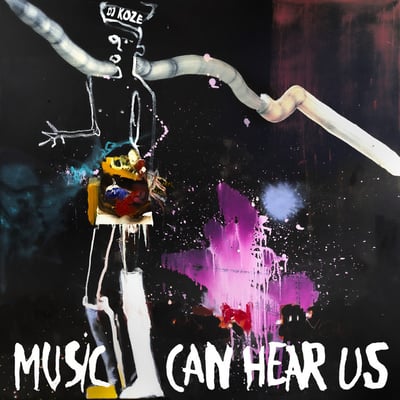
DJ Koze Music Can Hear Us
Released Apr 4, 2025 Pampa Records
Established consensus 5 professional reviews Updated Nov 30, 2025
Mostly positive consensus
DJ Koze's Music Can Hear Us arrives as a reflective, genre-hopping statement that often favors mood and texture over taut dance-floor immediacy.
How ChoruScore worksCritics' Top Tracks
The songs critics returned to most
Wie schön du bist
2 critic mentions
“the spiraling, sped-up vocal swirls of "Wie schön du bist" (featuring Arnim Teutoburg-Weiss and the Düsseldorf Düsterboys) hit so close to the heart?” — PopMatters
Pure Love
5 critic mentions
“on that level, it peaks, or hits bottom, with Damon Albarn giggling as he screws up a line on “Pure Love.” — Rolling Stone
Die Gondel
4 critic mentions
“Die Gondel, with longtime collaborator Sophia Kennedy, layers discombobulated baile funk atop what sounds like a sample of south Asian film music” — The Guardian
Full critic consensus
DJ Koze's Music Can Hear Us arrives as a reflective, genre-hopping statement that often favors mood and texture over taut dance-floor immediacy. Across five professional reviews, critics point to moments of radiant invention - notably “Pure Love”, “Die Gondel”, “Wie schön du bist”, and “Brushcutter” - even as they debate pacing, collaboration choices, and whether the record's length blunts its impact.
The critical consensus (71.6/100 from five reviews) frames the album as richly produced and pancultural, with reviewers consistently praising Koze's playful production, warm nostalgic touches, and rhythmic grounding when it arrives. PopMatters and Pitchfork celebrate the album's whispery charm and inventive mash-ups: “Pure Love” is singled out for its woozy, hooky drift and Damon Albarn's striking cameo, while Pitchfork also highlights whimsical standouts such as “The Universe in a Nutshell” and “Tu Dime Cuando”. The Guardian notes memoir-like collage and global influences on “Die Gondel”, crediting Koze's knack for turning diverse samples into surprising grooves.
Yet some reviewers temper that praise. Rolling Stone and Sputnikmusic find stretches of indulgence and uneven pacing, calling parts of the record shaggier than Koze's past peaks and critiquing certain collaborations for diluting the album's charm. The consensus suggests Music Can Hear Us is worth listening to for its standout tracks and moments of childlike wonder, even if the whole occasionally retreats into comedown ambience rather than constant propulsion. Read on for full reviews and closer takes on the best songs on Music Can Hear Us.
Track Ratings
How critics rated each track, relative to this album (0-100). Only tracks that made critics feel something are rated.
The Universe in a Nutshell
Pure Love
Der Fall
Wie schön du bist
Tu Dime Cuando
The Talented Mr. Tripley
What About Us
Unbelievable
A Dónde Vas?
Vamos A La Playa
Die Gondel
Brushcutter
Buschtaxi
Aruna
Umaoi
Get the next albums worth your time.
Critic-backed picks in one clean digest. No clutter.
What Critics Are Saying
Deep insights from 5 critics who reviewed this album

Critic's Take
Playfully swerving through house, Afrobeats, and wistful German-language pop, DJ Koze’s Music Can Hear Us feels like a giddy collision of good taste and what John Waters called “good bad taste”. The reviewer keeps returning to the album’s best tracks — “The Universe in a Nutshell” and “Tu Dime Cuando” — for their whimsy and inventive production, where harpsichord riffs and phantom bolero gestures upend expectations. With Damon Albarn’s candid turn on “Pure Love” and island-hopping cuts like “A Dónde Vas?”, Koze’s panculturalist ethos is clearer than ever, a record sculpted from curiosity and childlike wonder. The result is an album that rewards close listening, its best songs standing out as playful, warm, and slyly composed statements of intent.
Key Points
-
The opener "The Universe in a Nutshell" is best for its whimsical, meditative arrangement and playful payoff.
Themes

Critic's Take
DJ Koze makes a case that the best songs on Music Can Hear Us are the ones that sneak up on you - playful, strange, and oddly tender. He delights in the neon-gritty rush of “Brushcutter” and the sped-up heartache of “Wie schön du bist”, while “Pure Love” gives us that woozy, nearly stifled giggle. The record rewards repeated listens, revealing that these standout tracks are both fun and spiritually weighty, folding groove and weirdness into something irresistible.
Key Points
-
The best song is best because it turns unlikely influences into sheer fun while retaining emotional heart.
-
The album's core strengths are its inventive sampling, strong grooves, and the ability to reveal itself across repeated listens.
Themes

Critic's Take
DJ Koze sounds like a memoirist more than a dance-floor technician on Music Can Hear Us, and the best tracks - notably “Pure Love” and “Die Gondel” - prove his gift for warm, global collage. Shaad D'Souza writes in a conversational, slightly wry voice, noting how “Pure Love” runs Damon Albarn through Auto-Tune into hypnotic amapiano, and how “Die Gondel” layers baile funk with South Asian film-music samples. The record rewards listeners who enjoy hazy electropop mixed with thumping house, so queries about the best songs on Music Can Hear Us should start with those collaborative standouts. Even when the album is shaggier than 2018's Knock Knock, its warmth and adventurousness keep those tracks memorable and immediate.
Key Points
-
The best song is best because its high-profile collaboration and genre fusion make it an immediate, memorable standout.
-
The album’s core strengths are warm, global dance textures and a memoir-like, nostalgic throughline despite some shagginess.
Themes

Critic's Take
DJ Koze's Music Can Hear Us reads like a retreat and a comedown, playful and submersible yet often indulgent. The review praises the late surge of momentum on tracks such as “Die Gondel” and “Buschtaxi”, where handclaps, dive-bomb bass and dawn-driving energy briefly lift the album. Still, Michaelangelo Matos finds much of the record drifting in ornate frippery - the pleasures are lush but sometimes thin, which frames the best tracks as moments when rhythm finally arrives.
Key Points
-
The best song, "Die Gondel", is best because its handclaps, faux-flutes and bass drops finally open the record into something beguiling.
-
The album's core strength is lush, psychedelic production that builds rhythmic mass late, even if much of it feels indulgent.
Themes

Critic's Take
DJ Koze's Music Can Hear Us feels like a bloated, wearying journey rather than a collection of best tracks - the review singles out “Wie Schön Du Bist” as the clearest moment of excitement while warning that “Tu Dime Cuando” and “The Talented Mr. Tripley” sink the mid-album momentum. The writer's tone is unforgiving and specific, praising the organic-electronic palette of “Wie Schön Du Bist” but damning the album's collaborations and lack of whimsy.
Key Points
-
The best song is “Wie Schön Du Bist” because it provides the album's rare forward momentum and a rich blend of organic and electronic sounds.
-
The album's core strengths are moments of textured production and transportive atmosphere, but they are overwhelmed by poor pacing, weak collaborations, and an overall lack of whimsy.