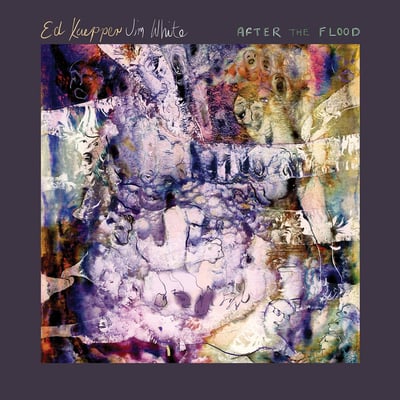
Ed Kuepper & Jim White After The Flood
Released Mar 21, 2025 Ed Kuepper & Jim White
Early read 2 professional reviews Updated Dec 10, 2025
Broadly positive consensus
Early read based on 2 professional reviews. Ed Kuepper and Jim White's After The Flood reconceive familiar material into a restless, live-wired statement that critics largely applaud.
How ChoruScore worksCritics' Top Tracks
The songs critics returned to most
Swing for the Crime
1 critic mention
“Swing for the Crimes,” comes from the final original line-up album” — Dusted Magazine
Demolition
1 critic mention
“Everything was laid down live.” — Tinnitist
Miracles
1 critic mention
“the broadest representation of what we did, with the most variety.” — Tinnitist
Full critic consensus
Ed Kuepper and Jim White's After The Flood reconceive familiar material into a restless, live-wired statement that critics largely applaud. Across professional reviews the record earned a 79/100 consensus score from two reviews, and the prevailing impression is of a collaborative reworking that favors raw immediacy over studio polish. Critics consistently note variety and reimagining as central strengths, with the sessions feeling more like stage enactments than carefully produced reproductions.
Reviewers point to specific standouts as evidence of that approach. “The Ruins” and “Demolition” are highlighted for capturing on-the-spot energy and the duo's chemistry, while “Swing for the Crime” (noted as the most fiercely preserved Saints fragment) emerges as a visceral reinterpretation that retains original tension. Dusted Magazine praises the way fragments and instrumental passages act as purposeful reinventions rather than simple nostalgia, and Tinnitist emphasizes the album's variety and live immediacy as what makes the best songs on After The Flood feel revelatory.
At once a study in diasporic roots and a test of legacy, the album balances reworking legacy material with bold collaborative impulses. Some critics register a lean toward rough-hewn performance over refinement, but the consensus among professional reviews is that the record's adventurous spirit makes After The Flood a worthwhile, sometimes essential, listen in Kuepper's catalogue. Scroll down for the full reviews and track-by-track notes that unpack how these reinterpretations land.
Track Ratings
How critics rated each track, relative to this album (0-100). Only tracks that made critics feel something are rated.
The Ruins
The Crying Dance
The Year of the Bloated Goat
The 16 Days
Demolition
Swing for the Crime
Collapse Board
Miracles
Get the next albums worth your time.
Critic-backed picks in one clean digest. No clutter.
What Critics Are Saying
Deep insights from 2 critics who reviewed this album

Critic's Take
Reading the piece, the critic frames those songs as the clearest evidence that Ed Kuepper & Jim White are interested in pushing boundaries rather than retreading comfortingly known ground.
Key Points
-
The album’s core strength is its boundary-pushing reinterpretation of older songs, favoring tension and reinvention over straightforward nostalgia.
Themes

Critic's Take
Ed Kuepper and Jim White turn After The Flood into a goldmine of reimagined songs, and the best tracks - notably “The Ruins” and “Demolition” - capture that live immediacy. The reviewer's voice revels in the pair's chemistry, insisting the album feels like what they did onstage, not something laboured over. It is the variety and the sense that everything was laid down live that makes the best songs on After The Flood feel immediate and revelatory.
Key Points
-
The best song succeeds by translating the pair's live immediacy into a reimagined studio performance.
-
The album's core strengths are its collaborative chemistry, live-laid performances, and stylistic variety.