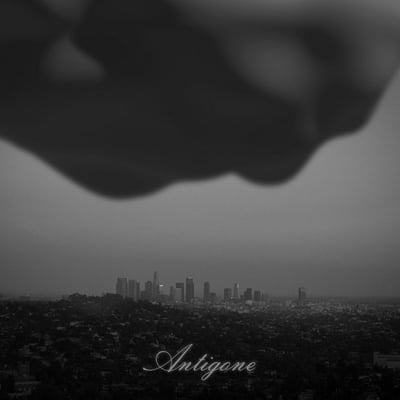
Eiko Ishibashi Antigone
Released Mar 28, 2025 Drag City
Consensus forming 4 professional reviews Updated Dec 9, 2025
Mostly positive consensus
Consensus is still forming across 4 professional reviews. Eiko Ishibashi's Antigone unfolds like a beautifully decaying film score, a collection where post-disaster imagery and foggy textures frame intimate, vocal-led songcraft.
How ChoruScore worksCritics' Top Tracks
The songs critics returned to most
The Model
2 critic mentions
“tracks on Antigone like “ The Model ” and “ Nothing As ” seem to have traces of Julee Cruise” — Uncut
Trial
2 critic mentions
“Trial’ has dense layers of horns that give the track a foggy, mystifying air” — The Quietus
October
4 critic mentions
“On the album opener ‘October’, her vocals are augmented by recordings of traffic instructions and warped synths” — The Quietus
Full critic consensus
Eiko Ishibashi's Antigone unfolds like a beautifully decaying film score, a collection where post-disaster imagery and foggy textures frame intimate, vocal-led songcraft. Across professional reviews, critics point to the record's cinematic soundscapes and 70s-inflected orchestration as the context for its standout moments, suggesting that Antigone is both a return to songwriting and an exercise in ambient, melancholy chamber pop.
The critical consensus is cautiously favorable: Antigone earned a 71.25/100 consensus score across 4 professional reviews, with reviewers consistently praising tracks that double as miniature soundtracks. Critics name “October” and the title track “Antigone” as central listening destinations, while “The Model” and “Trial” are repeatedly cited for their dramatic clarity and narrative propulsion. “Coma” receives particular notice for being one of the record's sweetest, most composed moments. Reviewers agree that detailed arrangements, surveillance and medical motifs, and an overall urban melancholy give the record its uneasy, transportive character.
Opinions diverge on degree: some critics celebrate Ishibashi's mature textures and haunting lyricism, highlighting the album's ability to marry gorgeous melodies with cinematic dread, while at least one reviewer found the record less consistently persuasive, praising peaks without masking moments that sit more as atmospheric vignette than song. Taken together, the professional reviews suggest Antigone is worth close listening for fans of soundtrack sensibility and melancholic chamber pop, offering standout tracks that answer the question of best songs on Antigone with clarity.
Below, the full reviews unpack how these filmic, decay-tinged compositions place Antigone within Ishibashi's evolving catalog.
Track Ratings
How critics rated each track, relative to this album (0-100). Only tracks that made critics feel something are rated.
October
Coma
Trial
Nothing As
Mona Lisa
Continuous Contiguous
The Model
Antigone
Get the next albums worth your time.
Critic-backed picks in one clean digest. No clutter.
What Critics Are Saying
Deep insights from 4 critics who reviewed this album

Critic's Take
Eiko Ishibashi's Antigone feels like a world stalling into elegant ruin, and the best tracks - “The Model” and “Antigone” - crystallize that mood. Rob Young's prose finds her textures and tones astonishingly mature, likening “The Model” and “Nothing As” to Julee Cruise's eerie grace while praising the chamber-pop drift of “Antigone”. The result answers the question of best songs on Antigone with tracks that are treacherous, gorgeous and quietly catastrophic, songs that sparkle like soap bubbles before they pop. This is an album where the best tracks double as miniature soundtracks, insinuating filmic dread and melancholy into deceptively sweet melodies.
Key Points
-
The title track “Antigone” is best for its gorgeous, melancholy chamber-pop production and sense of drifting into space.
-
The album’s core strengths are mature tonal textures, filmic soundtrack influences, and treacherous, deceptively sweet melodies.
Themes

Critic's Take
Eiko Ishibashi returns to songcraft on Antigone with a voice-led focus that often rewards close listening. The review highlights how tracks like “Antigone” and “October” anchor the record, balancing cinematic textures with intimate songwriting. The reviewer writes in a measured, observant tone that privileges detail over hyperbole, noting the continuity with her previous Drag City work while marking fresh emotional ground. For readers searching for the best tracks on Antigone, “Antigone” and “October” are presented as central listening destinations.
Key Points
-
The title track serves as the album's emotional and stylistic anchor.
-
The record's core strength is its blend of cinematic arrangements and intimate, vocal-led songwriting.
Themes

Critic's Take
Eiko Ishibashi returns with Antigone, an album whose best songs reveal her gift for detailed, 70s-inflected arrangement and melancholic lyricism. The reviewer's ear lingers on “Coma”, praised as "easily the sweetest track on the album musically," and on “October” for its inventive opening with traffic instructions and warped synths. The record feels like a culminating statement, where meticulous orchestration and a bleak, poetic imagination make the best songs especially resonant.
Key Points
-
The best song, "Coma", is best for its sweet 70s singer-songwriter vibe, heavenly harmonies, and inspired instrumental touches.
-
The album's core strengths are meticulous orchestration, detailed arrangements, and a lyrical focus on cultural ennui and decay.
Themes
Fa
Critic's Take
Eiko Ishibashi’s Antigone often sits in a brooding, cinematic fog, yet moments like “Trial” and “The Model” cut through with startling clarity and drama. The reviewer lingers on a palette of melancholic, jazz-tinged ambient tones that make the best tracks feel like flashes of stirring beauty amid greyscale washes. While the whole record is lovingly textured and transportive, the strongest songs - notably “Trial” and “The Model” - supply the album’s most memorable peaks and narrative propulsion.
Key Points
-
The best song is strong because “Trial” pairs brass, swaggering bass and serene menace into a vivid, memorable peak.
-
The album’s core strengths are its cinematic, foggy textures and tactile arrangements that create evocative, transportive moments.