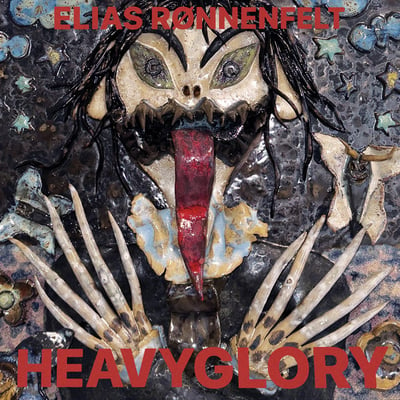
Elias Rønnenfelt Heavy Glory
Released Oct 25, 2024 Escho
Established consensus 10 professional reviews Updated Dec 30, 2025
Mostly positive consensus
Elias Rønnenfelt's Heavy Glory stakes a crooked, literate claim on solo songcraft, balancing hushed Americana and baroque touches as it excavates longing, loss and a drifting sense of identity.
How ChoruScore worksCritics' Top Tracks
The songs critics returned to most
No Place to Fall
9 critic mentions
“Another cover, of Townes Van Zandt’s “No Place to Fall”, is amongst the finest things Rønnenfelt has ever recorded.” — The Line of Best Fit
No One Else
8 critic mentions
“No One Else”’s scathing, stand up bass line brings up similarities to “Walk on the Wild Side” by Lou Reed” — Paste Magazine
Like Lovers Do
7 critic mentions
“The sincerity begins on gorgeous opener “Like Lovers Do”, which showcases his rich, restrained voice” — The Line of Best Fit
Full critic consensus
Elias Rønnenfelt's Heavy Glory stakes a crooked, literate claim on solo songcraft, balancing hushed Americana and baroque touches as it excavates longing, loss and a drifting sense of identity. Across professional reviews critics identify the record's strongest moments within its quieter, cinematic vignettes - openings like “Like Lovers Do” and the plaintive center of “No One Else” recur as immediate highlights, while reinterpretations such as “No Place to Fall” and the Spacemen 3 cover “Sound Of Confusion (Spacemen 3 cover)” get singled out for sympathetic, well-judged arrangements.
The critical consensus lands at a 69/100 from 10 reviews, reflecting praise for Rønnenfelt's intimacy and storytelling alongside frequent notes about uneven cohesion. Reviewers consistently praise songs that marry sparse acoustic clarity with cinematic instrumentation - “Doomsday Childsplay”, “Close” and “Unarmed” are repeatedly mentioned for their emotional clarity, while “Worm Grew a Spine” and “River Of Madeleine” show his appetite for experimentation. Critics note recurring themes of nostalgia, confession and wandering, and many reviewers find the record most compelling when lyricism and modest arrangements let his narrative voice breathe.
While some writers call the album patchwork or over-ambitious, others argue those rough edges amplify its sincerity and literary flair. The result is a solo collection that may frustrate listeners seeking tight cohesion but rewards those drawn to mood-driven storytelling, intimate performances and standout tracks that register as small, aching revelations. Below, the reviews unpack why certain songs emerge as the best tracks on Heavy Glory and what that means for Rønnenfelt's solo identity.
Track Ratings
How critics rated each track, relative to this album (0-100). Only tracks that made critics feel something are rated.
Like Lovers Do
Another Round
Doomsday Childsplay
Close
No One Else
Stalker
Worm Grew a Spine
Soldier Song
Unarmed
River Of Madeleine
Sound Of Confusion
No Place to Fall
Get the next albums worth your time.
Critic-backed picks in one clean digest. No clutter.
What Critics Are Saying
Deep insights from 9 critics who reviewed this album

Critic's Take
Elias Rønnenfelt sounds surprisingly clear and sincere on Heavy Glory, and the best tracks prove why his solo turn works so well. The opener “Like Lovers Do” is gorgeous and establishes the album's warm, restrained tone, while the Townes Van Zandt cover “No Place to Fall” is called out as probably the best, fitting Elias like a glove. Mid-album moments such as “Doomsday Childsplay” and “Close” keep the momentum with beautiful accompaniments, and even rougher cuts like “Worm Grew a Spine” add necessary grit. This record answers the question of his solo worth within ten minutes, with songs that nearly match his star turn.
Key Points
-
The Townes Van Zandt cover "No Place to Fall" is singled out as the finest and best-fitting performance on the album.
Themes

Critic's Take
Elias Rønnenfelt reins in theatre-kid melodrama on Heavy Glory, letting simple acoustic skins and baroque touches reveal the best tracks. The reviewer's ear keeps returning to “No One Else” as the album's emotional centre, and the opening “Like Lovers Do” is praised for being stripped-back and sing-along catchy. Dark storytelling like “Stalker” and the cello-laden “Unarmed” provide the album's most unforgettable moments, proving the best songs on Heavy Glory are those that marry vulnerability with unsettling narratives. Overall, the record rewards repeated listens with hooks and arrangements that slowly reveal their weight.
Key Points
-
“No One Else” is the best song because of its wistful vulnerability and gut-punch lyric that the reviewer calls their favourite.
-
The album’s core strengths are intimate acoustic storytelling, baroque instrumentation, and memorable hooks that reveal themselves over multiple listens.
Themes

Critic's Take
The reviewer leans into the album's candid ache and twangy melodies, arguing that songs like “Close” and “Stalker” showcase his knack for pairing aching cries with soft-spoken female textures. Overall, the piece presents Heavy Glory as a heart-worn, bold debut that finds Rønnenfelt surrendering to intimacy and narrative in his strongest moments.
Key Points
-
“Doomsday Childsplay” stands out for its icy atmosphere and honest harmonica confession, exemplifying Rønnenfelt’s solo voice.
-
Heavy Glory’s core strength is candid storytelling and a balance of noisy boldness with twangy, swaying ballads.
Themes

Critic's Take
In a lean, searching solo debut, Elias Rønnenfelt turns inward on Heavy Glory, letting sincerity and Americana textures surface in songs like “Like Lovers Do” and “River of Madeleine”. The record often favors discovery over cohesion, but moments such as “Doomsday Childsplay” and “No One Else” land with mournful clarity and emotional breadth. Rønnenfelt’s lyricism trades grandiosity for blunt, pleading honesty, and that gamble is what makes the best tracks feel quietly monumental.
Key Points
-
The best song, "Doomsday Childsplay," succeeds for its mournful Western stomp and assuredness.
Themes
Fa
Critic's Take
In a voice that alternates between pained and poetic, Elias Rønnenfelt's Heavy Glory finds its best tracks in quieter, cinematic moments like “Doomsday Childsplay” and “Close”, where violins and intimate vocals turn recollection into spectacle. The record dwells in longing and nostalgia, and the reviewer’s attention to lyrics means the best songs - especially “Doomsday Childsplay” - feel like small, aching movies. Even when guitars become forgettable, the emotional intensity of tracks such as “Worm Grew A Spine” and “Soldier Song” redeems the album, making those songs the standout moments on Heavy Glory.
Key Points
-
The best song, "Doomsday Childsplay", is the standout for its gorgeous violins and nostalgic, solitary mood.
-
The album’s core strengths are Rønnenfelt’s lyrical intensity and cinematic arrangements that turn small moments into evocative vignettes.
Themes
In
Critic's Take
On Elias Rønnenfelt's Heavy Glory the best tracks land in the album's quieter, more intimate moments, most notably “Unarmed” and “No One Else”. Macbeth celebrates “Unarmed” for its soulful, blues-tinged delivery and an acoustic guitar solo that punctuates the song's emotional core, and she praises “No One Else” for holding the album's most picturesque lyrics. The reviewer admires Rønnenfelt's willingness to experiment but warns the kaleidoscopic diversity sometimes leaves the record feeling disjointed rather than cohesive. Overall, the writing frames these standout songs as evidence of promise even if the album does not fully coalesce.
Key Points
-
“Unarmed” is best for its soulful vocals and an acoustic solo that heightens emotional depth.
Themes

Critic's Take
The solo debut Elias Rønnenfelt offers a quiet, intimate turn on Heavy Glory, where the best songs - notably “Like Lovers Do” and “No One Else” - distill pandemic isolation into taut, folk-adjacent vignettes. Rønnenfelt channels despair and romantic pitfalls with an earnestness that often works, giving “Like Lovers Do” a particular clarity and “No One Else” a haunting simplicity. Less successful moments, such as “Close” and “Doomsday Childsplay”, can feel overly earnest, but the record's experimental touches - from electronic pulse on “Worm Grew A Spine” to the contemplative closer “No Place to Fall” - keep the album compelling.
Key Points
-
The best song is "Like Lovers Do" because it most clearly channels pandemic isolation into intimate, affecting songwriting.
-
Heavy Glory's core strengths are its intimacy, lyrical focus, and occasional experimental shifts that expand Rønnenfelt's palette.
Themes

Critic's Take
Having fronted Iceage, Elias Rønnenfelt attempts many guises on Heavy Glory, but the record feels patchwork rather than unified. The reviewer's favourites land among the more convincing turnings - “Unarmed” stands out for its '60s bluesy pop and nostalgic melancholy, and “River Of Madeleine” intrigues with a clashing duet. The covers “Sound Of Confusion” and “No Place to Fall” are singled out as perfectly pitched and lusciously recorded, making them among the best tracks on Heavy Glory. Overall the album contains moments of a great solo Elias, yet as a whole it is a jumbled disappointment, though those specific songs emerge as the best tracks here.
Key Points
-
The best song(s) are the covers and the nostalgic 'Unarmed' because they align with Elias’s voice and are well recorded.
-
The album’s core strengths are its evocative covers, moments of nostalgic melody, and convincing singer-songwriter moments amid inconsistent identity experiments.
Themes

Critic's Take
In a restless, literature-tinged voice the reviewer argues that Elias Rønnenfelt's Heavy Glory finds its best moments in songs such as “Worm Grew a Spine” and “Close”, which supply both sneer and tenderness in equal measure. The piece reads like a travel-stained notebook - moody vignettes that dig into nostalgia and off-kilter rock history, making the best tracks stand out as miniature revelations. The reviewer singles out “Worm Grew a Spine” as the knockout, and praises “Close” for Fauzia’s conspiratorial whispering, explaining why those are the best songs on Heavy Glory.
Key Points
-
The best song is “Worm Grew a Spine” for its snarky Nuggets-style sneer and decisive knockout quality.
-
The album's core strengths are its mood-driven, literary songwriting and inventive instrumentation that balance symphonic and dissonant elements.