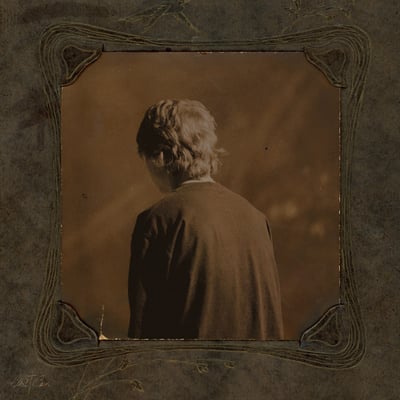
Ethel Cain Willoughby Tucker, I'll Always Love You
Released Aug 8, 2025 Daughters of Cain Records
Established consensus 6 professional reviews Updated Feb 21, 2026
Mostly positive consensus
Ethel Cain's Willoughby Tucker, I'll Always Love You returns to small-town Americana and Southern Gothic lyricism, a slowcore prequel that stakes its claim through moody atmospheres and intimate narrative detail.
How ChoruScore worksCritics' Top Tracks
The songs critics returned to most
The Tempest
1 critic mention
“This spellbinding track is the record’s sonic and emotional crescendo” — Still Listening Magazine
Dust Bowl
3 critic mentions
“Dust Bowl” is beautiful, languid slowcore, and an intimate glimpse at the relationship between Willoughby and Ethel.” — Albumism
Tempest
4 critic mentions
“Don’t ask me why I hate myself / As I’m circling the drain,” she deflects with a tone of paralysing anxiety on the spectral ‘Tempest’.” — The Forty Five
Full critic consensus
Ethel Cain's Willoughby Tucker, I'll Always Love You returns to small-town Americana and Southern Gothic lyricism, a slowcore prequel that stakes its claim through moody atmospheres and intimate narrative detail. Across six professional reviews the record earned a 65.17/100 consensus score, and critics consistently point to a handful of songs as emotional lodestars: “Janie”, “Tempest”, “Dust Bowl” and “Fuck Me Eyes” emerge repeatedly as the best songs on the album. Those tracks anchor a collection preoccupied with toxic love, adolescence, addiction and longing, where sonic intimacy and ambient drone emphasize psychological portraiture over pop immediacy.
Reviewers praise Cain's storytelling and the album's patient construction, singling out “Janie” and “Tempest” for crystallizing her fatalistic tenderness and “Dust Bowl” for its rapturous guitar sadness. Critics also note the record's hypnotic instrumental passages such as "Willoughby's Theme" and "Radio Towers" for deepening the mood, while “Fuck Me Eyes” provides the occasional wink of alt-pop buoyancy. Professional reviews agree the record's strength lies in cinematic arrangements and quiet devastations, with several critics calling the longform “Waco, Texas” an emotional climax.
Despite moments of high praise, the reception is mixed: some reviewers find the tension between gothic atmosphere and pop aspiration uneven, which helps explain the middling consensus score across six reviews. For readers asking whether Willoughby Tucker, I'll Always Love You is worth listening to, the answer depends on patience and appetite for narrative slow-burns - those who value haunting storytelling and dramatic restraint will find essential, standout tracks here, while others may be left wanting sharper hooks. The detailed reviews below unpack how these themes and standout songs build Cain's prequel to her earlier work.
Track Ratings
How critics rated each track, relative to this album (0-100). Only tracks that made critics feel something are rated.
Janie
Willoughby's Theme
Fuck Me Eyes
Nettles
Willoughby's Interlude
Dust Bowl
A Knock At The Door
Radio Towers
Tempest
Waco, Texas
Get the next albums worth your time.
Critic-backed picks in one clean digest. No clutter.
What Critics Are Saying
Deep insights from 12 critics who reviewed this album
Fa

Ea
Critic's Take
Ethel Cain makes a persuasive case for why the best songs on Willoughby Tucker, I'll Always Love You are the ones that marry narrative gravity with stark emotion - “Nettles” and “Waco, Texas” stand out as the album's moral and sonic centers. The reviewer's prose insists that “Nettles” immediately establishes the stakes, its ethereal synths and the line "To love me is to suffer me" encapsulating the project's heart. By contrast, the staggering 15-minute “Waco, Texas” is described as the emotional and sonic climax, journeying through guilt, admission and a failed redemption that makes it the album's centerpiece. Lesser but vital moments like “Fuck Me Eyes” and “Dust Bowl” supply stylistic surprise and Southern Gothic brutality, ensuring the best tracks on the album both illuminate character and escalate the tragedy.
Key Points
-
The best song is the 15-minute "Waco, Texas" because it delivers the album's emotional and sonic climax with sustained narrative detail.
-
The album's core strengths are its Southern Gothic storytelling, emotional bravery, and commitment to narrative cohesion over radio-friendly singles.
Themes
Sp
No
Al
Critic's Take
Ethel Cain’s Willoughby Tucker, I’ll Always Love You is a slow-burn, Southern Gothic prequel that makes its best tracks - notably “Janie” and “Fuck Me Eyes” - feel like small, aching revelations. The reviewer lingers on the pensive guitar and ethereal vocals of “Janie”, which opens the record with a dust-shimmering intimacy, and on the mischievous, pulsing pop of “Fuck Me Eyes”, the album’s crowd-pleasing anthem. Instrumental pieces such as “Willoughby’s Theme” and “Radio Towers” deepen the hypnotic mood, while folky moments like “Nettles” and the intimate slowcore of “Dust Bowl” prove the record’s emotional range. Overall the best tracks on Willoughby Tucker, I’ll Always Love You are those that marry narrative detail with haunting, spacious arrangements, giving the listener a real sense of place and heartbreak.
Key Points
-
“Janie” is the best song because it opens the album with haunting pensive guitar, ethereal vocals, and palpable grief that anchors the narrative.
-
The album’s core strengths are its Southern Gothic storytelling, hypnotic slowcore atmospherics, and emotionally detailed character sketches.
Themes
Ir
Critic's Take
In this review Ed Power hears the ache at the centre of Willoughby Tucker, I'll Always Love You, and he lingers longest over moments like “Janie” and “Tempest” that crystallise Ethel Cain's fatalistic tenderness. Power writes with a measured admiration, parsing widescreen elegies and intimate jolts while flagging the album's uncanny gift for atmosphere. For readers searching for the best songs on Willoughby Tucker, I'll Always Love You, the review elevates “Janie” as an emotional anchor and “Tempest” as a showpiece of drama and detail.
Key Points
-
The best song is "Janie" because the reviewer identifies it as the album's emotional anchor and most affecting moment.
-
The album's core strengths are its haunting atmosphere and widescreen, Southern Gothic storytelling.
Themes
Th
Critic's Take
Ethel Cain returns to the small-town Americana intimacy of Willoughby Tucker, I’ll Always Love You, where the best songs - notably “Janie” and “Tempest” - distill first-love longing into confrontational, lived-in lines. The reviewer lingers on sprawling narratives and sparse instrumentation, praising how “Janie” mourns departure atop a classic electric riff while “Tempest” channels paralysing anxiety. Instrumental pieces like “Willoughby’s Theme” and “Radio Towers” are noted for carrying emotional weight, and “Fuck Me Eyes” is highlighted as the album’s closest thing to a soaring alt-pop moment. Overall, Cain’s prequel chapter deepens the mythology of her debut, even as it asks for patient listening to unlock its layers.
Key Points
-
The best song, "Janie", is best because its electric guitar riff and lament capture the album’s intimate ache.
-
The album's core strengths are its lived-in storytelling, small-town Americana atmosphere, and sparse, emotionally charged instrumentation.
Themes


St
Critic's Take
There is also affection for the infectious country-pop wink of “Fuck Me Eyes” and the melancholy epilogue of “Waco, Texas”, even as the album prefers atmosphere over big hooks. This is a restrained, literary collection where tenderness is revealed slowly beneath dour surfaces, making the best songs stand out by emotional intensity and cinematic arrangements.
Key Points
-
‘Dust Bowl’ is the best song due to its emotional intensity, rapturous guitars, and vivid, besotted narration.
-
The album’s core strengths are mood, literary storytelling, and slowly revealed tenderness within downbeat, cinematic arrangements.
Themes
Th
Critic's Take
The reviewer marvels at the collision of gothic, ambient drone textures with pop ambition, and flags those standout moments as the best tracks on the album. In short, the best songs are the ones that balance hearsay-sized pop hooks with subterranean doom, where Cain sounds both surprising and inevitable.
Key Points
-
The album's core strength is its wide stylistic range, from ambient drone to pop immediacy and doom metal intensity.