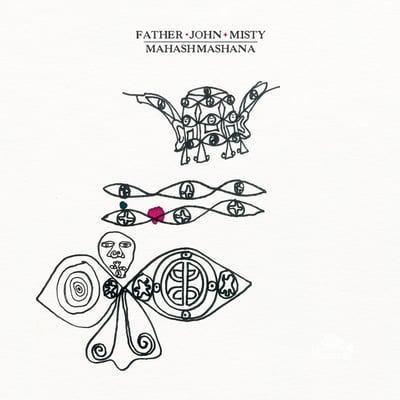
Father John Misty Mahashmashana
Released Nov 22, 2024 Sub Pop Records
Established consensus 22 professional reviews Updated Oct 2, 2026
Broadly positive consensus
Father John Misty's Mahashmashana arrives as a lavish, theatrical statement that folds mortality, satire and orchestral soft-rock into some of his most vividly staged songs.
How ChoruScore worksCritics' Top Tracks
The songs critics returned to most
Mahashmashana
18 critic mentions
“the eight tracks on Mahashmashana , many of which cap out around the six-and-a-half minute mark” — The A.V. Club
She Cleans Up
18 critic mentions
“on the single "She Cleans Up", Tillman shimmies onto the dance floor with an irresistible slice of retro-psychedelic funk/rock.” — PopMatters
Screamland
17 critic mentions
“the epic "Screamland", which shifts between piano-led balladry in the verses to epic, anthemic crashes in the choruses.” — PopMatters
Full critic consensus
Father John Misty's Mahashmashana arrives as a lavish, theatrical statement that folds mortality, satire and orchestral soft-rock into some of his most vividly staged songs. Across professional reviews critics agree the record balances grand, Seventies-inflected arrangements with pointed lyricism, and the consensus suggests the album succeeds more often than not: it earned an 82.27/100 consensus score across 22 professional reviews. Standout moments named repeatedly include “Mahashmashana”, “Screamland”, “Josh Tillman and the Accidental Dose” and “She Cleans Up” - tracks critics cite when asking what the best songs on Mahashmashana are.
Reviewers consistently praise Tillman's melodic craftsmanship and theatrical ambition: the title track's sweeping strings and operatic sweep supply an orchestral spine, while “Screamland” provides widescreen catharsis and electronic thrust. Critics note recurring themes of death, parenthood, withdrawal from pop culture and spiritual questioning, with the album's pastiche of jazz, funk, disco and baroque pop working as both homage and critique. Several reviews highlight quieter character studies like “Josh Tillman and the Accidental Dose” and “I Guess Time Just Makes Fools of Us All” for their balance of groove and mordant self-examination.
Perspectives vary in degree rather than direction: some outlets celebrate Mahashmashana as a career peak for Tillman's songwriting and showmanship, while others flag occasional excesses where pastiche tips toward indulgence. Taken together, the critical consensus frames the record as a richly orchestrated, often moving exploration of impermanence and identity that nonetheless risks grandiosity - useful context for anyone wondering, "is Mahashmashana good" or searching for the best songs on Mahashmashana. Read on for full reviews and track-by-track notes below.
Track Ratings
How critics rated each track, relative to this album (0-100). Only tracks that made critics feel something are rated.
Mahashmashana
She Cleans Up
Josh Tillman and the Accidental Dose
Mental Health
Screamland
Being You
I Guess Time Just Makes Fools of Us All
Summer’s Gone
Get the next albums worth your time.
Critic-backed picks in one clean digest. No clutter.
What Critics Are Saying
Deep insights from 23 critics who reviewed this album


Critic's Take
Father John Misty’s Mahashmashana cements its best songs in a warm, elegiac register, with “Screamland” standing out as the album’s kinetic centerpiece and “Mahashmashana” supplying the grand, orchestral spine. The review voice lingers on Tillman’s ’70s-inflected arrangements and languid croon, explaining why the up-tempo “She Cleans Up” also counts among the best tracks on Mahashmashana. There is tenderness toward themes of rebirth and impermanence, and those themes are precisely what make these best tracks resonate as songs and statements rather than mere pastiches.
Key Points
-
The best song, "Screamland", is the standout due to its up-tempo, intoxicating energy and dance-ready arrangement.
-
The album’s core strengths are its themes of impermanence and rebirth delivered with ’70s-inflected arrangements and a more languid, less snarky croon.
Themes

Critic's Take
Father John Misty arrives on Mahashmashana with a carnival of styles and assured wit, and the review singles out songs like “She Cleans Up” and “Screamland” as the album's clearest pleasures. The critic relishes the overstuffed elegance of the title track while praising the irresistible retro-psychedelic strut of “She Cleans Up” and the anthemic sweep of “Screamland”. There is admiration for Tillman getting his band in the room - it tightens songs such as “Mental Health” and propels the funky, horn-spiked “I Guess Time Just Makes Fools of Us All” into real payoff. Overall the tone is laudatory and measured, insisting Mahashmashana comes very close to perfection.
Key Points
-
The best song is "She Cleans Up" because its irresistible retro-psychedelic strut and swagger make it an immediate standout.
-
The album’s core strengths are Tillman’s stylistic breadth, assured arrangements, and the stronger involvement of his band producing both sweep and intimacy.
Themes


Critic's Take
Father John Misty’s Mahashmashana finds its best songs in the sprawling, soulful centrepieces such as “I Guess Time Just Makes Fools Of Us All” and “Josh Tillman and the Accidental Dose”, tracks that pair buoyant grooves with searing self-examination. The review praises “I Guess Time Just Makes Fools Of Us All” for its funk-laden reflection and vivid detail, and the intoxicating sax and cinematic strings of “Josh Tillman and the Accidental Dose” as among the album’s highlights. Other standouts mentioned include the synth-laden odyssey of “Screamland” and the opulent title-track “Mahashmashana”, both underlining why the best tracks on Mahashmashana feel simultaneously intimate and vast. The reviewer’s voice emphasises Tillman’s sublime storytelling, making these songs the clearest answers to queries about the best tracks on this album.
Key Points
-
The best song is the funk-laden “I Guess Time Just Makes Fools Of Us All” for its vivid reflection and memorable lyrical moments.
-
The album’s core strengths are Tillman’s sublime storytelling, lush orchestration, and an emotional balance of mortality and hope.
Themes
mu

Critic's Take
Father John Misty's Mahashmashana feels succinct in a way Tillman rarely has been, and the best songs - notably “Screamland” and “She Cleans Up” - make that clarity of vision plain. Joe Goggins praises the seven-minute, softly psych-inflected wonder “Screamland”, highlighting its soaring chorus and themes of redemption and love. He also flags the groove and strut of “She Cleans Up” and the jazzy slow-burn storytelling of “Josh Tillman and the Accidental Dose”, arguing these tracks show Tillman getting out of his own way. The review positions Mahashmashana as possibly his best to date, a record that balances the epic and the intimate while remaining relentlessly adventurous.
Key Points
-
Screamland is best for its seven-minute psych-tinged construction and soaring chorus that emphasize redemption and love.
-
The album's core strength is a clarified vision that mixes groove, jazz storytelling and stylistic adventurousness while avoiding past excesses.
Themes

Critic's Take
In her wry, observant tone Victoria Wasylak applauds Father John Misty on Mahashmashana, singling out the sprawling meditations that make the best songs on the record so resonant. She highlights “Josh Tillman and the Accidental Dose” for its dramatized strings and “I Guess Time Just Makes Fools Of Us All” for its piano-and-sax groove, arguing these tracks crystallize the album’s wisecrack-laden take on mortality. The reviewer’s voice is measured but admiring, framing the album as a soundtrack for tempering an existential crisis rather than a confessional meltdown. Overall, Wasylak presents the best tracks as extended, riddle-like parables that pair folklore, satire and lush arrangements into Father John Misty’s most philosophically generous record.
Key Points
-
The best song is driven by expansive arrangements and philosophical lyrics, exemplified by "I Guess Time Just Makes Fools Of Us All."
-
The album’s core strengths are lush strings, folkloric storytelling, and a satirical, wisecrack-laden take on mortality.
Themes

Critic's Take
In her characteristic, observational voice Emma Keates finds the best songs on Mahashmashana in tracks that bruise and charm at once. She points to “Josh Tillman And The Accidental Dose” as a funky, stringed highlight and names “Being You” for its jazzy, dissociative grace, while applauding the stadium-ready howl of “Screamland” as one of the album's boldest moves. Keates writes like a close reader of Tillman, mapping how parenthood and ego deaths shade these songs, and frames those three as the clearest answers to the question of the best songs on Mahashmashana.
Key Points
-
The best song is 'Josh Tillman And The Accidental Dose' for its funky strings and incisive lyrical moments.
-
The album's core strengths are genre-spanning arrangements, sharp social commentary, and a meditative detachment shaped by parenthood.
Themes

Critic's Take
In a career-spanning peak, Father John Misty makes Mahashmashana feel like an apocalyptic vaudeville where the best songs - “Mahashmashana” and “Josh Tillman and the Accidental Dose” - stretch toward seven minutes and beyond, luxuriating in sax and Old Hollywood strings. Anna Gaca revels in the album’s wild mood swings and tangential logic, praising the songwriting as perhaps the best it’s ever been while noting the record’s decadent, over-the-top pleasures. The urgent mechanistic push of “She Cleans Up” and the towering, almost-Christian-rock sweep of “Screamland” are singled out as high points, each earning the listener’s toast to decadent culture. Ultimately this is a set of apocalyptic rockers that sounds fantastic even as it catalogues civilization’s hubristic decline.
Key Points
-
The title track is best for its lush sax and Old Hollywood strings and encapsulates the album’s luxe apocalypse.
-
The album’s core strengths are ambitious songwriting, theatrical arrangements, and a blend of decadence with sincere spiritual questioning.
Themes
Th
Critic's Take
Father John Misty returns on Mahashmashana with a blend of grandiosity and wry observation that makes the best songs linger. “She Cleans Up” swaggeringly lets loose and remains one of the best tracks on Mahashmashana, its video underlining the record's showmanship. The album's lyrical strength, from “Josh Tillman and the Accidental Dose” to “Mental Health”, is Tillman's superlative chronicling of life's perverseness, now observed with quieter embers rather than righteous flame.
Key Points
-
The best song, 'Screamland', is the album's emotional peak with a widescreen, apocalyptic climax that delivers catharsis.
Themes
Ho
Critic's Take
Father John Misty keeps weaving literate, acerbic lyrics into lush '70s soft-rock on Mahashmashana, and the best tracks show him at his most inventive. At times the title track and “Mental Health” verge on pastiche, but that risk-taking is part of what makes these the best songs on Mahashmashana - they keep Tillman confounding expectations with a knowing wink and a shrug.
Key Points
-
The best song is "She Cleans Up" for its brilliant, Beck-esque electro-funk and unexpected melody.
Themes

Critic's Take
Father John Misty's Mahashmashana feels like a collected eulogy of past selves, and the best songs - “Mahashmashana”, “Screamland” and “I Guess Time Just Makes Fools Of Us All” - show Tillman at his most vividly theatrical and mordant. Peter Watts writes with affectionate precision, picking out the title track as a "languorous masterpiece" and praising the dramatic swing from droning verses to huge choruses on “Screamland”. The review stresses Tillman's lyrical wit and vocal mastery, arguing these strengths make the best tracks stand out even when the concept feels like homework.
Key Points
-
The title track is the best song because it is called a "rich, languorous masterpiece" and evokes Scott Walker and Nilsson.
-
The album’s core strengths are Tillman’s lyrical wit, vocal phrasing, and a thematic focus on endings and self-reflection.
Themes

Critic's Take
In his most theatrically ambitious outing, Father John Misty’s Mahashmashana finds its best songs in the sweep and scale of the title track and the jolting surprise of “She Cleans Up”. The ten-minute opener is described as "constantly elevating orchestral drones and deafening balladry," a peak of majesty that makes it one of Tillman’s finest works and the clear best track on the album. “She Cleans Up” earns praise for authentic swagger after initial skepticism, and the penultimate disco-tinged number pivots the record toward a Bee Gees-like revelatory groove. Overall, the reviewer frames the album as patient, sojourning hope wrapped in satire, so these standout tracks crystallize why listeners search for the best songs on Mahashmashana.
Key Points
-
The title track is the best song because its ten-minute orchestral build achieves Tillman’s most majestic ascent.
-
The album’s core strengths are theatrical orchestration, satirical-romantic lyricism, and bold genre pivots toward disco and grand balladry.
Themes

Critic's Take
Father John Misty returns with Mahashmashana, an album whose best songs - notably “Mahashmashana”, “Mental Health” and “Josh Tillman and the Accidental Dose” - show why Tillman remains a fantastic writer. The title track marries Elton John-esque melody to Phil Spector-sized arrangements in a way that makes his familiar themes feel freshly enthralling. “Mental Health” is clever and elegantly observed, the chorus landing with a bitter wit that sticks. “Josh Tillman and the Accidental Dose” captures his scabrous humour and rueful self-awareness, making it one of the album's standout moments.
Key Points
-
The best song is praised for marrying big, classic pop arrangements to Tillman’s darkly comic lyrics, making the title track an immediate centerpiece.
-
The album’s core strengths are immaculate melodies, ambitious and varied arrangements, and sharp, witty lyricism about contemporary malaise.
Themes

Critic's Take
Father John Misty arrives on Mahashmashana circling big queasy questions of mortality and identity, and the best songs - notably “Mahashmashana” and “I Guess Time Just Makes Fools of Us All” - make that unease sound glorious. Helen Brown’s voice is wry and observant, noting how the title track swells into Seventies-style strings and sax while the single “I Guess Time Just Makes Fools of Us All” grooves loose and funky, both showcasing Tillman’s knack for marrying sharp lyrics to sumptuous arrangements. The review balances admiration with a caveat that sometimes he risks feeling like a cocktail of impeccably cool influences rather than wholly singular, yet concludes that even as an elegy for FJM this is a rather wonderful record.
Key Points
-
The title track is best for its bombastic Seventies strings and the way it balances triumph and despair.
-
The album’s core strengths are lush arrangements, precise yet elusive lyrics, and skilful evocations of classic influences.
Themes

Critic's Take
Father John Misty's Mahashmashana is a gently psychedelic, sincere record where the best songs - notably “Mahashmashana” and “Mental Health” - trade snark for genuine spiritual searching. Jordan Bassett writes in that conversational, slightly bemused NME voice, noting the nine-minute, string-laden title epic and the swooning intimacy of “Mental Health” as the album's emotional centres. The reviewer praises a liberated Misty who logs off from zeitgeist-chasing to explore love, ageing and meaning, so the best tracks on Mahashmashana feel expansive and reflective rather than punchline-ready. The result is recommended listening for those who want Father John Misty stripped of irony and focused on inward clarity.
Key Points
-
The title track is best for its nine-minute, string-laden epic scope and spiritual ambition.
-
The album's core strengths are its sincere turn toward spirituality, lush arrangements, and inward-focused songwriting.
Themes

Critic's Take
Father John Misty's Mahashmashana finds its best songs in sweeping epics and arch character studies, notably the title track and “Mental Health”. Tom Doyle revels in the album's grand, early-70s production and bleakly joyful vision on “Mahashmashana”, and praises the showstopping, choir-lifted build of “Mental Health” as a dramatic centerpiece. He also highlights the sly, surreal storytelling of “Josh Tillman and the Accidental Dose” and the LA noir of “Screamland”, arguing these songs prove Tillman's gift for arch self-mythology and vivid cinematic imagery. The result, Doyle writes in his measured, contextual voice, is another mind-bending, soul-baring, melodically rich record where the best tracks stand as equal parts theatrical spectacle and intimate confession.
Key Points
-
The title track is best for its colossal, early-70s orchestration and bleak, vividly realised apocalyptic vision.
-
The album's core strengths are cinematic arrangements, incisive lyricism about identity, and theatrical melodic storytelling.
Themes

Critic's Take
Father John Misty leans into theatrical excess on Mahashmashana, and the best songs - notably “Screamland” and the title track “Mahashmashana” - show him at his most grand and inventive. The reviewer's voice relishes the record's swing between bombast and hush, praising the orchestral swells that sometimes overpower but often uplift. He singles out “Screamland” as the centerpiece, a song that pulses from piano hush to electro chaos and asserts itself lyrically. Even the album outliers like “She Cleans Up” and “Josh Tillman and the Accidental Dose” are noted for their distinct flavors, making Mahashmashana a sampler of Tillman pasts and possible futures.
Key Points
-
“Screamland” is the album’s centerpiece because it builds from hush to electro chaos and showcases Tillman’s strongest lyrical flights.
-
The album’s core strengths are its theatrical orchestration and thematic focus on aging and death, even as styles jump across past eras.
Themes

Critic's Take
Death, wit and big gestures thread through Father John Misty's Mahashmashana, and the best songs - especially “Mental Health” and “Screamland” - show why. The record returns him to sweeping, Seventies-steeped orchestral pop rock, allowing moments like the chugging “She Cleans Up” and the disco-tinged “I Guess Time Just Makes Fools Of Us All” to breathe. Tillman's lyricism lands hard and plainspoken in places, which is what makes “Screamland” and “Summer’s Gone” feel genuinely affecting. Ultimately, the best tracks on Mahashmashana pair theatrical ambition with intimate candor, and that collision is the album's continual reward.
Key Points
-
Screamland is best for its dramatic build and plainspoken chorus that marry ambition with direct feeling.
-
The album's strength is its return to sweeping orchestral pop rock combined with Tillman's mordant wit and thematic focus on mortality.
Themes

Critic's Take
Father John Misty arrives with Mahashmashana as a summation rather than a reinvention, and the review rings that tone: this is refinement, not revolution. The reviewer's ear lifts the spotlight toward “She Cleans Up” as a possible career highlight, praising its rocking guitars and trademark swagger while noting echoes of earlier work. There is genuine praise for moments like “Screamland” as a rare departure into electronic indie rock, but the overall verdict asks whether Tillman has lost some nerve. The narrative stays admiring yet restrained, pointing readers searching for the best songs on Mahashmashana toward “She Cleans Up” and “Screamland” while arguing the album's chief virtue is synthesis of his best sounds.
Key Points
-
The best song is "She Cleans Up" because the reviewer calls it possibly one of his best, citing rocking guitars and trademark swagger.
Themes

Critic's Take
In his usual mordant register, Father John Misty on Mahashmashana leans into vaudevillian showmanship while interrogating fame and decay, and the best songs - “Josh Tillman and the Accidental Dose” and “I Guess Time Just Makes Fools of Us All” - crystallize that mix. Jeremy Winograd praises the raw, throaty delivery and jaunty piano blues of “Josh Tillman and the Accidental Dose”, which makes the satire feel both tormented and entertaining. He also flags “I Guess Time Just Makes Fools of Us All” as a grand, ridiculous centerpiece where jokey funk meets a sharp diatribe about commercialized inspiration. Even when the album drifts into oblique, lengthy verses, the moments of flamboyance and black humor keep these best tracks compelling and memorable.
Key Points
-
The best song is “Josh Tillman and the Accidental Dose” for its raw delivery and jaunty piano that make satire feel entertaining.
-
The album's core strengths are grandiloquent showmanship, black humor, and theatrical arrangements that recall Tillman’s earlier work.
Themes

Critic's Take
Lighter moments like “She Cleans Up” and the disco-tinged “I Guess Time Makes Fools Of All Of Us” provide contrast, but it is the epic sweep and candid self-reference that make the best tracks stand out.
Key Points
-
The title track is best for its grand, operatic production and sumptuous strings.
-
The album balances widescreen pomp with stripped-back intimacy, self-referential lyrics, and playful pastiche.