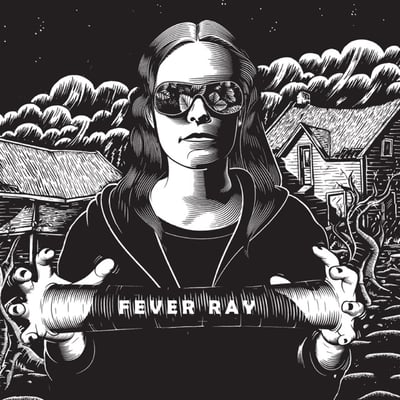
Fever Ray Fever Ray
Released Jan 12, 2009 Rabid Records
Established consensus 26 professional reviews Updated Mar 23, 2026
Broadly positive consensus
Fever Ray's Fever Ray unfolds as a midnight confessional where synthetic textures and domestic dread fuse into haunting, strangely tender songs.
How ChoruScore worksCritics' Top Tracks
The songs critics returned to most
If I Had a Heart
8 critic mentions
“Opener "If I Had a Heart" is a shivering, timely meditation on greed, immorality, and lust for power” — Pitchfork
When I Grow Up
7 critic mentions
“I'm very good with plants, when my friends were away, they let me keep the soil moist," she sings on When I Grow Up” — The Guardian
Keep the Streets Empty for Me
8 critic mentions
“Anyone requiring evidence of Dreijer Andersson's unique talent is directed to Keep the Streets Empty For Me” — The Guardian
Full critic consensus
Fever Ray's Fever Ray unfolds as a midnight confessional where synthetic textures and domestic dread fuse into haunting, strangely tender songs. Across professional reviews, critics point to a record that trades pop immediacy for sparse, cinematic synth-pop and an atmosphere of brooding minimalism; the consensus suggests the collection rewards patient listening rather than instant gratification. With a consensus score of 80.54/100 across 26 professional reviews, the critical reception frames the album as a notable, often essential statement in Karin Dreijer Andersson's catalog.
Reviewers consistently single out “If I Had a Heart”, “When I Grow Up” and “Keep the Streets Empty for Me” as the best tracks on Fever Ray, praising their uneasy hooks, vocal distortion and the record's tension between intimacy and dehumanisation. Critics note minimalist arrangements and stripped-back beats that accentuate themes of modern alienation, sleeplessness and childhood fever; tracks such as “I'm Not Done” and “Seven” are repeatedly cited for turning sparse rhythms into dramatic, narrative moments. Several reviews emphasize the album's domestic surrealism and psychological horror, where maternal experience and memory register through vocoder textures and eerie panpipes.
While most professional reviews celebrate the album's daring atmosphere and production contrasts, some critics caution that its restraint can feel forbidding, making the record divisive for those seeking immediate melodies. Still, the critic consensus positions Fever Ray as a compelling, nocturnal work whose standout songs—notably “If I Had a Heart” and “When I Grow Up”—best encapsulate its bleak, melancholic uplift. Below, the detailed reviews map how these sparse, cinematic pieces cohere into a distinct vision worth close attention.
Track Ratings
How critics rated each track, relative to this album (0-100). Only tracks that made critics feel something are rated.
If I Had a Heart
When I Grow Up
Dry and Dusty
Seven
Triangle Walks
Concrete Walls
Now's the Only Time I Know
I'm Not Done
Keep the Streets Empty for Me
Coconut
Get the next albums worth your time.
Critic-backed picks in one clean digest. No clutter.
What Critics Are Saying
Deep insights from 26 critics who reviewed this album

Critic's Take
Fever Ray's Fever Ray is a triumph of nocturnal imagination, where the best songs - “Keep the Streets Empty for Me” and “I'm Not Done” - turn insomnia into uneasy, gorgeous music. Petridis's sentences linger on the album's claustrophobic domesticity and synthetically manipulated vocals, noting how “I'm Not Done” pairs an amphetamine obsession with a crawl of a beat, and how “Keep the Streets Empty for Me” conjures eerie calm with synthesised pan pipes. The review emphasizes that these best tracks reveal Dreijer Andersson's daring, ambition and melodic rewards that unfold slowly, making clear why listeners ask about the best tracks on Fever Ray.
Key Points
-
Keep the Streets Empty for Me is best for its uncanny, becalmed atmosphere and inventive synth textures.
-
The album's core strengths are its nocturnal production, thematic focus on post-natal domesticity and daring vocal manipulation.
Themes


Critic's Take
Karin Dreijer Andersson frames Fever Ray as a nocturnal, insular continuation of the Knife’s obsessions, with standout songs like “When I Grow Up” and “If I Had a Heart” embodying that uneasy childhood glare. The review’s sentences lean analytical but evocative, noting how “When I Grow Up” is hallucinatory yet direct and how “If I Had a Heart” marries introspection to an enervated hum. Dreijer Andersson’s voice and production make tracks such as “Triangle Walks” and “Keep the Streets Empty for Me” feel sweeping and melancholic, while the tender “Dry and Dusty” supplies the album’s quiet center. Overall, the reviewer presents Fever Ray as less dancefloor, more enveloping mood piece, rewarding close listening to its best tracks.
Key Points
-
The best song is "When I Grow Up" for its hallucinatory directness and sensual interplay of melody and beat.
-
The album’s core strength is its consistent nocturnal mood and enveloping, childlike unreality across tracks.
Themes

Critic's Take
Fever Ray’s debut Fever Ray is icy but intimate, a slow-motion synth-pop record where the best songs reveal themselves through texture and restraint. The review repeatedly singles out “Dry and Dusty” for its wheezy, ill-sounding effect and “Concrete Walls” for its deep, husky delivery, while “I’m Not Done” is highlighted for how its Ping Pong percussion slowly insists itself. James Dalrymple writes with a measured, comparative tone, praising Andersson’s unshowy melodic gifts and the album’s cinematic, headphone-friendly layering as reasons these are the best tracks on Fever Ray.
Key Points
-
The best song work combines unusual vocal textures with unshowy melodies, exemplified by "Concrete Walls" and "I’m Not Done".
-
The album’s core strengths are its cinematic, headphone-friendly synth layers and economical songwriting.
Themes
Gi

Critic's Take
Fever Ray's debut Fever Ray is a slow, unnerving study in domestic dread, and the review makes clear the best songs reveal that mood. The opener “If I Had a Heart” is singled out as a shivering meditation on greed and power, while “I'm Not Done” is praised as a pressurized squall that climaxes with a helium-voiced duet. The seven-minute “Coconut” is highlighted as a ceremonious closer that rumbles into a wall of voices. Taken together, these tracks are presented as the album's most immediate and memorable moments, the best tracks on Fever Ray for listeners seeking its unsettling core.
Key Points
-
The best song, "If I Had a Heart", is best because it crystallizes the album's themes of greed and dread in a shivering opener.
-
The album's core strengths are its unnerving atmosphere, intimate vocals, and finely articulated, fragile production.
Themes
Re
Critic's Take
Karin Dreijer's Fever Ray feels like a matured, wintry successor to Silent Shout, and the review makes clear the best tracks are the ones that let that bleak atmosphere breathe. “Seven” emerges as a centerpiece, swelling from elemental beats into sudden girth with frigid choruses, while “If I Had a Heart” champions nervous near-silence and reads like a tone poem in praise of decay. Also notable is “Keep the Streets Empty for Me”, with a child-stomping beat and spacious, dead-factory pop that lingers.
Key Points
-
Seven is best for its outward melodic progression and sudden girth, making it the album's centerpiece.
Themes
mu

Critic's Take
In a voice that feels half-dream and half-wakefulness, Karin Dreijer Andersson makes Fever Ray a study in slow-burning enchantment where the best tracks are the ones that evoke domestic hallucination. Opener “If I Had a Heart” sets the torrid twilight tone and remains one of the album's central highlights, while “Keep the Streets Empty for Me” deepens the escape into zoomorphism with oddly tender lyricism. Other moments, like “Seven” and “Dry and Dusty”, reward patient listening with evocative electronica and chiming guitars, so searches for the best songs on Fever Ray should begin with those tracks and let the record's slow mesmerism do the rest.
Key Points
-
The best song, “If I Had a Heart”, is best for setting the album's torrid, feverish mood and vocal intimacy.
-
The album’s core strength is its slow-burning, childlike hallucination rendered with spare, evocative electronica.
Themes

Critic's Take
Karin Dreijer Andersson fashions Fever Ray as a study in restraint, and the best tracks - notably “If I Had a Heart” and “Seven” - show how her vocal distortions turn simple melodies into something uncanny and memorable. The reviewer's ear lingers on the pop clarity of “If I Had a Heart” and the way “Seven” stands out even when tempo rises, both exemplifying the album's tension between tone and rhythm. Production choices and minimal lyrics make those songs stick; they are the clearest examples of Fever Ray's surprising pop bent amid stark electronics. Overall, these tracks are the best songs on Fever Ray because they balance accessibility with the record's pervasive sense of dread, making them the album's most compelling moments.
Key Points
-
The best song is "If I Had a Heart" because its distorted baritone and refrain turn a simple pop structure into something uncanny and complex.
-
The album's core strength is its production-driven minimalism that transforms plain lyrics into an atmosphere of dread and surprising pop sensibility.
Themes
Critic's Take
Fever Ray's Fever Ray is at its most haunting on “If I Had a Heart” and “When I Grow Up”, the best songs on the record because they crystallise Karin Dreijer Andersson's chilly minimalism and primal vocals. The opener “If I Had a Heart” arrives like an ancient chant piped through modern tech, setting a tone that “When I Grow Up” deepens with an oriental motif. The slow, thudding BPMs let tracks like “Seven” and “I'm Not Done” occupy different emotional registers - memory and a rare sprightliness - but it is the stark, brooding production on those first two that marks the best tracks on Fever Ray.
Key Points
-
The opener “If I Had a Heart” is the best song because it sets the album's chilling, chant-like tone.
-
The album's core strengths are sparse electronic arrangements, brooding atmosphere, and Karin Andersson's primal vocals.
Themes
Dr
Critic's Take
Electronic music, for Karin Dreijer Andersson, is a theater of masks and mutations - on Fever Ray she continues the Knife-era interrogation of gender and identity while carving out quieter, more intimate spaces. Fever Ray rewards close listening: “If I Had a Heart” clears the slate and sets the uncanny tone, while “When I Grow Up” condenses its images into a brilliant, patient song that withholds its hooks. Tracks 4 and 5 demonstrate the sprightliness that links this record to The Knife, yet the penultimate track (track 9) is singled out as the album's emotional summit, Karin revealing a new, more conventionally feminine voice. The record’s repetition of near-identical arrangements becomes a strength, each minimal beat and synth wash revealing microscopic detail over time.
Key Points
-
Keep the Streets Empty for Me is the album's emotional summit for its pure, f/x-free vocal and manifesto-like lyric.
-
The album's core strength is its meticulous minimal arrangements that reward patient, close listening.
Themes


Critic's Take
Karin Dreijer's Fever Ray increasingly reveals its best songs as studies in isolation and intimacy, with “If I Had a Heart” and “Now's the Only Time I Know” standing out for their chilling vulnerability and haunting textures. The reviewer leans into the album's dark, frosty atmosphere and notes how tracks like “If I Had a Heart” juxtapose pitch-shifted and untreated vocals to dramatic effect. Meanwhile, “When I Grow Up” and “Concrete Walls” are highlighted for storytelling and a grimmer mood, which explain why listeners searching for the best songs on Fever Ray will keep coming back to these tracks. Overall, the review frames the best tracks as the ones that marry unsettling electronics with intimate, confessional lyricism.
Key Points
-
The best song, “If I Had a Heart”, is best for its chilling vocal contrasts and driving murky synths.
-
The album's core strengths are its dark, intimate atmosphere and precise, story-driven lyrics combined with synthetic textures.
Themes

Q
Ti
Co
Pr
Xl
Co
Ho
Critic's Take
Fever Ray's Fever Ray feels desolate and eerily uplifting, a solo experiment in stripped-back, pulsing beats that often rewards attention. Edwin McFee singles out “When I Grow Up” as a key track, praising its memorable moments, and likewise lauds “Triangle Walks” for its uncanny resonance. The record makes dance tracks you can’t really dance to, a tension that marks the best songs and defines why listeners ask about the best tracks on Fever Ray. It is cold and isolated, yet those very qualities make the standout songs linger long after they end.
Key Points
-
The best song, “When I Grow Up”, is singled out as a Key Track and a truly memorable moment.
-
The album's core strengths are its stripped-back, pulsing beats and a cold, isolated mood that becomes eerily uplifting.
