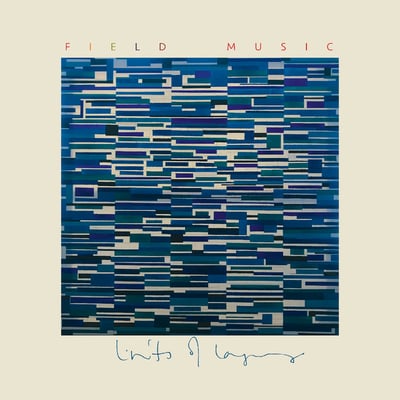
Field Music Limits of Language
Released Oct 11, 2024 Memphis Industries
Early read 2 professional reviews Updated Dec 31, 2025
Split critical consensus
Early read based on 2 professional reviews. Field Music's Limits of Language arrives as a restless, shape-shifting statement that pairs adventurous pop hooks with jagged experimentation, and across professional reviews it provokes equal parts admiration and reservation.
How ChoruScore worksCritics' Top Tracks
The songs critics returned to most
Turn the Hours Away
1 critic mention
“The record’s haunting mix of a futuristic outlook and retroism is most apparent on this sparse and pleasant song.” — Far Out Magazine
Six Weeks, Nine Wells
2 critic mentions
“Album opener and first single Six Weeks, Nine Wells pits the hazy ecstasies of school summer holidays against the fear and foreboding of a child” — Tinnitist
I Might Have Been Wrong
1 critic mention
“A potential ‘In the Air Tonight’ sample hints at the song’s steady building structure.” — Far Out Magazine
Full critic consensus
Field Music's Limits of Language arrives as a restless, shape-shifting statement that pairs adventurous pop hooks with jagged experimentation, and across professional reviews it provokes equal parts admiration and reservation. Critics register a record that revels in retro-futurism and synth textures while skirting moments of incoherence, producing a listening experience that feels energized but occasionally opaque. With a 56/100 consensus score drawn from 2 professional reviews, the critical reception frames the album as intriguing but uneven.
Reviewers consistently praise specific highlights where the band’s idiosyncrasies cohere into memorable songs. “Six Weeks, Nine Wells” emerges repeatedly as a standout, lauded for trading hazy nostalgia for prickly anxiety and foregrounding synthesised textures and found-sound percussion. Far Out Magazine also flags “Turn the Hours Away” and “I Might Have Been Wrong” as moments when pop clarity slices through controlled chaos, and the title track “The Limits of Language” is noted among the album’s more purposeful compositions. Critics agree that sonic experimentation, analogue-versus-digital tension, and a nostalgia-versus-anxiety theme drive the record’s strongest moments.
At the same time some reviews register a lack of sustained cohesion, suggesting that Field Music’s commitment to artistic perseverance and daredevil arrangements sometimes undercuts emotional focus. The consensus suggests listeners seeking the best songs on Limits of Language will find rich rewards in the highlighted tracks, while those expecting a uniformly polished set may find the album polarising. Below, the full reviews unpack where the record’s adventurous impulses succeed and where they fray.
Track Ratings
How critics rated each track, relative to this album (0-100). Only tracks that made critics feel something are rated.
Six Weeks, Nine Wells
The Guardian of Sleep
The Limits of Language
Sounds About Right
Absolutely Negative
Curfew in the Square
Turn the Hours Away
On the Other Side
The Waitress of St Louis'
I Might Have Been Wrong
Between the Bridges
Get the next albums worth your time.
Critic-backed picks in one clean digest. No clutter.
What Critics Are Saying
Deep insights from 4 critics who reviewed this album

Fa
Critic's Take
Field Music sound like they drank a jar of coffee and sprinted into the studio on Limits of Language, where pop hooks and berserk jazz collide to thrilling effect. The review delights in the album's retro-futurism, praising songs such as “Turn the Hours Away” and “I Might Have Been Wrong” for marrying wistful 1980s touches with invigorating modern production. Tom Taylor's voice revels in the record's manic energy and adventurous enthusiasm, noting how these best tracks offer clarity and invention amid the album's controlled chaos. Overall, the best songs on Limits of Language stand out because they turn eccentricity into irresistible melody, making them the record's clearest pleasures.
Key Points
-
The best song, “Turn the Hours Away”, best encapsulates the album’s retro-futurist hook and haunting production.
-
The album’s core strength is its adventurous blend of pop hooks, analogue textures and modern, sometimes manic, production.
Themes
mu

Critic's Take
Field Music return with Limits of Language, an album whose best tracks - notably “Six Weeks, Nine Wells” - trade hazy nostalgia for a prickly anxiety, making it one of the best songs on Limits of Language. The record’s finest moments put synthesised textures and found-sound percussion at the fore, so the best tracks on Limits of Language feel both curious and unsettling. In the reviewer’s voice, these songs demonstrate Peter and David Brewis’s bloody-minded devotion to making the music they want, which is why “Six Weeks, Nine Wells” stands out as a highlight.
Key Points
-
The best song, “Six Weeks, Nine Wells”, is the standout for its blend of hazy nostalgia and underlying dread.
-
The album’s core strengths are its synthesised textures, found-sound percussion and the Brewis brothers’ stubborn artistic vision.