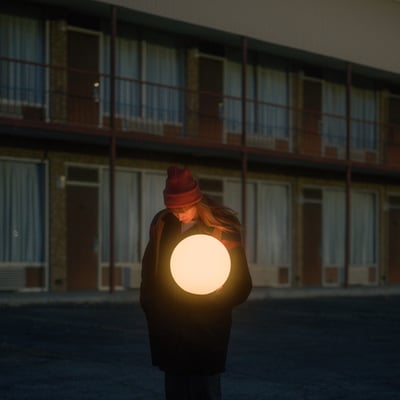
Flock of Dimes The Life You Save
Released Oct 10, 2025 Sub Pop Records
Early read 2 professional reviews Updated Nov 21, 2025
Broadly positive consensus
Early read based on 2 professional reviews. Flock of Dimes's The Life You Save arrives as a quiet, searching record that favors intimacy over catharsis, and critics largely agree it succeeds on those terms.
How ChoruScore worksCritics' Top Tracks
The songs critics returned to most
Theo
2 critic mentions
“Now I’m trying to tell you how to be/Afraid that what you do to you/You’ll do to me,” — Pitchfork
Close to Home
2 critic mentions
“On "Close to Home," a staccato, xylophone-like pop introduces the melody” — Paste Magazine
Keep Me in the Dark
2 critic mentions
“or like deeply humane sermons, such as "Keep Me in the Dark," about the various futile ways we can try to resist love, which succumbs to a beautiful flowing stream of a chorus.” — Pitchfork
Full critic consensus
Flock of Dimes's The Life You Save arrives as a quiet, searching record that favors intimacy over catharsis, and critics largely agree it succeeds on those terms. Across professional reviews the album earned a 75.5/100 consensus score from 2 reviews, with praise for songs that trade drama for small, revealing moments. Tracks repeatedly singled out include “Theo”, “Close to Home” and “Long After Midnight”, which critics identify as some of the best songs on The Life You Save for their melodic focus and emotional restraint.
Reviewers note recurring themes of humility, caregiving and the duality of love and loss, describing Jenn Wasner's songwriting as inward, observant and attentive to habit, agency and uncertainty. Pitchfork highlights how “Theo” and “Afraid” land as quiet gut punches that unpack the cost of being a rescuer, while Paste points to “Long After Midnight” and “Defeat” as structurally clear moments where guitar intimacy and lyrical clarity converge. Critics consistently praise the album's patient arrangements and vocal-centered production, calling it Wasner's most introspective work.
While the record is not theatrical — some reviewers frame that restraint as a limitation for listeners seeking bigger hooks — the critical consensus recommends The Life You Save as a thoughtful, consolation-minded collection worth repeated listens. The detailed reviews below unpack how specific songs like “Keep Me in the Dark” and “Afraid” contribute to an album shaped by letting go, self-reflection and quiet repair.
Track Ratings
How critics rated each track, relative to this album (0-100). Only tracks that made critics feel something are rated.
Afraid
Keep Me in the Dark
Long After Midnight
Defeat
Close to Home
The Enemy
Not Yet Free
Pride
Theo
Instead of Calling
River in My Arms
I Think I'm God
Get the next albums worth your time.
Critic-backed picks in one clean digest. No clutter.
What Critics Are Saying
Deep insights from 2 critics who reviewed this album

Critic's Take
On The Life You Save, Flock of Dimes trades big catharsis for limpid, intimate reckonings, and the best songs - notably “Theo” and “Afraid” - land like quiet gut punches. Laura Snapes threads tenderness and accountability through hushed folktronic arrangements, privileging vocal melody and small, revealing lines over high drama. The record feels safe in the productive way of asking hard questions, which is why the best tracks on The Life You Save reward repeated listens: they unpack the cost of being a rescuer with tenderness rather than sermonizing. This is music of softened weather and careful observation, where songs like “Close to Home” and “Not Yet Free” act as modest, humane centerpieces.
Key Points
-
The best song is "Theo" because its lyric and warm harmonies deliver a direct emotional gut punch that crystallizes the album's themes.
-
The album's core strengths are its tender, folktronic arrangements, consoling vocal melodies, and a reflective focus on humility and caregiving.
Themes

Critic's Take
Jenn Wasner leans inward on The Life You Save, letting songs like “Long After Midnight” and “Defeat” reveal the record’s clearest emotional architecture. Ha’s prose is patient and observant, celebrating how “Long After Midnight” thrums and how “Defeat” arrives rippling and delicate, each track wrapping around Wasner’s vocal core. The review highlights these songs as the best tracks on The Life You Save because they balance warmth and reckoning, guitar intimacy and lyrical clarity. Overall, the critic frames the album as Wasner’s most introspective, where insight and catharsis outweigh spectacle.
Key Points
-
The best song, "Long After Midnight", is the album’s emotional centerpiece due to its looping thrum and instrumental color.
-
The album’s core strengths are intimate vocals, careful arrangements, and a steady focus on introspection and the dualities of love and self.