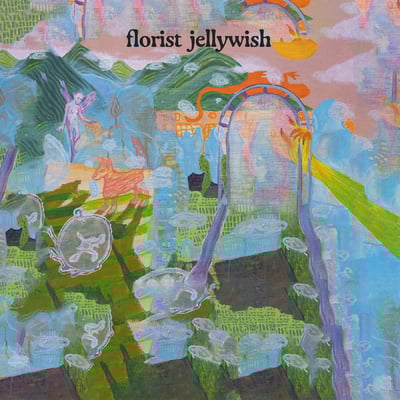
Florist Jellywish
Released Apr 4, 2025 Double Double Whammy
Established consensus 7 professional reviews Updated Nov 30, 2025
Mostly positive consensus
Florist's Jellywish opens as a hushed, reflective collection that sets intimacy and ecological worry side by side, and critics largely agree it rewards patient listening.
How ChoruScore worksCritics' Top Tracks
The songs critics returned to most
Levitate
5 critic mentions
“Every day I awake, wait for the tragedy” is a hell of an opening line” — Far Out Magazine
Have Heaven
5 critic mentions
“The adept finger picking of “Levitate” gives way to gently insistent toms on “Have Heaven,” — Under The Radar
Gloom Designs
5 critic mentions
“I want to know what exists between the veil / make some sounds that no one wants to hear” — The Line of Best Fit
Full critic consensus
Florist's Jellywish opens as a hushed, reflective collection that sets intimacy and ecological worry side by side, and critics largely agree it rewards patient listening. Across seven professional reviews the record earned a 70.43/100 consensus score, with reviewers praising its gentle, sparse instrumentation and moments of luminous tenderness even as some missed earlier expansiveness. Critics consistently point to quiet centerpiece songs as the album's emotional anchors.
Reviewers repeatedly name “Levitate”, “This Was A Gift”, “Moon, Sea, Devil”, “Have Heaven” and “Our Hearts In A Room” among the best songs on Jellywish. Praise centers on Emily Sprague's breathy, consoling vocal delivery, and on songwriting that balances grief, mortality and awe at the natural world - themes of climate grief, rebirth, domestic life and the duality of joy and sadness appear across reviews. Several critics highlight the album's meditative ecopolitical reflections and precise domestic detail, saying the record's strength lies in modest epiphanies rather than grand gestures.
Not all responses are unanimous: some critics lament a retreat from earlier expansiveness and find parts of the record too spare, while others celebrate its laconic hooks and intimate revelations. The critical consensus suggests Jellywish is a quietly affecting follow-up that will resonate most with listeners drawn to fragile, contemplative songcraft. For more detailed takes and a track-by-track look at the standout songs and themes, read the full reviews below.
Track Ratings
How critics rated each track, relative to this album (0-100). Only tracks that made critics feel something are rated.
Levitate
Have Heaven
Jellyfish
Started To Glow
This Was A Gift
All The Same Light
Sparkle Song
Moon, Sea, Devil
Our Hearts In A Room
Gloom Designs
Get the next albums worth your time.
Critic-backed picks in one clean digest. No clutter.
What Critics Are Saying
Deep insights from 7 critics who reviewed this album

Critic's Take
In a voice that marvels at small miracles, Florist make Jellywish feel like a porous hymn to wonder and loss. The review keeps returning to the luminous centerpieces “This Was a Gift” and “Moon, Sea, Devil” as exemplars of the record’s mix of tenderness and quiet rupture. The writer’s eye for domestic detail means the best tracks on Jellywish feel lived-in and incandescent, songs that hold grief and awe in the same palm. Overall the album’s best songs become modest epiphanies - fragile, expansive moments that reward close listening.
Key Points
-
“This Was a Gift” is best for its bittersweet expansion from simple beginnings into jubilant, guitar-driven catharsis.
-
The album’s core strengths are its intimate domestic detail, a sense of wide-eyed awe, and tasteful blending of folk and ambient textures.
Themes

Critic's Take
In a quietly affecting turn on Jellywish, Florist delivers some of her most intimate work, led by the hushed inquisitiveness of “Levitate” and the buoyant relief of “Sparkle Song”. John Amen hears Sprague’s whispery vocal and understated hooks as the album’s chief pleasures - the meditative ecopolitical reflections and relational scrutiny make these tracks stand out. For listeners asking about the best songs on Jellywish, “Levitate” and “Sparkle Song” capture the record’s blend of immediacy and lyrical curiosity. The record’s strength is its laconic lyrics, enrolling melodies, and sincere vocals that make private moments feel universal.
Key Points
-
The best song, “Levitate”, is best for its whispery vocal, understated hook, and pointed ecopolitical lyric.
-
The album’s core strengths are laconic lyrics, enrolling melodies, and sincere, intimate vocals that make private moments feel universal.
Themes

Fa
Critic's Take
Matthew Ingate hears the end of the world and softens it with beauty on Jellywish. Ingate praises songs like “Our Hearts in a Room” and “Have Heaven” for their hushed power and inventive imagery, arguing that the best tracks make mortality feel transportive rather than crushing. The review keeps returning to Emily Sprague’s breathy vocal and the album’s sparse, weightless arrangements as the reason the best songs on Jellywish land so effectively.
Key Points
-
“Our Hearts in a Room” is the album standout thanks to its beautiful writing and hushed delivery.
-
The album’s core strength is its gentle, spacious arrangements that make heavy themes feel transportive.
Themes

Critic's Take
Florist's Jellywish feels like a late-night conversation that privileges intimacy and mortality, and the best tracks - “Levitate”, “This Was A Gift”, and “Gloom Designs” - crystallize that. Abercrombie leans into Sprague's confessional songwriting, noting how “Levitate” opens with blunt questions of purpose while “This Was A Gift” offers the record's sharpest line. The record's quieter moments, especially on “Gloom Designs”, arrive as radical acceptance rather than tidy answers. Overall the album's strength is its ability to hold joy and sadness together, making those songs stand out as Jellywish's best tracks.
Key Points
-
The best song, "This Was A Gift", is best for delivering the album's most striking line about survival and love.
-
The album's core strength is intimate, confessional songwriting that balances joy and sorrow with spare, delicate arrangements.
Themes

Critic's Take
In a voice that comforts rather than admonishes, Florist’s Jellywish finds its best tracks in quieter revelations - notably “Levitate” and “Have Heaven”, where Sprague’s questions and the album’s mission statement settle into the bones of the songs. Lighter moments like “Jellyfish” and “Sparkle Song” provide melodic buoyancy and charm, while closer “Gloom Designs” brings the album’s grief into focus with household sounds and hard images.
Key Points
-
“Levitate” is the best song because it frames the album’s central question and emotional tone from the first line.
-
The album’s core strength is delivering heavy themes and grief in the calmest, understated folk-tinged arrangements.
Themes

Critic's Take
I miss the earlier expansiveness, but Florist make moments of real tenderness on Jellywish, especially on "Jellyfish" and "All The Same Light". The record moves between sparse reflection and surer melodic focus, which makes "Jellyfish" feel like the best track on the album. For listeners searching for the best songs on Jellywish, those quieter, patient pieces repay repeated plays. The band’s recalibration is quietly persuasive.
Key Points
-
The best song is one of the quieter, patient pieces that shows the band’s recalibration and tenderness.
-
The album’s core strengths are intimate songwriting and moments of melodic clarity amid a reevaluation of band identity.