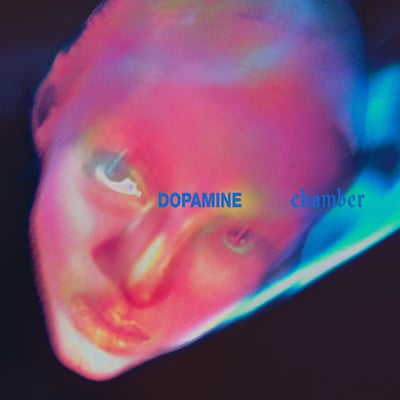
Fontaines D.C. Dopamine Chamber
Released Oct 16, 2026 XL Recordings
Established consensus 9 professional reviews Updated Oct 16, 2026
Strong critical consensus
Fontaines D.C.'s Dopamine Chamber turns digital-age disconnection into grand, uneasy pop, and critics largely agree the band's expanding sound pays off.
How ChoruScore worksCritics' Top Tracks
The songs critics returned to most
Where Is Gone?
9 critic mentions
“This cinematic edge reaches an almighty conclusion on the haunting ‘Where Is Gone’, an orchestral duet which features the vocals of Rosalía” — Rolling Stone UK
Japan
8 critic mentions
“It’s a really great indie pop song, portraying a wealthy girl and her sort of absent, kind of grifting lower status boyfriend in Asia:” — Beats Per Minute
Six Shot Morning
7 critic mentions
“From the opening throb of ‘Six Shot Morning’, their efforts to dig deeper into the electronic elements introduced on 2024’s Romance are immediately evident.” — Hot Press
Full critic consensus
Fontaines D.C.'s Dopamine Chamber turns digital-age disconnection into grand, uneasy pop, and critics largely agree the band's expanding sound pays off. Across nine professional reviews, it earns an 87.44/100 consensus score, with reviewers praising its cinematic sweep, adventurous production, and emotionally charged songwriting.
The standout is “Where Is Gone?”, singled out by all nine critics for its tender duet, dramatic rise, and almost Bond-theme scale. “Japan” also resonates across the reviews, pairing a memorable melody with reflections on romantic distance and escapism. Critics additionally highlight “Marianne” for its dreamlike synth-and-string atmosphere and “Mimesis” for its Depeche Mode-like electronic textures. Elsewhere, “Tongue” moves restlessly between hip-hop influence and swelling strings, while “One Man” gives its critique of instant gratification an unexpectedly anthemic frame. These are among the best songs on Dopamine Chamber, each showing a different facet of the band's sonic evolution.
That ambition does not land uniformly. Some reviewers find the record's distinct chapters difficult to unify, and a few songs seem less sure of their identity; the closing track, “Intimate”, leaves one critic wanting a more resolved finish. Still, the critical consensus favors the risks: Fontaines D.C. temper an intense, synthetic sound with romance, striking hooks, and moments of genuine warmth. For listeners wondering whether Dopamine Chamber is worth hearing, its strongest songs make a compelling case, even as the album's uneven stretches invite debate.
Track Ratings
How critics rated each track, relative to this album (0-100). Only tracks that made critics feel something are rated.
Six Shot Morning
Marianne
Mimesis
Happy For You
Demolition
Tongue
One Man
Where Is Gone?
You Miss Me
Japan
Intimate
Get the next albums worth your time.
Critic-backed picks in one clean digest. No clutter.
What Critics Are Saying
Deep insights from 9 critics who reviewed this album

Critic's Take
Fontaines D.C. lock further into their “produced” era on Dopamine Chamber, where the cold reflections of our current state of affairs cross-pollinate seamlessly with exquisite psych-ballads. The best tracks on Dopamine Chamber find the band stretching their sound without wearing an ill-fitting costume: “Mimesis” tangles Depeche Mode into their sonic identity, while “Tongue” shapeshifts from hip-hop beat to soaring strings. The most impressive performance is “Where Is Gone?”, a sumptuous duet that genuinely stops you in your tracks. And in “Japan”, the loss of feeling thaws in a warm glow of escapism, cloaked with a gorgeous rise and fall melody.
Key Points
-
“Where Is Gone?” stands out for its sumptuous exchanges, cinematic instrumentation, and emotionally shaken vocal interplay.
-
The album’s core strength is how its cold synth reflections and warm escapist ballads cross-pollinate while pushing the band’s sound into another dimension.
Themes
In
Critic's Take
Fontaines D.C. sound like a band that knows exactly how far it can push itself on Dopamine Chamber, and how much further it can take us. The best songs on Dopamine Chamber make that expansion feel less like a reinvention than a deliberate obscuring: “Six Shot Morning” collapses into overload, while “Demolition” snaps back into focus with an impossibly catchy chorus and a slight poison underneath it. On “One Man,” the title becomes a diagnosis, its grand strings interrupted by the sound of children playing outside a cathedral, evidence of being truly alive. And “Japan” leaves Chatten alone with an acoustic guitar, circling a line until it morphs into an accusation rather than a question.
Key Points
-
“One Man” is most revealing because the children’s voices interrupt the song’s numbness with evidence of being truly alive.
-
The album’s core strength is how Fontaines D.C. push into new sounds without settling into a fixed version of themselves.
Themes

Critic's Take
Fontaines D.C. prove themselves right and then some on Dopamine Chamber, a record firing on all cylinders. The best tracks on Dopamine Chamber make room for startling shifts in sound: “Mimesis” sounds closer to Depeche Mode, while “Tongue” bucks and roils, seconds from disintegrating. “Where Is Gone?” stands as a kind of alternate universe where Fontaines lean into the analogue, not the digital, helped along by an absolutely stunning feature from Rosalía. Meanwhile, “Happy For You” is propelled along by crunching guitars, and “Japan” is closer in spirit to their earlier work. Despite these shifts in sound and direction, this is still unmistakably a Fontaines D.C. record.
Key Points
-
“Where Is Gone?” stands out for its lush orchestration and absolutely stunning Rosalía feature.
-
The album's core strength is its confident experimentation, making its shifts in sound feel like natural steps in the band's evolution.
Themes
Ro
Critic's Take
Fontaines D.C. have made the best songs on Dopamine Chamber feel like a far more enjoyable prospect than the doomscrolling which defines our days. “Marianne” is an unsettling, Lynchian invitation, while the soaring synths of “Mimesis” already sound ready for the stadiums. The cinematic edge reaches an almighty conclusion on “Where Is Gone?”, before the woozy “Japan” stands up as one of the most beautiful songs Fontaines D.C. have ever recorded. We might be sailing towards the abyss, but this generational band is ensuring that the journey will sound glorious.
Key Points
-
“Japan” is the standout for its woozy beauty, called one of the most beautiful songs Fontaines D.C. have recorded.
-
The album’s core strengths are its bold electronic experimentation, cinematic arrangements, and songs that make an anxious present sound glorious.
Themes
Ho
Critic's Take
Fontaines D.C. are moving even further away from the live guitar emphasis of their earlier work on Dopamine Chamber, embracing new styles in ways that are, by turns, liberating and devastating. “Japan” brilliantly explores the messiness of a modern relationship, while the feverish, hip-hop-inspired “Tongue” ventures into more menacing terrain. “One Man” and “Where Is Gone?” offer a tender, mid-album respite from this intense, largely synthetic world. The best tracks on Dopamine Chamber include “Where Is Gone?”, boasting the sweeping power of a Bond theme, but carved out with genuine emotion and depth. It’s another stand-out on what is unquestionably one of the true landmark albums of 2026.
Key Points
-
“Where Is Gone?” stands out for the sweeping power of a Bond theme, joined to genuine emotion and depth.
-
The album’s core strengths are its captivating dramatic scenes, sinister synthetic world, and exploration of loneliness and social decay.
Themes

Critic's Take
Fontaines D.C. linger in the fallout zone of Dopamine Chamber, a darker space where unfettered access to just about everything has left us connected to nothing at all. The best tracks on Dopamine Chamber include “One Man,” whose feathery strings swell into a grand anthemic climax as Grian Chatten examines the gluttonous pursuit of instant gratification. The lead single “Marianne” delivers a sonorous meditation on escapism, its synth and string sections the perfect dreamy seasoning for the lyrics. “Six Shot Morning” sets an unmistakable tone, while the unexpected pairing on “Where Is Gone?” forms a delicate union that thrives in its differences.
Key Points
-
"One Man" is the standout for its feathery strings building to a grand anthemic climax and lyrics that express the album's thesis.
-
The album's synth-heavy sound and existential themes make its meditations on the modern world potent.
Themes

Critic's Take
Fontaines D.C. have been wanting to make Dopamine Chamber, and on “Marianne” they dive headfirst into an intensity not yet heard from the band. “Where Is Gone?” acts almost like a pseudo-Bond theme, instrumentally sultry yet ambiguous, before shaping into an acoustic guitar-fuelled ballad. The best tracks on Dopamine Chamber balance an inherent darkness and obscurity with stunning passages of music, while “Mimesis” offers a poppier moment of relief.
Key Points
-
“Marianne” is a standout for an intensity the reviewer says Fontaines D.C. have not reached before.
-
The album's core strength is balancing darkness and obscurity with stunning passages of music and constantly shifting drum sounds.
Themes

Critic's Take
Fontaines D.C. find a great number of standouts and highlights on Dopamine Chamber, though its three distinct chapters never quite unite in one great gesture. The best songs on Dopamine Chamber are the cinematic, rousing, sad love songs, with “Where Is Gone?” breaking a personal rule and sounding destined to be canonised as one of the great moments in pop. “You Miss Me” continues that romantic, deeply nostalgic tone, while “Tongue” is much more interesting and experimental than the generic “Demolition”. “Japan” is such a great, funny little send-off, but the quizzical closer “Intimate” leaves the album strangely confined and unfinished.
Key Points
-
“Where Is Gone?” is the best song for its bafflingly brilliant orchestral duet, memorable refrain, and grand pop expressiveness.
-
The album's strongest moments unite cinematic romantic songs with risks in sound and sharp writing about wealth, class, and relationships.
Themes

Critic's Take
Fontaines D.C. strive to elaborate on the template employed for Dopamine Chamber, and the best tracks on the album show both the promise and the strain of that ambition. “Marianne” has one of the album's catchier melodies, opaque enough to sustain a sense of mystery but concrete enough to draw one in. “Where Is Gone?” oozes mainstream, primetime potential, its voices movingly blended on the chorus, even if it slightly overstays its welcome. Things pick up with the simple yet entrancing melodies of “Japan”, while “Intimate” finds the hoped-for hook. Unfortunately, the pop savvy appears less consistently, leaving various tunes groping for identity.
Key Points
-
“Where Is Gone?” is the best song for its primetime potential and the moving blend of Chatten and Rosalía's voices.
-
The album's strongest moments pair memorable melodies and hooks with adventurous noise and orchestral color, though the pop savvy is inconsistent.