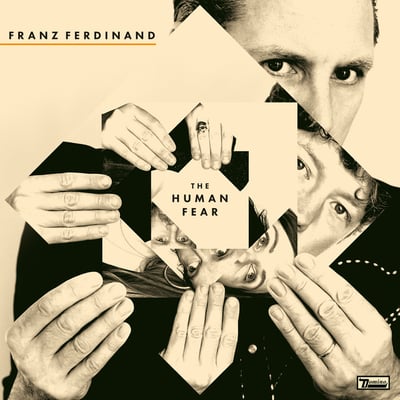
Franz Ferdinand The Human Fear
Released Jan 10, 2025 Domino Recording Co
Established consensus 14 professional reviews Updated Aug 25, 2026
Split critical consensus
Franz Ferdinand's The Human Fear arrives as a willful, intermittently thrilling return that prizes big choruses and dance-ready hooks while wrestling with signs of middle-age reflection.
How ChoruScore worksCritics' Top Tracks
The songs critics returned to most
Audacious
13 critic mentions
“dancing between the strands of the band’s DNA of scratchy garage rock in the verse and the glam-pomp of the chorus” — New Musical Express (NME)
Night Or Day
11 critic mentions
“Audacious’, ‘Build It Up’ and ‘Night or Day’ imbue the angular strut of old with new energy and urgency” — DIY Magazine
Black Eyelashes
10 critic mentions
“Later, on “Black Eyelashes” he displays a dramatic flair as he sashays through a musical arrangement rooted in Greek rebetiko.” — Paste Magazine
Full critic consensus
Franz Ferdinand's The Human Fear arrives as a willful, intermittently thrilling return that prizes big choruses and dance-ready hooks while wrestling with signs of middle-age reflection. Across professional reviews, critics find the record most compelling when it leans into stomp and swagger - notably on “Audacious”, “Hooked” and “Night Or Day” - where brassy flourishes, tumbling piano and kinetic bass reclaim the band's earlier bite.
The critical consensus is divided but clear: the album earned a 63.79/100 consensus score across 14 professional reviews, with reviewers consistently praising standout tracks for their immediate pop appetite and live-performance potential. Publications from Rolling Stone and NME celebrate the celebratory urgency of “The Birds” and the opener “Audacious”, while Paste, Clash and DIY point to sonic variety and bold vocal exploration on “Black Eyelashes” and “Night Or Day”. Critics repeatedly note themes of confronting fear, nostalgia for misspent youth, and a tension between stadium ambition and homespun immediacy.
That praise is balanced by recurring complaints: several reviewers highlight plodding choruses, uneven songwriting and overpolished production that dilute moments of grit. Outlets such as PopMatters, No Ripcord and The Guardian argue the record drifts into safe territory, producing charm in fragments rather than sustained reinvention. Still, the best songs on The Human Fear demonstrate why Franz Ferdinand's blend of indie-sleaze and glam-pop can still provoke grin-worthy moments.
For readers hunting an answer to "is The Human Fear good" or which are the best songs on The Human Fear, the short verdict from critics is: select tracks make the record worth hearing, though its uneven execution keeps it from matching the band's peak achievements.
Track Ratings
How critics rated each track, relative to this album (0-100). Only tracks that made critics feel something are rated.
Audacious
Everydaydreamer
The Doctor
Hooked
Build It Up
Night Or Day
Tell Me I Should Stay
Cats
Black Eyelashes
Bar Lonely
The Birds
Get the next albums worth your time.
Critic-backed picks in one clean digest. No clutter.
What Critics Are Saying
Deep insights from 14 critics who reviewed this album

Critic's Take
What should Franz Ferdinand sound like in 2025? The review answers that on The Human Fear, where the best songs - “Hooked”, “Audacious” and “Night or Day” - marry the band’s angular strut with fresh urgency. Joe Goggins revels in the album’s sonic variety, calling out the disco stomp of “Hooked” as possibly the standout while praising the kinetic thrust of “Audacious” and the renewed energy of “Night or Day”. It’s a record that leans into big choruses and ambition, and those tracks best show why the band still matters.
Key Points
-
The disco-stomp of “Hooked” stands out as the album’s high point because it breaks new ground with exuberant production.
-
The album’s core strengths are its sonic variety and renewed energy, with big, chorus-driven songs that update the band’s classic strut.
Themes

Critic's Take
Franz Ferdinand’s The Human Fear feels like a giddy resurrection, and the best songs - notably “The Birds” and “Night Or Day” - supply the album’s urgency and swagger in spades. Rob Sheffield writes with the same celebratory, lived-in relish he uses throughout the review, praising a band that turns tales of misspent youth into sharply angled pop hooks. The record’s high points, from the rembetiko flirt of “Black Eyelashes” to the Roxy-esque drift of “Bar Lonely”, are what make the best tracks on The Human Fear the ones you keep going back to. This is a Franz Ferdinand comeback that rewards starting on Side Two - the best tracks on The Human Fear are the ones that stomp, croon, and make you dance with guilty grins.
Key Points
-
The album’s strengths are tight three-minute pop songs that blend indie-sleaze, glam piano, and rembetiko-derived flair.
Themes

Critic's Take
Franz Ferdinand sound defiantly themselves on The Human Fear, where the best songs like “Audacious” and “Hooked” bulldoze between garage grit and glam chorus pomp. The review leans into how “Audacious” announces Franz 3.0 with scratchy garage verses and an echoing chorus, while “Hooked” is named as an album highlight for capturing "the human fear" and midnight obsessions. Overall the record is praised as vivacious and unmistakably Franz-y, recommended for those who want the best tracks on The Human Fear delivered with swagger and heart.
Key Points
-
‘Hooked’ is the best song because it is explicitly called the album highlight and encapsulates the record's themes of obsession and fear.
-
The album’s core strengths are its confident embrace of band identity, dance-punk revivalism, and a balance of nostalgia and fresh ideas.
Themes

Critic's Take
In his measured, slightly wry voice Eric R. Danton argues that Franz Ferdinand's The Human Fear contains clear highlights, notably “Everydaydreamer” and “Audacious”, which showcase the band's renewed boldness. He foregrounds how Julian Corrie's keyboard textures give songs like “Everydaydreamer” and “Night Or Day” fresh sonic life while Kapranos stretches his voice on “Black Eyelashes” and the theatrical “Audacious”. The review presents the album as sleek and expansive rather than a frantic return to form, and it isolates the best tracks by how they rework the band’s familiar dance-y backbeats and serrated guitar lines. Overall, Danton frames the best songs on The Human Fear as evidence that Franz Ferdinand have found renewal in risk, even if they still carry the long shadow of their debut.
Key Points
-
“Everydaydreamer” is the best song because Corrie’s keyboards and Kapranos’ vocal climb give it dynamic payoff.
-
The album’s core strengths are its sleek production, expanded keyboard textures, and Kapranos stretching his vocals.
Themes


Critic's Take
There’s a keening immediacy at the heart of The Human Fear, and Franz Ferdinand’s best songs - notably “Audacious” and “Black Eyelashes” - crystalize that pop appetite with theatrical confidence. Robin Murray relishes the band’s leap into risk-taking, praising the preening charm of “Audacious” and the baroque-disco ambition of “Black Eyelashes”. Meanwhile “Night Or Day” is singled out for its tumbling piano and Sparks-like wit, giving the record both daring and instant hooks. The result is a fun, lean album that sounds fresh and vibrant rather than nostalgic.
Key Points
-
‘Black Eyelashes’ is the most ambitious, described as a baroque-disco standout built for festival stomp.
-
The album’s core strengths are immediacy, pop appetite, and risk-taking that keep it sounding fresh and vibrant.
Themes

Critic's Take
The review reads like a knowing shrug: Franz Ferdinand return on The Human Fear with tidy hooks and retro swagger, and the best songs - notably “Audacious” and “The Birds” - show why the band still matters. The writer praises the McCartney-esque chorus of “Audacious” and singles out “The Birds” as the only moment that really wiggles into anxiety, while lamenting that much of the record plays it safe. In that voice of wry distance, the album is praised for amiable craftsmanship even as it is faulted for lacking punkish exhilaration, making the best tracks stand out by contrast.
Key Points
-
“The Birds” is the album’s best moment because it injects genuine anxiety and post-punk energy.
-
The album’s core strengths are tidy hooks, retro swagger, and amiable character sketches, though it largely plays it safe.
Th
Critic's Take
Franz Ferdinand's The Human Fear finds revitalisation rather than reinvention, with early tracks like “Audacious” and “Hooked” fizzing with ideas and demanding the dancefloor. Yet the record falters mid-album, where songs such as “Tell Me I Should Stay” and “Cats” sag into watered-down pastiche, diluting the momentum that opens the record. Overall, the best songs on The Human Fear are those early, chorus-forward numbers that restore some of the band's old spark.
Key Points
-
The standout “Hooked” is the album's most immediate, dancefloor-ready triumph.
-
The album's core strength is revitalisation through punchy choruses and Kapranos's distinctive delivery, though the middle sag undermines momentum.
Themes

Critic's Take
Franz Ferdinand's The Human Fear thrives most when it recalls the band's early swagger, with tracks like “Audacious” and “Night Or Day” delivering the best moments. The reviewer writes in a measured, slightly sardonic tone, noting that opener “Audacious” feels natural and “Night Or Day” leans hard into the original sound - these are the best songs on The Human Fear because they recapture punch and memorable choruses. Lesser experiments such as “Everydaydreamer” and the later tracks are discussed as uneven, leaving the album feeling a bit lumpen by the close. Overall, the best tracks on The Human Fear reveal why Franz Ferdinand still matter, even if the record as a whole is only intermittently thrilling.
Key Points
-
The best song is the opener “Audacious” because it feels natural and recaptures the band’s earlier exuberance.
-
The album’s core strengths are moments that revisit the original Franz Ferdinand sound, memorable choruses, and tasteful contemporary touches.
Themes

Critic's Take
In a typically wry and measured tone Ray Finlayson argues that Franz Ferdinand's The Human Fear finds its best moments in concise, slightly sparkling tracks rather than wholesale reinvention. He points to “Audacious” and “Build It Up” as the album's clearest winners, praising the former's self-affirming chorus and the latter's irresistible hook. The reviewer also highlights closing fracas “The Birds” as a welcome burst of post-punk noise, even if it ends too soon. Overall, the piece frames the record as earnest and occasionally thrilling, but too often safe and mid-range compared with the band's peak.
Key Points
-
The best song is "Audacious" because its confident chorus and era-bridging riff make it the clearest standout.
-
The album's core strengths are theme-driven vulnerable lyrics and occasional sparkling tracks, tempered by safe, mid-range instrumentals.
Themes

Critic's Take
Franz Ferdinand's The Human Fear is a patchy comeback that nevertheless yields best tracks like “Audacious” and “Tell Me I Should Stay”. The reviewer praises “Audacious” for its pomp, energy and brass counterpoint, calling it genuinely brilliant, while “Tell Me I Should Stay” supplies the record's most heartfelt, melodic moment. Other highlights such as “The Doctor” and “Hooked” show interesting stylistic shifts but are let down by sloppy lyrics or uneven production. Overall, the record flirts with brilliance yet too often reverts to meandering, directionless moments.
Key Points
-
“Audacious” is best because it combines pomp, energy, strong drums and brass to achieve genuine brilliance.
-
The album's core strengths are strong bass work, moments of melodic heart, and songs that may improve in live settings.
Themes

Critic's Take
Franz Ferdinand's The Human Fear reads like a band rummaging through its past, occasionally finding a gleam - the best songs on The Human Fear, notably “Cats” and “Night Or Day”, offer brief rewards amid misfires. David Coleman's voice is blunt and unsparing, noting that the chorus of “Cats” made his jaw hit the floor while other moments, like “Night Or Day” and “Tell Me I Should Stay”, settle into a more relaxed, repeat-listen groove. He argues the record yields only a few half-decent tracks, so anyone searching for the best tracks on The Human Fear will find them in those calmer, more melodic numbers. The review keeps circling the sense that Franz Ferdinand once led the pack, but here their attempts to recapture that spark mostly fall short.
Key Points
-
The best song is “Cats”, whose chorus and final line earn the reviewer's strongest praise.
-
The album's core strengths are a few relaxed, repeat-listen tracks and occasional callbacks to the band's earlier post-punk sound.
Themes
Fa
Critic's Take
Franz Ferdinand’s The Human Fear feels like a band trying to age gracefully while occasionally forgetting what made them bracing in the first place. Yet the dominant complaint - slick, overpolished production - saps much of the record’s energy and renders several songs sterile rather than invigorating. The best tracks stand out because they reclaim some grit, hooks and songwriting flair amid an otherwise cautious, tidy collection.
Key Points
-
The album’s core strength is moments of strong songwriting and hooks, but overpolished production and cautiousness dilute its vitality.
Themes

Critic's Take
If you want to know the best songs on The Human Fear, Rachel Aroesti’s eye falls on the opener and the 70s-tinged moments even as she scolds the band for losing its bite. Franz Ferdinand start promisingly: “Audacious” opens with Kapranos muttering over a pleasingly grainy riff, but it is undercut by a sweeping, plodding chorus that undercuts its ambition. Tracks such as “Bar Lonely” and “Tell Me I Should Stay” channel 70s glam to pleasant, if unremarkable, ends, which makes them among the album’s most listenable moments despite their tame execution. The review implies that while these songs stand out as the best on The Human Fear, they do so by default rather than by recapturing Franz Ferdinand’s old spark.
Key Points
-
The best song is effectively the opener, “Audacious”, because it shows promise with a grainy riff even as the chorus collapses its momentum.
-
The album’s core strength is its ability to conjure pleasant 70s glam pastiche, though it lacks the bite and vitality of the band’s earlier work.