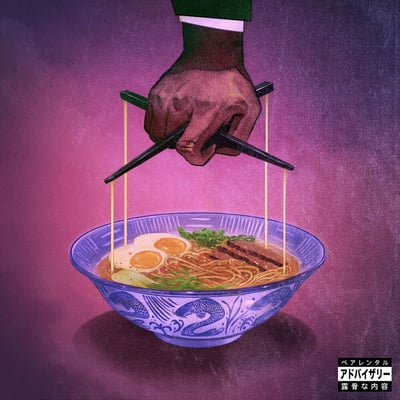
Freddie Gibbs & The Alchemist Alfredo 2
Released Jul 25, 2025 Freddie Gibbs and Alchemist
Established consensus 5 professional reviews Updated Nov 23, 2025
Broadly positive consensus
Freddie Gibbs's Alfredo 2 arrives as a confident sequel that doubles down on cinematic crime narratives and production craftsmanship, earning praise for both partnership chemistry and tightly sequenced storytelling.
How ChoruScore worksCritics' Top Tracks
The songs critics returned to most
Jean Claude
5 critic mentions
“On “Jean Claude”, Gibbs ... asserts his confidence with " No matter how hard they plot / I can’t be knocked from my spot” — RapReviews.com
Ensalada (feat. Anderson .Paak)
4 critic mentions
“The album features three guest appearances and the first of which is Anderson .Paak on “Ensalada” — RapReviews.com
Lemon Pepper Steppers
4 critic mentions
“Tracks like “Lemon Pepper Steppers” and “Shangri-La” can best and simply be described as smooth as fuck.” — Consequence
Full critic consensus
Freddie Gibbs's Alfredo 2 arrives as a confident sequel that doubles down on cinematic crime narratives and production craftsmanship, earning praise for both partnership chemistry and tightly sequenced storytelling. Across five professional reviews the record has secured an 82.2/100 consensus score, with critics repeatedly pointing to a mix of opulence, paranoia and moral ambiguity that gives the album its charged atmosphere.
Critics consistently highlight “1995” and “Ensalada (feat. Anderson .Paak)” as standout tracks, while “Lemon Pepper Steppers”, “Jean Claude” and “A Thousand Mountains” emerge as among the best songs on Alfredo 2. Reviewers praise The Alchemist's cinematic, jazz-tinged production - woodwinds, moody piano and sunlit fusion textures recur in notes from RapReviews.com, Beats Per Minute and Clash - and credit Gibbs' technical rapping, vivid wordplay and autobiographical crime storytelling for keeping sequel momentum from feeling rote. Across professional reviews, the album's concision and three-act sequencing are seen as strengths that allow both atmospheric interludes and propulsive highs to breathe.
That consensus is not without caveats. Pitchfork and other critics point to occasional lull moments - songs like “Feeling” and “Shangri La” receive mixed mention - arguing the record reaches its peak when Gibbs shakes off sequelly autopilot and leans into formal intensity. Even so, the prevailing impression frames Alfredo 2 as a return-to-roots collaboration that balances melancholia with warmth, offering craft-forward production and several must-listen tracks that reaffirm Freddie Gibbs and The Alchemist's creative rapport. For readers searching for an Alfredo 2 review or wondering what the best songs are, the critical consensus signals a largely favorable, thoughtfully produced sequel worth exploring.
Track Ratings
How critics rated each track, relative to this album (0-100). Only tracks that made critics feel something are rated.
1995
Mar-a-Lago
Lemon Pepper Steppers
Ensalada (feat. Anderson .Paak)
Empanadas
Skinny Suge II
Feeling (feat. Larry June)
I Still Love H.E.R.
Shangri La
Gas Station Sushi
Lavish Habits
Gold Feet (feat. J.I.D.)
Jean Claude
A Thousand Mountains
Get the next albums worth your time.
Critic-backed picks in one clean digest. No clutter.
What Critics Are Saying
Deep insights from 6 critics who reviewed this album

Critic's Take
Freddie Gibbs & The Alchemist return with Alfredo 2, and the best songs - notably “1995” and “A Thousand Mountains” - crystallize the album's Tokyo-set crime cinema and narcotic swagger. The opener “1995” sets the tone with cinematic soundscapes and picturesque lyrics, while the closing “A Thousand Mountains” is the most cinematic, its woodwinds and moody piano making the sequel feel like a film. Tracks like “Mar-a-Lago” and “Lemon Pepper Steppers” supply the swagger and designer-brag detail that keep Gibbs’ cocaine-era narratives fresh. This follow-up keeps the original's grit but expands into three acts, giving several standout moments room to breathe and menace.
Key Points
-
The opener "1995" is the best song because it establishes cinematic soundscapes and picturesque lyrics that set the album's tone.
-
The album's core strengths are its cinematic production, cohesive Tokyo/crime theme, and Gibbs' vivid crime narratives delivered with narcotic swagger.
Themes

Critic's Take
Gibbs is lauded for razor-sharp delivery and tear-worn empathy, which makes tracks such as “I Still Love H.E.R.” and “Gas Station Sushi” feel both romantic and cinematic. Ultimately, the review positions these best tracks as evidence that Freddie Gibbs and Alc have made a sequel that is different, richly textured and very much worth seeking out.
Key Points
-
The album’s core strengths are The Alchemist’s warm, jazzy production and Gibbs’ precise, emotionally textured delivery.
Themes

Critic's Take
On Freddie Gibbs's Alfredo 2 the best songs are the ones where Gibbs and The Alchemist lock into a hushed, uncanny chemistry - notably “1995” and “Skinny Suge II”. This is an album of moral grayness and weary introspection, where the standout songs pair simmering beats with Gibbs' hardened confessions, making them the best tracks on Alfredo 2 for listeners searching for depth and craftsmanship.
Themes

Critic's Take
Overall the review reads as an enthusiastic endorsement, calling the record a celebration of the art and a platform of excellence.
Key Points
-
The best song is the opener “1995” because it establishes Freddie in superb form over Alchemist’s production.
-
The album’s core strengths are the duo’s chemistry and Alchemist’s textured, cinematic production that make a taut 14-track sequence feel finessed.
Themes

Critic's Take
Freddie Gibbs & The Alchemist return with Alfredo 2, and the best tracks show Gibbs animated and authoritative rather than complacent. The review singles out “Mar-a-Lago” and “Lemon Pepper Steppers” as standouts where Gibbs raps agitatedly yet with total control, while “Jean Claude” is praised for tension and release in a deceptively simple opening verse.
Key Points
-
The best song moments are where Gibbs sounds animated and controlled, notably on "Lemon Pepper Steppers" and "Mar-a-Lago".
-
The album’s core strengths are Gibbs's formalist technique and moments of renewed urgency that overcome sequelly complacency.
Themes
