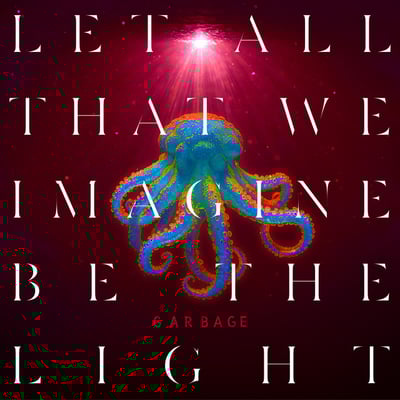
Garbage Let All That We Imagine Be The Light
Released May 30, 2025 Infectious Music
Established consensus 11 professional reviews Updated Nov 29, 2025
Broadly positive consensus
Garbage's Let All That We Imagine Be The Light lands as a weathered, defiant season in the band's catalog, where fury and tenderness collide across electro-goth textures and synthetic space-rock.
How ChoruScore worksCritics' Top Tracks
The songs critics returned to most
Chinese Fire Horse
10 critic mentions
“I’ve still got the power in my brain and my body / I’ll take no shit from you” — New Musical Express (NME)
The Day That I Met God
9 critic mentions
“Smoky synthpop tracks “Have We Met (The Void)” and confessional “The Day That I Met God” come across as starkly diaristic.” — PopMatters
Sisyphus
9 critic mentions
“the triple threat of ‘Have We Met (The Void)’, ‘Sisyphus’ and ‘Radical’, however, that ‘Let All That We Imagine…’ comes into full force” — New Musical Express (NME)
Full critic consensus
Garbage's Let All That We Imagine Be The Light lands as a weathered, defiant season in the band's catalog, where fury and tenderness collide across electro-goth textures and synthetic space-rock. Critics point to an album that often sparks—the opener “There’s No Future In Optimism” and snarling “Chinese Fire Horse” establish a politically sharp tone, while quieter moments like “The Day That I Met God” and “Sisyphus” offer fragile transcendence and emotional payoff.
The critical consensus—76.18/100 across 11 professional reviews—celebrates the record's production craft, vocal restraint and its thematic reach from suffering and healing to defiance versus hope. Reviewers consistently name “Chinese Fire Horse”, “The Day That I Met God”, “Sisyphus” and “There’s No Future In Optimism” among the best songs on the album, praising moments where Shirley Manson's bite meets layered sonics and purposeful songwriting. Several reviews highlight the band's ability to translate personal recovery and political anger into galvanising anthems and intimate hymns, positioning the strongest tracks as both rebukes and balms.
Not all critics agree uniformly: some find the record uneven, with sections that read as sketches or repeated minor-key progressions, while others celebrate its familiar blueprint stretched by surprising textures and emotional depth. Taken together, the reviews suggest that Let All That We Imagine Be The Light is a worthwhile, if occasionally uneven, statement of continued relevance for Garbage—one that rewards listeners seeking the standout tracks and the tension between darkness and hope. Scroll down for the full reviews and track-by-track impressions.
Track Ratings
How critics rated each track, relative to this album (0-100). Only tracks that made critics feel something are rated.
There's No Future In Optimism
Chinese Fire Horse
Hold
Have We Met (The Void)
Sisyphus
Radical
Love To Give
Get Out My Face AKA Bad Kitty
R U Happy Now
The Day That I Met God
Get the next albums worth your time.
Critic-backed picks in one clean digest. No clutter.
What Critics Are Saying
Deep insights from 13 critics who reviewed this album

Critic's Take
Garbage return on Let All That We Imagine Be The Light with a record that finds hope in rubble, and the best songs - notably “There’s No Future In Optimism” and the triple threat of “Have We Met (The Void)”, “Sisyphus” and “Radical” - are where the album truly ignites. Shirley Manson turns frustration into uplift on opener “There’s No Future In Optimism”, its lyrics and fusion of electronica and rock guaranteeing live radiance. The mid-album trio marries analogue synths and gut-punch guitar to make the record feel simultaneously raw, intimate and cinematic. Elsewhere, the righteous fury of “Chinese Fire Horse” and the refusal to tolerate bigotry in “Get Out My Face AKA Bad Kitty” ensure the band keep their edge while widening into a hopeful new chapter.
Key Points
-
The mid-album trio (“Have We Met (The Void)”, “Sisyphus”, “Radical”) are singled out as the album's peak for sonic ambition and emotional heft.
-
Garbage balance tenderness and fury, channeling personal and political struggles into layered, hopeful songs.
Themes

Critic's Take
Garbage sound unmistakably themselves on Let All That We Imagine Be The Light, yet tracks like “Radical” and “The Day That I Met God” show them stretching into quieter, daring territory. The review pinpoints the best tracks on the album by contrasting the moody, hypnotic sweep of “Radical” with the intimate, spacey balladry of “The Day That I Met God” to explain why they stand out. Overall the record sits between the warmly familiar Garbage blueprint and fresh, less expected textures, making these songs the best tracks on Let All That We Imagine Be The Light for listeners seeking both comfort and surprise.
Key Points
-
Radical is the best song because it is described as the sprawling centrepiece with hypnotic, emotional heft and vocal risk-taking.
-
The album's core strengths are its balance of familiar Garbage signatures and quieter, introspective experimentation led by Shirley Manson's vocal shifts.
Themes

Critic's Take
Garbage do what they do best on Let All That We Imagine Be The Light, marrying righteous fury with tenderness as on “There’s No Future in Optimism” and “Radical”. The review reads like a tribute to their unflinching resolve - blunt, direct, and persuasive about the album’s political muscle and musical hooks. Tracks such as “Get Out My Face AKA Bad Kitty” and “R U Happy Now” land as clear anti-fascist anthems, while smoky, diaristic cuts like “Have We Met (The Void)” and “The Day That I Met God” show the band’s quieter power. Overall the record is praised for moments where music and lyrics merge and soar, making the best songs stand out as both pointed and melodic.
Key Points
-
“There’s No Future in Optimism” is best for setting the album’s tone with vivid dystopian imagery and a central lyric about imagination.
-
The album’s core strengths are its fusion of pointed political messaging with strong melodies and moments where music and lyrics soar together.
Themes


Critic's Take
Garbage's Let All That We Imagine Be the Light finds its best tracks in the tension between grit and yearning, most notably “Chinese Fire Horse” and “Love To Give”. Andy Von Pip writes with blunt admiration, noting how “Chinese Fire Horse” spits venom at misogyny while “Love to Give” soars with one of Manson's most passionate vocal performances. He frames the album as weathered but unbroken, and points to “Sisyphus” and the finale “The Day That I Met God” as emotional high points that anchor the record. The review makes clear the best songs are those that fuse Garbage's classic bite with a bruised kind of optimism, answering the question of the best tracks on the album with both aggression and tenderness.
Key Points
-
The best song(s) marry Manson's raw vocal passion with lyrical defiance, especially “Love To Give”.
-
The album's core strengths are resilience, emotional depth, and blending industrial grit with sweeping melodies.
Themes

Critic's Take
There is a combustible mix of rage and tenderness on Let All That We Imagine Be The Light, with Garbage balancing fury and compassion in ways that make the best songs land hard. The album kicks off with the bruising opener “There’s No Future in Optimism” and follows with the visceral “Chinese Fire Horse”, two tracks that set the record’s electro-brutalist tone. Yet it is the surprising slide into melody on “Hold” and the sweeping drama of “Love to Give” that show why these are the best tracks on the album, offering light within the storm. Ultimately this is Garbage at once battered and unbowed, trading pure bludgeon for a broader emotional palette that makes these standout songs resonate.
Key Points
-
The best song work as an effective contrast of electro-brutal opener and visceral follow-up, making the opener stand out.
-
The album’s core strength is fusing fiery defiance with moments of genuine tenderness and melodic surprise.
Themes

Critic's Take
In his propulsive, slightly rueful voice James McNair singles out the best tracks on Let All That We Imagine Be The Light with a clear ear for contrast: “Chinese Fire Horse” is where Manson berates a moth-to-flame fool, and the record’s centrepiece, “Sisyphus”, is called "transcendent dream-pop". He praises the David Bowie -esque closer “The Day That I Met God” for delivering a blissed-out epiphany, and notes how ominous, expletive-strewn confrontation coexists with vulnerable hymns across the album. The result is a record of jagged unease and bouquets of melody, the best songs proving Garbage can still turn pain into luminous pop.
Key Points
-
Sisyphus is best because it is called "transcendent dream-pop" and exemplifies the album’s melodic lift.
-
The album’s core strength is balancing ominous, confrontational songs with vulnerable, soaring moments.
Themes
mu
Fa
Critic's Take
In Kelly Murphy's urgent, imagery-rich voice, Garbage's Let All That We Imagine Be the Light finds its brightest moments in charged anthems like “Chinese Fire Horse” and “Sisyphus”, songs that twist darkness into a stubborn, hopeful glare. Murphy writes with late-night intensity, painting the record as equal parts fury and tenderness, and she names “The Day That I Met God” as an obvious standout that grounds the album's grit. The best songs on the album feel like fist-pumping manifestos and small comforting lights - they are where Manson's retaliation and compassion collide. Read as a whole, the album thrives through its contrasts, and these top tracks prove Garbage still know how to translate rage into sustaining warmth.
Key Points
-
The best song is best because it channels societal anger into a satisfying, anarchic energy that feels both defiant and cathartic.
-
The album's core strengths are its blend of darkness and hope, Shirley Manson's defiant vocals, and punchy, fist-pumping songwriting.
Themes

Critic's Take
Garbage sound maintained in craft but not in conviction on Let All That We Imagine Be The Light. The best songs - “There’s No Future in Optimism”, “R U Happy Now”, and “The Day That I Met God” - are where Shirley Manson’s fierce presence and the band’s studio smarts collide into memorable moments. Yet much of the record feels like sketches or overtures, with middle tracks such as “Radical” and “Love To Give” sharing identical minor-key progressions and unfinished lyrics. This album will please cult loyalists seeking callbacks and production polish, even as it underwhelms on songwriting ambition.
Key Points
-
The best song is strongest where Manson’s fierce presence and the band’s production collide into memorable moments.
-
The album’s core strengths are meticulous production and nostalgic callbacks, undermined by tentative, unfinished songwriting.
Themes
Ke
Critic's Take
Garbage remain curiously vital on Let All That We Imagine Be The Light, even if this new record cannot match the scope of its predecessor. He places the emphasis on texture and currency rather than reinvention, so answers to "best songs on Let All That We Imagine Be The Light" point to those moments where atmosphere and vocal bite combine. The result is a judgment that treats these top tracks as confirmations of continued relevance, not revolution.
Key Points
-
The best song(s) are those where Shirley Manson's voice and the album's "head-opening sounds" coalesce, exemplified by tracks such as "Have We Met (The Void)".
-
The album's core strength is its maintained relevance and textural, tuneful menace that confirms Garbage's continued currency.
Themes

Critic's Take
Garbage's Let All That We Imagine Be The Light finds its best songs in the record's early and late peaks: “Chinese Fire Horse” snarls back at doubt with feral intensity, while “The Day That I Met God” closes in fragile, transcendent hush. The reviewer hears classic Garbage energy in the opening trio and names “Radical” as a standout that anchors the album's hopeful core. In this voice, the best tracks on Let All That We Imagine Be The Light are those that marry snarling melodicism with emotional depth, turning personal recovery into something defiant and luminous.
Key Points
-
The best song is powerful because it channels personal rage or fragile intimacy into definitive, emotionally charged statements.
-
The album's core strengths are emotional honesty, polished production, and a balance of snarling energy with melodic warmth.
Themes
Cl
Critic's Take
Garbage's Let All That We Imagine Be The Light finds Shirley Manson bristling and reflective, and the best songs - notably “Chinese Fire Horse” and “Sisyphus” - carry both venom and tenderness. The opener “There's No Future In Optimism” and the scabrous “R U Happy Now” sharpen the album's political edge, while quieter pieces like “Hold” and “Sisyphus” expose the wound behind the fight. Across these tracks Manson turns personal recuperation into galvanising pop, making the best tracks on Let All That We Imagine Be The Light feel like both a rebuke and a balm.
Key Points
-
The best song, “Chinese Fire Horse”, combines vitriol and bubblegum space-rock to reposition Manson as defiantly relevant.
-
The album's core strengths are its blend of personal recovery and political fury, wrapped in cinematic synth-noir production.