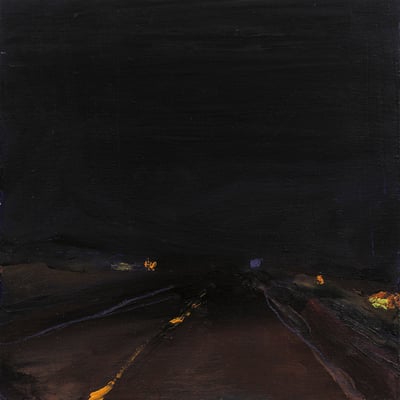
Geologist Can I Get A Pack Of Camel Lights?
Released Jan 30, 2026 Drag City
Consensus forming 4 professional reviews Updated Oct 1, 2026
Mostly positive consensus
Consensus is still forming across 4 professional reviews. Geologist's Can I Get A Pack Of Camel Lights?
How ChoruScore worksCritics' Top Tracks
The songs critics returned to most
Color in the B&W
1 critic mention
“A personal highlight is on the song ‘Color in the B&W” — Far Out Magazine
Tonic
3 critic mentions
“If you want to hear jazz , you’ve got it. If you want to hear post-punk, you’ve got it.” — Far Out Magazine
RV Envy
4 critic mentions
“There is so much variety on Can I Get a Pack of Camel Lights? that there is no doubt a song for everyone” — Far Out Magazine
Full critic consensus
Geologist's Can I Get A Pack Of Camel Lights? unfolds as a patient, often disorienting solo departure that foregrounds hurdy-gurdy revival, repetitive ritual and brave genre-hopping. Across professional reviews, critics agree the record rewards patience rather than instant hooks: its textures, sedimented layering and psychedelic electronics create moments of primordial vastness and messy brilliance that both frustrate and fascinate.
The critical consensus sits at a 69.5/100 from four professional reviews, with reviewers consistently pointing to tracks that do the heaviest work. Critics name “RV Envy”, “Sonora” and “Tonic” among the album's standout moments, while “Color in the B&W” and “Oracle Road” earn praise for minimalist fragility and cosmic unfolding. Reviewers note a recurring tension: instrumental experimentation, folktronica and post-punk distortion yield striking textures but also occasional sonic inconsistency. Several critics single out “Compact Mirror/Last Names” and “Government Job” as tracks where Weitz's ideas cohere into convincing grooves and ambient-funk stretches.
Taken together the reviews frame Can I Get A Pack Of Camel Lights? as an adventurous, sometimes polarizing statement - a record steeped in repetition, trance-like ritual and electro-acoustic fusion that rewards close listening. For those asking "is Can I Get A Pack Of Camel Lights? good" or searching for the best songs on the record, the critics' verdict is clear: its highlights are essential for fans of avant-garde folktronica, even if the album's scattershot daring means its pleasures arrive on slow burn.
Read on for individual reviews and a track-by-track breakdown of the moments critics found most compelling.
Track Ratings
How critics rated each track, relative to this album (0-100). Only tracks that made critics feel something are rated.
Oracle Road
Tonic
RV Envy
Not Trad
Color in the B&W
Compact Mirror/Last Names
Government Job
Pumpkin Festival
Shelley Duvall
Sonora
Get the next albums worth your time.
Critic-backed picks in one clean digest. No clutter.
What Critics Are Saying
Deep insights from 7 critics who reviewed this album

Critic's Take
On Geologist's Can I Get A Pack Of Camel Lights? the best tracks are those that let the hurdy gurdy breathe and surprise, above all “Pumpkin Festival” and “Sonora”. The record revels in droning, atonal peaks and reluctant melody, so when “Sonora” and the sly, drifting “Pumpkin Festival” arrive they feel like the album's clearest rewards for close-listening. Elsewhere pieces such as “RV Envy” and “Compact Mirror/Last Names” push to feverish, leftfield excess, which is thrilling in its own uncanny way. The result is a timeless, blurred wander that rewards both dissection and dissociation.
Key Points
-
Pumpkin Festival is the album's most rewarding track because it exemplifies the record's drifting, uncanny appeal and is explicitly recommended.
-
The album's core strengths are its unusual hurdy-gurdy timbres and its blurred desert atmosphere that balances atonal peaks with moments of melody.

Critic's Take
Geologist leans into texture and repetition on Can I Get A Pack Of Camel Lights?, so the record rewards patience and an ear for gradual accumulation. The review savours “RV Envy” for its abrasive thrust while noting that “Compact Mirror/Last Names” favors atmosphere over propulsion. “Pumpkin Festival” is rendered as a disconcerting, mesmerising ritual, and “Sonora” closes the album with a fiery fusion of krautrock and hurdy-gurdy that feels satisfyingly inevitable. This is an album where texture wins out over melodic payoff, making it essential listening for folktronica and experimental enthusiasts.
Key Points
-
“RV Envy” is the best track for its abrasive intensity and forward momentum.
-
The album’s strengths lie in texture, repetition, and adventurous folktronica experimentation.
Themes

Critic's Take
Geologist\'s Can I Get a Pack of Camel Lights? feels like a personal, psychedelic trip that proves the hurdy-gurdy can lead unexpected, thrilling directions. The review highlights standout tracks such as “Tonic”, “Compact Mirror/Last Names”, and “Government Job” for showing the album\'s range - from distorted, guitar-like wails to nine-minute ambient-funk stretches and warm collaborative grooves. Zach Schonfeld\'s voice is admiring and slightly bemused, pointing out that the record persuades you of the instrument\'s tonal possibilities even as its single timbre occasionally wears thin. For listeners asking "best tracks on Can I Get a Pack of Camel Lights?" the review points to those three as the most compelling examples of what the album achieves.
Key Points
-
The best song is "Compact Mirror/Last Names" for its expansive nine-minute ambient-funk exploration and notable guest bass from Avey Tare.
-
The album's core strengths are its bold hurdy-gurdy experimentation and convincingly psychedelic, medieval-meets-jazz-funk textures.
Themes
Fa
Critic's Take
As one third of Animal Collective, Geologist arrives with Can I Get A Pack Of Camel Lights?, a patchwork of styles that rewards persistence rather than instant pleasure. The reviewer delights in the album's messiness and avant-garde twists, singling out “Color in the B&W” as a personal highlight for its minimalist, passing-car fragility and free-jazz drum solo. If you are searching for the best songs on Can I Get A Pack Of Camel Lights?, the record hides them in layers, but “Color in the B&W” and the opening textures of “Oracle Road” make the clearest cases. It is confusing and brilliant in equal measure, a debut that asks listeners to dig for its pockets of music rather than hand them easy hits.
Key Points
-
The best song, “Color in the B&W”, is singled out for its minimalist textures and free-jazz drum solo, making it the record's clearest highlight.
-
The album’s core strength is its adventurous, genre-hopping experimentation that rewards patient listeners with layered musical moments.
Themes

Critic's Take
Together these tracks show how Weitz layers sound like sediment, turning small, repeated gestures into grand, elemental music that defines the best songs on Can I Get A Pack Of Camel Lights?.
Key Points
-
“Oracle Road” is the best song for opening the album with a grand, sparkling expanse and elemental energy.
-
The album's core strength is its layering and repetition, turning small, repeated gestures into vast, sediment-like musical landscapes.
Themes

Critic's Take
In his warm, detail-rich way Darryl Sterdan presents Geologist's Can I Get A Pack Of Camel Lights? as a revelatory solo statement, singling out the hurdy gurdy-led textures that make songs like “Government Job” and “Sonora” feel like the best tracks on the record. Sterdan writes with affectionate specificity about how these pieces thread impulses across space, and his catalogue of influences - from kraut to prog-jazz - explains why listeners asking "best songs on Can I Get A Pack Of Camel Lights?" will land on those hypnotic moments. The review reads like a guided tour through Weitz's psychic archive, privileging the tracks that translate ritual mood into melodic memory. Overall, Sterdan frames the album as an inspired ride that rewards repeated listening and close attention to its standout moments.
Key Points
-
The best song is highlighted for translating ritual mood into vivid, hurdy-gurdy-led melodic memory, especially "Government Job".
-
The album's core strength is its electro-acoustic tapestry that merges avant, prog-jazz, kraut and minimalist vibes into a personal sonic archive.
Themes

Critic's Take
On Can I Get A Pack Of Camel Lights? Geologist is mercurial and daring, trading Animal Collective sweetness for jagged, industrial-tinged experimentation. The review revels in standouts like “Not Trad” and “Compact Mirror/Last Names” as moments where his grand ideas cohere, while tracks such as “Pumpkin Festival” and “Government Job” supply infectious, hectic counterpoints. Ryan Dillon frames the record as an off-kilter expedition - a collection of ten songs that demand patience and reward repeated listening.
Key Points
-
The best song is the two-part centerpiece "Compact Mirror/Last Names" because it crystallizes Weitz's experimental ambitions into a mesmerizing, challenging statement.
-
The album's core strengths are bold experimentation and distinct personality, trading consistency for striking, risk-taking soundscapes.