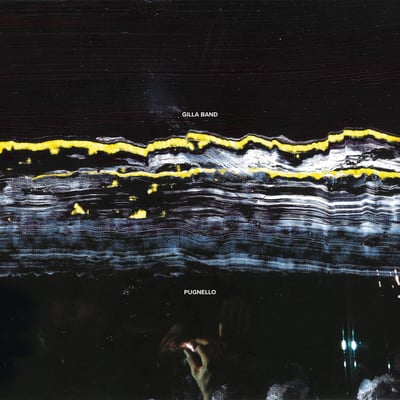
Gilla Band Pugnello
Released Sep 25, 2026 Rough Trade
Established consensus 11 professional reviews Updated Sep 30, 2026
Strong critical consensus
Gilla Band's Pugnello arrives as a spectacularly abrasive, strangely danceable statement that turns technological dread into blunt catharsis.
How ChoruScore worksCritics' Top Tracks
The songs critics returned to most
Crisp Pop
3 critic mentions
“the brittle, sharp ‘Crisp Pop’ - the music feels fundamentally diseased” — DIY Magazine
Alogia
7 critic mentions
“especially Alogia, where a particularly urgent brand of funk is overlaid with blaring klaxon-like tones.” — The Guardian
Placeholder
9 critic mentions
“Placeholder’ pairs kaiju bass with references to The Phantom Menace and Crazy Frog” — DIY Magazine
Full critic consensus
Gilla Band's Pugnello arrives as a spectacularly abrasive, strangely danceable statement that turns technological dread into blunt catharsis. Across 11 professional reviews the record earned a 90.91/100 consensus score, and critics repeatedly point to moments where industrial rhythms, textural experimentation and grim humour collide to make songs that punish and propel in equal measure.
Reviewers consistently single out “The Angelus”, “Placeholder” and “Alogia” as the album's clearest standouts, with “Crisp Pop” and “Jacobsons” also frequently praised for marrying no-wave abrasion to irresistible grooves. Critics note recurring themes of technological body horror, schizophrenia and grief folded into dance-rock fusion: percussion that feels like extra limbs, claustrophobic production that converts noise into rhythm, and lyrics that balance Irish dark wit with paternal alienation. Across these professional reviews the record's abrasive production and present-tense intensity are framed as deliberate choices that make the best tracks on Pugnello feel like visceral, club-ready confrontations.
While most critics celebrate the album's audacity and textural inventiveness, some reviews warn that the subtractionist, minimal stretches occasionally risk monotony; even so, the consensus suggests critics agree the record largely succeeds at turning ugliness into beauty. Taken together, the reviews position Pugnello as a daring, often exhilarating entry in Gilla Band's catalogue that rewards close, repeated listening and confirms the band as masters of noisy, danceable disruption.
Below, read the full set of professional reviews and track-by-track reactions that explain why these songs emerge as the best songs on Pugnello and why critics consider the collection a high-water mark for the band.
Track Ratings
How critics rated each track, relative to this album (0-100). Only tracks that made critics feel something are rated.
The Angelus
Placeholder
Alogia
Three Hands Clapping
Jacobsons
The Megazord
Computer Sadness
Giraffe
Crisp Pop
At the Gallop
Get the next albums worth your time.
Critic-backed picks in one clean digest. No clutter.
What Critics Are Saying
Deep insights from 12 critics who reviewed this album
Ho
Critic's Take
Gilla Band sound more audacious than ever on Pugnello, and the reviewer's delight lands squarely on tracks such as “Placeholder” and “Jacobsons”. He praises the claustrophobic intensity of “Placeholder”, the utterly unhinged howling on “Jacobsons”, and highlights “Alogia” for its pulse-funk groove, arguing these are the best songs on Pugnello because they show range and pure, panic-inducing brilliance. The tone is celebratory and astonished, pointing to an album that is brutal, visceral and redemptive.
Key Points
-
The best song is “Placeholder” for its claustrophobic intensity and emblematic panic-inducing brilliance.
-
The album’s core strengths are audacity, genre-stretching variety, and visceral, redemptive energy.
Themes
Ir
Critic's Take
In his bruising, gleefully vivid style Ed Power argues that Gilla Band's Pugnello rewards patience, with best songs such as “The Angelus” and “Alogia” revealing themselves as diamonds amid the racket. He writes with a relish for grotesque humour and Joycean antilogic, noting how “Placeholder” upgrades metal Armageddon into a disco bop and how “Alogia” piles guitars into a gorgeous, gravity-defying throb. The result is a punishing but haunting record where the loudest moments double as the most human ones, which answers the question of the best tracks on Pugnello by pointing to those songs that balance ugliness and beauty most memorably.
Key Points
-
Alogia is the best track for its emotional directness and the gorgeous, towering guitar work.
-
The album’s core strength is turning abrasive noise into hauntingly beautiful moments rooted in dark humour and personal grief.
Themes

Critic's Take
Gilla Band deliver an album that refuses easy comparison, and on Pugnello the best tracks - “The Angelus” and “Alogia” - show why. Petridis revels in the record's abrasive textures, noting how “The Angelus” sustains a grinding drone and how “Alogia” layers urgent funk with klaxon-like tones. He frames these songs as exemplars of the album's power: they drag listeners through sudden shifts in tone and volume and make Pugnello feel audibly out on its own. The result is a challenging but often exhilarating set of best tracks on Pugnello that reward repeated, attentive listening.
Key Points
-
The Angelus is the album's best song for embodying Pugnello’s sustained, abrasive drone and frantic rhythms.
-
Pugnello’s core strengths are its textural experimentation, abrupt tonal shifts, and confessional, confrontational vocals.
Themes

Critic's Take
Gilla Band's Pugnello is a gleefully abrasive record that makes a virtue of mayhem, and the best tracks - notably “The Angelus” and “Placeholder” - show how humour and teeth coexist here. The reviewer's voice delights in the band's ridiculousness, noting how “The Angelus” references Bananas In Pyjamas and how “Placeholder” pulls in Davina McCall and Power Rangers, which explains why these songs stand out. Production staying current is credited for keeping the album thrillingly present, so the standout tracks feel immediate and mischievously crafted. Overall, the critic frames the best songs on Pugnello as noisy, cathartic moments that also provoke laughter.
Key Points
-
The best song is best because it pairs abrasive noise with absurd, memorable references that make it both funny and potent.
-
The album's core strengths are its mix of cathartic noise, sharp humour, and up-to-date production that keeps it thrillingly present.
Themes

Critic's Take
In his urgent, essayistic voice John Wohlmacher positions Gilla Band's Pugnello as a terrifying, brilliant escalation of their work, singling out “Alogia” and “Crisp Pop” as particularly revelatory. He writes with dense historical analogy and vivid metaphor, calling “Alogia” an industrial-blues opener that channels schizophrenia into hyper-awareness, and naming “Crisp Pop” the exhilarating no wave standout that crystallises the album's Dadaist agenda. The review frames the best tracks on Pugnello as both political manifestos and visceral club horrors, convincing readers that these songs are the record's clearest statements.
Key Points
-
The best song, "Crisp Pop", is the album's exhilarating no wave standout that crystallises Gilla Band's Dadaist deconstruction.
-
Pugnello's core strengths are its visceral industrial/cyber-horror production and its brutal, honest engagement with grief and political alarm.
Themes

Critic's Take
Gilla Band's Pugnello is a merciless, inventive leap that crowns a few tracks as clear standouts. The opener “The Angelus” is one of their most blistering tracks, setting and then overturning expectations with percussion that feels like extra limbs at work. The band then slides into the unexpectedly danceable “Placeholder”, arguably the best display of Kiely 's wry lyrics and grieving humor. A middle stretch anchored by “Alogia” presses the album's emotional weight, making these three songs the best tracks on Pugnello for combining brutality, wit, and rare tenderness.
Key Points
-
The Angelus is best for its blistering, inventive percussion and immediate, thrilling impact.
-
Pugnello's strengths are its relentless intensity, inventive production, and the balance of brutal honesty with surreal humor.
Themes
mu

Critic's Take
Gilla Band's Pugnello zeroes in on trauma and machinery, with the opener “The Angelus” firing off like a machine gun battery and setting the tone. The limber menace of “Placeholder” and the warped swagger of “Alogia” are singled out as moments where the band's noise-rock meets techno aesthetics most potently. Later shifts into the grotesque techno shuffle of “Giraffe” and the brittle, sharp dance of “Crisp Pop” show how the best tracks on Pugnello make discomfort feel centrifugal to the music's propulsion. The record feels like a séance, each standout track pushing Dara Kiely's grief and memory into violent, unforgettable focus.
Key Points
-
The Angelus is best for how it immediately establishes the record's mechanical aggression and emotional stakes.
-
Pugnello's core strengths are its fusion of noise-rock and techno textures and its unflinching exploration of grief.
Themes

Critic's Take
Gilla Band sharpen their implements on Pugnello, turning discomfort into thrill and making the best tracks into full-body confrontations. The reviewer singles out “The Megazord”, “Three Hands Clapping”, and “Crisp Pop” as moments where noise, rhythm, and wit coalesce into outright bangers. Across the record, songs like “The Angelus” and “Placeholder” show the band’s precision - brutal textures framed by careful dynamics. It reads as their most methodical and charged album, one that rewards stepping closer to the speakers.
Key Points
-
“Crisp Pop” is the record’s standout, called a "certified banger" for its dizzying, hostile beat.
-
Pugnello’s core strength is turning abrasive noise into tightly controlled, danceable songs with vivid personal lyrics.
Themes
Fa
Critic's Take
Gilla Band lean into glorious tumult on Pugnello, delivering beautiful chaos that feels deliberately constructed and wildly spontaneous. The reviewer singles out “Placeholder” as the standout while pointing to the scattered lyricism of “The Angelus” and the driving bassline of “Giraffe” as key moments that reveal the record's breadth. There is praise for the album's mix of static noise, screaming lyrics and pounding basslines, and the sense that every reaction to these best tracks on Pugnello is valid. The tone remains celebratory but precise, arguing that the classic Gilla Band chaos is present and dialled up to 11, making these songs the best tracks on the album for fans of noisy, inventive rock.
Key Points
-
Pugnello's core strengths are its embrace of abstract noise, emotional intensity, and inventive, limit-pushing soundscapes.
Themes

Critic's Take
Gilla Band have distilled their sound on Pugnello, and the best songs on Pugnello - notably “Placeholder”, “Jacobsons” and “Computer Sadness” - show why. The reviewer's blunt, slightly mischievous voice praises how “Placeholder” reveals the electronics that backstop the LP, how “Jacobsons” is the apotheosis of their stripped approach, and how “Computer Sadness” finds intriguing textures around a pounding heart. The tone is admiring but wary, noting that their subtractionist method risks running out of music to make, even as these tracks make the record feel more interesting than most contemporaries.
Key Points
-
“Jacobsons” crystallizes Gilla Band’s subtractionist approach, making it the record’s high point.
-
Pugnello’s strengths are its pared-down textures, mischievous vocalism, and inventive electronics that keep it more interesting than peers.
Themes

Critic's Take
The hugely inventive Gilla Band album Pugnello finds its best songs where brutality and tenderness collide, particularly “The Angelus”, “Jacobsons” and “At the Gallop”. Peter Kimpton revels in the band's knack for turning industrial club pulses and warped electronics into emotional circuits - “The Angelus” opens with a leviathan riff that collapses into something extraordinary, while “Jacobsons” makes danceable music feel devastating. The closer “At the Gallop” converts the record's noise into a plaintive plea, tying the album's ugliness and beauty into one coherent emotional world.
Key Points
-
Jacobsons is the best song because it pairs danceable repetition with devastating, personal lyrics about a father's death.
-
Pugnello's core strength is its fusion of abrasive noise and electronic production to make grief and absurdity feel physically affecting.