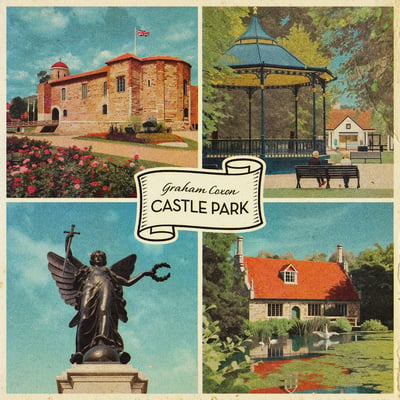
Graham Coxon Castle Park
Released Jun 19, 2026 Transgressive Records
Established consensus 7 professional reviews Updated Jul 13, 2026
Broadly positive consensus
Graham Coxon's Castle Park lands as a jubilant catalogue of melodic guitar-pop that leans into 1960s British influences while wearing its homespun edges proudly.
How ChoruScore worksCritics' Top Tracks
The songs critics returned to most
Billy Says
7 critic mentions
“Merseybeat lunchbreak gossip on the spiky Alright and Billy Says” — Mojo
Isn't It Funny
5 critic mentions
“there’s a depth of melancholy to the vibraphone haunting of Isn't It Funny” — Mojo
Alright
4 critic mentions
“cuts like the opening "Billy Says," "Alright," and "There's a Little House" are immediately catchy” — AllMusic
Full critic consensus
Graham Coxon's Castle Park lands as a jubilant catalogue of melodic guitar-pop that leans into 1960s British influences while wearing its homespun edges proudly. Critics agree the record balances nostalgia and invention, and the opener "Billy Says" emerges across reviews as the album's rallying cry, with other standout tracks like "Alright", "Isn't It Funny", and "Mélodie Pour Christine" supplying hooky choruses, cinematic touches, and surprising orchestral colors.
Across seven professional reviews Castle Park earned an 82.14/100 consensus score, and the critical consensus points to Coxon's genre versatility and songwriting craft as the record's chief assets. Reviewers consistently praise the album's melodic songwriting and mod-tinged charm: Kinks- and Merseybeat-inflected numbers sit alongside flamenco-tinged and vibraphone-haunted passages, giving the collection a textured, at times melancholic frame. Critics note the best songs feel immediate and lived-in rather than overproduced, with "Billy Says" repeatedly cited as a live-set favorite and "Isn't It Funny" and "Alright" highlighted for their emotional clarity and irresistible hooks.
While many reviews are celebratory, some voices register mild reservations about the record's scruffier moments and uneven detours, yet most critics treat experimentation and lovelorn introspection as strengths rather than distractions. Taken together, the professional reviews suggest Castle Park stands as a confident reassessment of Coxon's solo work, a record where British pop legacy, cinematic orchestration, and heartfelt melancholy cohere into memorable, often essential songs — making it well worth seeking out for fans of classic guitar-pop and melodic songwriting.
Track Ratings
How critics rated each track, relative to this album (0-100). Only tracks that made critics feel something are rated.
Billy Says
Alright
When You Find Out
Isn't It Funny
There's a Little House
Easy
Dripping Soul
Forget Today
Mélodie Pour Christine
All The Rage
Get the next albums worth your time.
Critic-backed picks in one clean digest. No clutter.
What Critics Are Saying
Deep insights from 6 critics who reviewed this album
Bu
Critic's Take
Graham Coxon's Castle Park feels like a long-awaited return to form, its best songs balancing wit and warmth with effortless craft. The opener “Billy Says” arrives as a live-set favourite, nostalgic and modish, while intimate cuts like “Easy” and folk-tinged “Isn’t It Funny” show Coxon’s range and emotional detail. The record moves between jangly duets and melodramatic instrumentals with a confidence that makes the best tracks stand out as cohesive moments rather than isolated highlights. Listening for the best tracks on Castle Park means following Coxon’s knack for characterful vocals and cinematic instrumentation, which tie the album together throughout.
Key Points
-
The best song, “Billy Says”, stands out as a nostalgic, fan-favourite opener with modish, Blur-evoking bass.
-
Castle Park’s core strength is its genre versatility and cohesive emotional throughline, from eerie folk to intimate romance.
Themes

Critic's Take
Graham Coxon leans into his guitar-pop roots on Castle Park, and the reviewer's tone feels affectionate and clear-eyed. Cuts like “Billy Says”, “Alright”, and “There’s a Little House” are singled out as immediately catchy, Kinks-ian tunes that balance hooky choruses with Coxon’s wiry guitar work. The reviewer also praises “Dripping Soul” for its flamenco-tinged rock and “Mélodie Pour Christine” for its ambitious orchestral pop touch, framing the best songs on Castle Park as both melodic and characterful. Overall the piece presents the best tracks on Castle Park as celebrations of his British pop legacy rather than radical departures.
Key Points
-
The best song is one of the catchy opening cuts, exemplified by "Billy Says" for its hooky chorus and wiry guitar.
-
The album's core strengths are melodic power-pop songwriting, concise hook-driven arrangements, and nods to '60s British mod rock.
Themes

Critic's Take
Graham Coxon’s Castle Park is a sunlit time-capsule of mod-flavoured pop that makes a persuasive case for the best tracks on Castle Park being immediate and melodic. The review revels in the sprightly opener “Billy Says” and the whistle-along charm of “Alright”, while noting the choppy garage hook of “When You Find Out” as another definite highlight. There is also praise for the cinematic sweep of “Isn’t It Funny” and the tender lullaby of “Easy” that anchors the album’s emotional core. Overall the voice here is celebratory and affectionate, arguing these songs show Coxon’s pop sensibility at its most winning.
Key Points
-
The best song, exemplified by ‘Billy Says’, encapsulates Coxon’s sprightly 60s pop revival and melodic immediacy.
-
The album’s core strengths are warm nostalgia, concise pop craftsmanship, and cinematic flourishes that link to his soundtrack work.
Themes

Critic's Take
“Mélodie Pour Christine” is enchanting and unexpected, giving the record a chamber-pop lift, while “When You Find Out” honours Coxon's taste for tight covers. For listeners searching for the best songs on Castle Park, these tracks showcase the record's charm, variety and tasteful restraint.
Key Points
-
“Billy Says” is the standout because it is a long-time live favourite finally given an official release and embodies the album's breezy power pop.
-
The album's core strengths are nostalgic, accessible power-pop songwriting and surprising stylistic variety from chamber pop to flamenco-tinged moments.

Critic's Take
Graham Coxon’s Castle Park feels like a pocket of callow romance and off-kilter invention, where the best tracks - “Alright” and “Billy Says” - flash Merseybeat lunchbreak gossip with irresistible spikiness. The review savours the Zombies-tinged intrigue of “When You Find Out” while admiring the vibraphone-haunted melancholy of “Isn't It Funny”, giving readers clear answers to queries about the best songs on Castle Park. Coxon’s willingness to stray into darker corners, especially on “Dripping Soul”, is presented as a strength rather than a detour, making these the standout tracks on the album.
Key Points
-
The best song(s) are the spiky Merseybeat pair “Alright” and “Billy Says” for their energetic charm.
-
The album’s core strengths are nostalgic pop hooks balanced with moments of melancholy and adventurous departures.
Themes

Critic's Take
Graham Coxon's Castle Park reads like a pocket of scruffy, Kinks-ish guitar pop where the best songs are the ones that wear their teenaged disgruntlement proudly. The opener “Billy Says” is a loveably scruffy, Kinksian chunk of valve-amp guitar pop, and tracks like “Alright” and “Isn't It Funny” continue that lovelorn, cute indie-pop streak, so if you search for the best songs on Castle Park start there. The nostalgic “There's a Little House” anchors the record in Colchester childhood detail, while the arresting outlier “Dripping Soul” channels Western twang and ghostly backing vocals to compelling effect. Overall the album's charms are its imperfections and olde worlde vibe, which make the best tracks feel immediate and lived-in rather than overproduced.
Key Points
-
“Billy Says” is the best song because it epitomises the record’s scruffy, Kinksian charm and lived-in production.
-
The album’s core strengths are its nostalgic themes, lovelorn teen voice and imperfect, vintage-gear warmth.