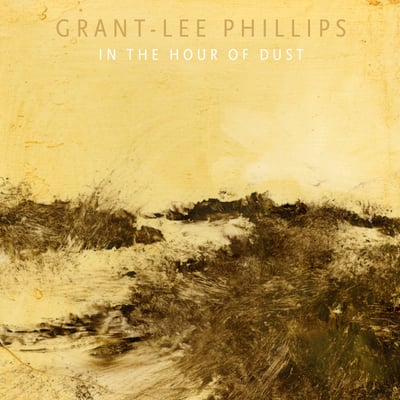
Grant-Lee Phillips In The Hour Of Dust
Released Sep 5, 2025 Yep Roc Records
Early read 2 professional reviews Updated Nov 24, 2025
Broadly positive consensus
Early read based on 2 professional reviews. Grant-Lee Phillips's In The Hour Of Dust arrives as a collection of lullabies and quiet protest, folding political reflection into dreamy Americana and nightfall imagery.
How ChoruScore worksCritics' Top Tracks
The songs critics returned to most
American Lions
1 critic mention
“You have been transported to an undreamed, almost hypnagogic place” — PopMatters
Little Men
2 critic mentions
“Nothing lesser than emancipation! Grant-Lee Phillips exclaims at the start of the chorus of "Little Men” — PopMatters
Closer Tonight
2 critic mentions
“On the album’s third track, "Closer Tonight", Phillips lets some of his anxiety leak out” — PopMatters
Full critic consensus
Grant-Lee Phillips's In The Hour Of Dust arrives as a collection of lullabies and quiet protest, folding political reflection into dreamy Americana and nightfall imagery. Critics note a prevailing tone of consolation across the record: the melodies soothe even when lyrics address unrest, and the album's 75/100 consensus score across 2 professional reviews signals a broadly favorable reception for Phillips's craft and voice.
Reviewers consistently highlight “Little Men” as a keystone - opening with an impassioned fanfare before settling into a lull - while “American Lions” earns praise for its transporting, warm outro that showcases Phillips's melodist gifts. Other frequent mentions include “Closer Tonight” and “Last Corner of the Earth”, both cited for blending intimate personal vignettes with political weight, and “Did You Make It Through the Night Okay” for its lyrical punch and dark humor. Across the two professional reviews, critics agree that lush production and slow tempos sometimes tip toward overindulgence, yet those very choices reinforce the album's nocturnal, consoling mood.
Taken together, the critical consensus positions In The Hour Of Dust as a reflective, nostalgically tinged record that balances protest and comfort. While not uniformly raucous or overtly political, the album's standout tracks and recurring themes of nostalgia, contemplation, and comfort make a persuasive case for fans of intimate, cinematic songwriting to explore what critics call the best songs on the record.
Track Ratings
How critics rated each track, relative to this album (0-100). Only tracks that made critics feel something are rated.
Little Men
Did You Make It Through the Night Okay
Closer Tonight
Bullies
Stories We Tell
She Knows Me
Someone
No Mistaking
Dark Ages
American Lions
Last Corner of the Earth
Get the next albums worth your time.
Critic-backed picks in one clean digest. No clutter.
What Critics Are Saying
Deep insights from 2 critics who reviewed this album

Critic's Take
Grant-Lee Phillips’s In The Hour Of Dust is at once cinematic and quietly political, and the best songs - notably “Little Men” and “Last Corner of the Earth” - anchor that tension. The album opens strong with “Little Men”, its driving acoustic guitar and piano setting a protesting tone while still feeling intimate. “Closer Tonight” and “Did You Make it Through the Night Okay” furnish lyrical punches and dark humor, reinforcing why listeners search for the best tracks on In The Hour Of Dust. The record closes on the hopeful “Last Corner of the Earth”, leaving the listener affirmed rather than defeated.
Key Points
-
“Last Corner of the Earth” is best because its slow build and hopeful lyric provide a satisfying, optimistic close.
-
The album’s core strengths are its cinematic arrangements and a blend of personal vignettes with pointed political commentary.
Themes

Critic's Take
Grant-Lee Phillips frames In The Hour Of Dust as an album of lullabies more than protest music, and the best songs reflect that gentling impulse - “Little Men” opens with an impassioned fanfare before calming into a lull, while “American Lions” is the showpiece that actually transports you in its warm, slow outro. The review loves Phillips’s croon and craftsmanship, calling him warm as a nightlight and praising the album’s dreamy American mythopoeia, which makes “Little Men” and “American Lions” stand out as the best tracks on In The Hour Of Dust. Even when production grows a bit too lush or tempos drag, Phillips’s melodist gifts keep songs like “Closer Tonight” and “Someone” resonant and essential for anyone seeking the best songs on this record.
Key Points
-
The best song is "American Lions" for its transporting, hypnagogic outro and status as the album's showpiece.
-
The album’s core strengths are Phillips’s warm croon, songwriting craft, and a lullaby-like, dreamy Americana atmosphere.