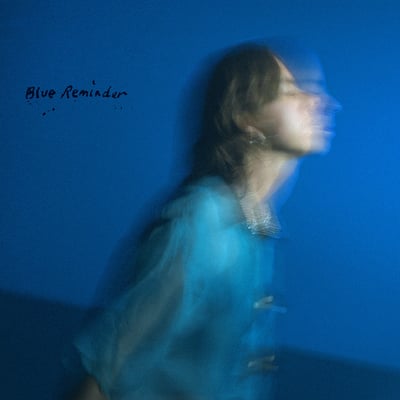
Hand Habits Blue Reminder
Released Aug 22, 2025 Fat Possum Records
Established consensus 5 professional reviews Updated Nov 25, 2025
Broadly positive consensus
Hand Habits's Blue Reminder arrives as a quietly assertive chapter in Meg Duffy's songwriting, an album where texture and confession collide to surprising effect.
How ChoruScore worksCritics' Top Tracks
The songs critics returned to most
Blue Reminder
5 critic mentions
“It builds gradually, cresting with a promise: "I feel lighter now.” — The Line of Best Fit
Dead Rat
5 critic mentions
“Dead rat in my wall is rotting / And there’s nothing I can do / I want to pick up the phone and tell you I love you.” — The Line of Best Fit
More Today
4 critic mentions
“The opener “More Today” captures the strain of holding both pain and tenderness at once” — Paste Magazine
Full critic consensus
Hand Habits's Blue Reminder arrives as a quietly assertive chapter in Meg Duffy's songwriting, an album where texture and confession collide to surprising effect. Critics agree the record earned a warm critical reception, its 80.8/100 consensus score across 5 professional reviews pointing to a collection that balances chamber-pop tenderness with occasional rock thrusts. From the opening surge of “More Today” to the pianistic bloom of “Blue Reminder” and the elegiac push of “Dead Rat”, reviewers consistently name those songs among the best on Blue Reminder.
Professional reviews emphasize the album's dualities - joy versus fear, loud and quiet, vulnerability and growing confidence - and the live-collaboration warmth that gives arrangements room to breathe. Pitchfork and PopMatters highlight “More Today” and “Bluebird of Happiness” for their propulsive riffs and guitar invention, while Under The Radar and The Line of Best Fit point to the title track and “Wheel of Change” as the record's emotional fulcrums. Paste and multiple critics also single out “Dead Rat” and “Jasmine Blossoms” for turning personal and eco-political anxieties into intimate release.
While reviewers praise meticulous production and elegant arrangements, several note small missteps amid the dozen-track set, meaning the acclaim is admiring rather than unqualified. The critical consensus suggests Blue Reminder is worth attention for those seeking finely arranged songs that articulate healing through grief, queer and trans joy, and emotional recalibration. Below, the full reviews unpack how these standout tracks and textural choices make the album a confident, quietly revelatory step in Hand Habits' evolution.
Track Ratings
How critics rated each track, relative to this album (0-100). Only tracks that made critics feel something are rated.
More Today
Wheel of Change
Nubble
Dead Rat
Jasmine Blossoms
Way It Goes
(Forgiveness)
Beauty 62
Bluebird of Happiness
Blue Reminder
Quiet Summer
Living Proof
Get the next albums worth your time.
Critic-backed picks in one clean digest. No clutter.
What Critics Are Saying
Deep insights from 6 critics who reviewed this album

Critic's Take
Hand Habits' Blue Reminder bristles with textured instrumentation and patient arrangements, and the review really singles out “More Today”, “Wheel of Change” and “Living Proof” as the album's high points. The writer's voice leans into vivid comparisons - invoking Brian Wilson, Steve Hackett and Kate Bush - to explain why “More Today” and “Wheel of Change” feel like the best tracks on Blue Reminder, balancing noise, harmonies and tenderness. Meanwhile “Living Proof” earns praise as a radio-ready, prescient closer, its glistening cadences summing up the record's strengths. The critique frames the album as gorgeously produced and expertly arranged - precisely the sort of record that suits late summer's shift into winter.
Key Points
-
“More Today” is best for its rock-heavy, Wall of Sound modernization and seductive vocal presence.
-
The album's core strengths are its textured instrumentation, careful arrangements, and a consistent focus on supporting the vocal narrative.
Themes


Critic's Take
In a voice that balances tenderness and clear-eyed observation, Hand Habits' Blue Reminder highlights its best tracks as intimate, arrangement-forward pieces - especially “Jasmine Blossoms” and “Dead Rat”. The record’s warmth comes from live recording choices and winding riffs that make songs like “Bluebird of Happiness” and “Jasmine Blossoms” linger, while Duffy’s lyrics stitch love to fear with striking plainness. The result is an album where the best songs double as moments of intermission and revelation, asking you to harmonize pain and joy rather than resolve them.
Key Points
-
“Jasmine Blossoms” is the album’s standout for its lingering melodies and Mitchell-like scope filtered through jazz and funk elements.
-
The album’s core strength is its live, collaborative warmth and arrangements that stitch joy and fear together.
Themes

Critic's Take
Hand Habits's Blue Reminder finds its best songs in the tension between yearning and relief, with “Wheel of Change” and the title track “Blue Reminder” standing out for their emotional clarity. Matt Young writes with a steady, evaluative intimacy - he presents “Wheel of Change” as craving the present while fearing loss, and treats the title track as the album's confessional heart. The reviewer's voice privileges detail and metaphor, pointing to “Dead Rat” and “Jasmine Blossoms” as songs that turn small horrors and eco-anxieties into necessary solace. Overall, the critic frames the best tracks as those that balance propulsive indie-rock textures with unguarded honesty, the songs that make the album feel like a quiet rebellion and a summit reached.
Key Points
-
The title track is best because it is the album's confessional emotional core, building to an unguarded promise.
-
The album's core strengths are emotional honesty and a balance of propulsive indie-rock textures with vulnerable songwriting.
Themes

Critic's Take
Hand Habits’s Blue Reminder finds Meg Duffy moving from quiet introspection to bracing assurance, and the best songs on Blue Reminder - notably “More Today” and “Bluebird of Happiness” - show that shift most clearly. Lorusso’s prose foregrounds Duffy’s acrobatic guitar and newly commanding voice, arguing that “More Today” acts like a starting gun for the record while “Bluebird of Happiness” combines propulsive beats with playful riffs. The review treats these tracks as exemplars of the album’s core strengths: emotional depth married to adventurous arrangements. The tone remains admiring but precise, steering recommendations toward those standout moments when Duffy’s voice and band cohere.
Key Points
-
“More Today” is best because it launches the album’s newfound confidence and showcases Duffy’s commanding voice.
-
The album’s core strengths are Duffy’s acrobatic guitar playing, emotional depth, and adventurous arrangements reflecting collaboration.
Themes

Critic's Take
In a quietly persuasive register Mark Moody hears Hand Habits' Blue Reminder as an album where the best songs - notably “Living Proof” and the title track “Blue Reminder” - finally pry open the record's warm center. Moody praises the piano-powered title track and the closing “Living Proof” for vocal bloom and emotional payoff, while also flagging standouts like “Nubble” and the folk-tinged “Dead Rat” for their textural and lyrical clarity. The review situates the album between chamber-pop tenderness and occasional rock forward thrusts, explaining why listeners searching for the best songs on Blue Reminder will gravitate to these moments. The voice remains admiring but precise, noting only small missteps such as “Jasmine Blossoms” amid an otherwise strong dozen-track set.
Key Points
-
“Living Proof” is the best song for its vocal bloom and elegant closing statement.
-
The album’s core strengths are intimate songwriting, piano-led arrangements, and a balance of chamber-pop tenderness with occasional rock textures.