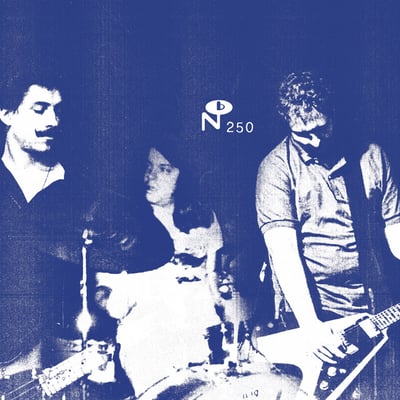
Hüsker Dü 1985: The Miracle Year
Released Nov 7, 2025 Numero Group
Established consensus 6 professional reviews Updated Mar 23, 2026
Broadly positive consensus
Hüsker Dü's 1985: The Miracle Year arrives as a restorative portrait of a band mid-metamorphosis, and across professional reviews the record earns clear praise for making that moment audible.
How ChoruScore worksCritics' Top Tracks
The songs critics returned to most
New Day Rising
6 critic mentions
“check out “If I Told You,” “Powerline” and especially New Day Rising” — Dusted Magazine
Celebrated Summer
1 critic mention
“led by the galvanizing Celebrated Summer and Chartered Trips” — Record Collector
Flip Your Wig
3 critic mentions
“There they added even more melody and hooks to their approach with the result being a brilliant pop record with a serrated edge” — AllMusic
Full critic consensus
Hüsker Dü's 1985: The Miracle Year arrives as a restorative portrait of a band mid-metamorphosis, and across professional reviews the record earns clear praise for making that moment audible. Critics point to the restored First Avenue and other live sets as revelationary, with songs like “New Day Rising”, “Flip Your Wig”, “Celebrated Summer” and “Chartered Trips” repeatedly singled out as standout tracks that reveal previously muffled details in guitar, drums and harmony.
The critical consensus, reflected in an 83/100 score across 6 professional reviews, emphasizes archival restoration and songwriting maturation. Reviewers consistently note how live intensity and improved fidelity reshape familiar tunes: “New Day Rising” and “Flip Your Wig” emerge as core documents of the trio's ferocity meeting melody, while “Makes No Sense At All” and “If I Told You” showcase the balance of popcraft and noise. Several critics praise the set's ability to recast darker numbers such as “Diane” and “Pink Turns to Blue” with more emotional clarity, arguing that the box set traces Hüsker Dü's transition from hardcore toward more melodic, psych-tinged punk.
While reviewers celebrate the live power and sonic clarity on offer, they frame the package primarily as historical reclamation rather than a conventional studio triumph. Taken together, the professional reviews present 1985: The Miracle Year as an essential archival release for those curious about the band's evolution and the best songs on the set, and as a persuasive reminder of Hüsker Dü's influence on alternative rock.
Below, detailed reviews unpack the performances, restoration choices and standout tracks that make this collection significant in the band's catalogue.
Track Ratings
How critics rated each track, relative to this album (0-100). Only tracks that made critics feel something are rated.
New Day Rising
It’s Not Funny Anymore
Everything Falls Apart
The Girl Who Lives On Heaven Hill
I Apologize
If I Told You
Folklore
Every Everything
Makes No Sense At All
Terms Of Psychic Warfare
Powerline
Books About UFOs
Broken Home, Broken Heart
Diane
Hate Paper Doll
Green Eyes
Divide And Conquer
Pink Turns To Blue
Eight Miles High
Out On A Limb
Helter Skelter
Ticket To Ride
Love Is All Around
Don't Want To Know If You're Lonely
I Don't Know For Sure
Hardly Getting Over It
Sorry Somehow
Eiffel Tower High
What's Going On
Private Plane
Celebrated Summer
All Work And No Play
Keep Hanging On
Find Me
Flexible Flyer
Sunshine Superman
In A Free Land
Somewhere
Flip Your Wig
Never Talking To You Again
Chartered Trips
The Wit And The Wisdom
Misty Modern Days
Get the next albums worth your time.
Critic-backed picks in one clean digest. No clutter.
What Critics Are Saying
Deep insights from 6 critics who reviewed this album

Critic's Take
Hüsker Dü’s 1985: The Miracle Year is presented as a vital artefact, capturing a band vaulting from hardcore into melodic ambition. The reviewer fixates on live versions of “Ticket To Ride” and “Hardly Getting Over It” as proof of the band’s growth, praising their ferocity and newfound emotional clarity. Written in an admiring, reportage tone, the piece stresses how these performances make the best tracks on 1985: The Miracle Year feel revelatory rather than archival. It reads like a history lesson with adrenaline, arguing that the best songs here both catalogue and propel Hüsker Dü’s influence.
Key Points
-
The live reading of “Ticket To Ride” is the set’s standout, encapsulating Hüsker Dü’s ferocious yet faithful reinterpretation.
-
The album’s core strengths are its raw live power and clear evidence of the band’s melodic evolution away from hardcore.
Themes

Critic's Take
In this keen-eyed appraisal, Hüsker Dü's 1985: The Miracle Year is presented as a corrective that finally lets the band's live power breathe, with the reviewer repeatedly returning to the incendiary rush of “Flip Your Wig” and the carpet-bombing opening of “New Day Rising”. The voice is admiring and precise, noting how the box set restores the trio's ferocity and clarifies songwriting that studio tin can production obscured. The piece balances historical context and vivid description to explain why those live renditions stand out as the set's core attractions.
Key Points
-
The best song is “Flip Your Wig” because the review calls it an on-the-ground dispatch and emblem of the band's moment.
Themes

Critic's Take
Hüsker Dü's 1985: The Miracle Year reads like a course correction in sound and craft, with best tracks such as “New Day Rising” and “Makes No Sense At All” standing out for their newly revealed layers and punch. The reviewer zeroes in on the restored First Avenue set as the heart of the release, noting how “New Day Rising” lets Bob Mould's guitar become a wall of sound while Grant Hart's drums land with precise vigor. Likewise, “Makes No Sense At All” benefits from a punchier low end that lets Norton outline the chord movement and Mould hold sustained distortion. The net effect is that these songs — and others like “Green Eyes” and “Pink Turns to Blue” — emerge as the best tracks on 1985: The Miracle Year because the improved fidelity reframes their songwriting and interplay.
Key Points
-
Improved fidelity and restored live set make “New Day Rising” the clearest standout due to layered guitars and precise drumming.
-
The album's core strengths are clearer arrangements, tightened interplay, and a reframing of Hüsker Dü as craftsmen, not just volume-driven players.
Themes
Re
Critic's Take
Hüsker Dü's 1985: The Miracle Year reads like proof of a band in furious, gilded transition - the box set foregrounds the best songs as thrilling live documents, notably “Celebrated Summer” and “Chartered Trips”. The reviewer's relish for the band's move from howling hardcore to poppier punk is plain, from a "scorching" “Diane” to the ramshackle roar of “The Girl Who Lives On Heaven Hill”. If you search for the best tracks on 1985: The Miracle Year, the galvanizing live takes of “Celebrated Summer” and “Chartered Trips” are presented as standouts, while staples like “Makes No Sense At All” and “I Apologize” show the band's sharp pop instincts. The package's archival grit - cassette-like and glorious - makes these particular performances the best songs to seek out here.
Key Points
-
The best song performances are the galvanizing live takes of "Celebrated Summer", which capture the band's live might.
-
The album's core strengths are its documentation of the band's transition from ferocious hardcore to hooky punk and its authentic, archival live energy.
Themes

Critic's Take
Hüsker Dü sounded incandescent in 1985, and 1985: The Miracle Year captures that breathless, paint-peeling live electricity. Tim Sendra writes with affectionate authority, praising how songs like “New Day Rising” and “Flip Your Wig” pushed hardcore into melody and hooks while still sounding dangerously loud. The collection reads as a document of a band at the peak of its powers, recorded and restored well enough that the fury and compassion cut through. For anybody asking about the best songs on 1985: The Miracle Year, the reviewer points to those centerpieces as proof that Hüsker Dü could be both serrated and popwise, thrilling in every charge across the stage.
Key Points
-
The best song is best because it exemplifies the band pushing hardcore into melodic, hook-filled territory while retaining intensity.
-
The album’s core strength is capturing Hüsker Dü’s live, furious energy and the restored tapes present that power clearly.
Themes

Critic's Take
This reviewist hears the flame of 1985 in 1985: The Miracle Year, and it’s the live renditions that prove the point - punchy, urgent performances like “New Day Rising”, “If I Told You” and “Makes No Sense at All” stand out. The record captures Hüsker Dü at a peak of combustion, the atmospherics of the stage lending grit to melody and chaos in equal measure. Darker numbers such as “Diane” and “Pink Turns to Blue” hit with greater charge live, and the Beatles-heavy stretch toward the end feels both delirious and revealing of the band’s trajectory. Read together, the best tracks on 1985: The Miracle Year show a band straddling hardcore ferocity and hard psych, and that is precisely why these songs remain the set’s highlights.
Key Points
-
The best song is best because the live atmospherics make its melody and chaotic guitar sizzle, notably on "New Day Rising".
-
The album’s core strengths are live intensity, the mix of incisive melody with feedback, and a bridge between hardcore and hard psych.