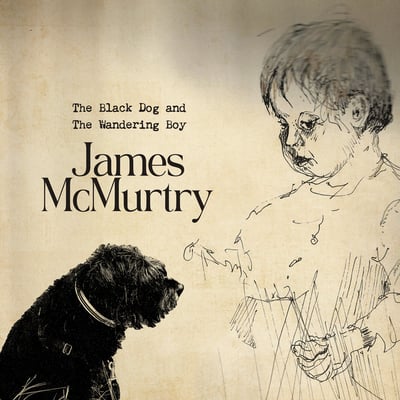
James McMurtry The Black Dog And The Wandering Boy
Released Jun 20, 2025 New West Records, LLC
Established consensus 7 professional reviews Updated Nov 28, 2025
Strong critical consensus
James McMurtry's The Black Dog And The Wandering Boy arrives as a late-career cri de coeur that pairs razor-sharp storytelling with a gritty Americana pulse, and critics largely agree it succeeds.
How ChoruScore worksCritics' Top Tracks
The songs critics returned to most
The Black Dog and the Wandering Boy
7 critic mentions
“The title track owes to his stepmother, Faye, who relayed to McMurtry that his dad’s favorite dementia-induced hallucinations involved the black dog and the wandering boy.” — Glide Magazine
Laredo (Small Dark Something)
6 critic mentions
“Opening track Laredo (Small dark Something), written by fellow Texan Jon Dee Graham is described as "…an opioid blues and testimony from a part-time junkie losing a weekend to dope.” — At The Barrier
Sons of the Second Sons
6 critic mentions
“Sons of the second sons, products of genocide. Polishing up our guns, living in double-wides,” — At The Barrier
Full critic consensus
James McMurtry's The Black Dog And The Wandering Boy arrives as a late-career cri de coeur that pairs razor-sharp storytelling with a gritty Americana pulse, and critics largely agree it succeeds. Across seven professional reviews the record earned an 85/100 consensus score, with reviewers repeatedly citing the muscular opener “Laredo (Small Dark Something)”, the title-track “The Black Dog and the Wandering Boy” and narratives like “Sons of the Second Sons” and “South Texas Lawman” as the album's most indelible moments. Those best tracks surface again and again in assessments of McMurtry's command of character sketching, political critique and weary, sometimes mordant humour.
Track Ratings
How critics rated each track, relative to this album (0-100). Only tracks that made critics feel something are rated.
Laredo (Small Dark Something)
South Texas Lawman
The Color of Night
Pinocchio in Vegas
Annie
The Black Dog and the Wandering Boy
Back to Coeur d’Alene
Sons of the Second Sons
Sailing Away
Broken Freedom Song
Get the next albums worth your time.
Critic-backed picks in one clean digest. No clutter.
What Critics Are Saying
Deep insights from 7 critics who reviewed this album

Critic's Take
James McMurtry opens The Black Dog and the Wandering Boy with a killer cover of “Laredo (Small Dark Something)” and never lets the urgency drop. He deploys dry, lethal humor and quotidian eloquence across songs like “Sons of the Second Sons” and the title track to examine father-son ties and American memory with a thunderous groove. The record mixes dark detail and mundane fact so the best songs - notably “Sons of the Second Sons” and “Laredo (Small Dark Something)” - feel both personal and broadly political. Horowitz-style observation and measured praise sit side by side, making clear why listeners asking "best tracks on The Black Dog and the Wandering Boy" will keep returning to these cuts.
Key Points
-
The best song is "Sons of the Second Sons" for its quotidian eloquence and powerful closing lines.
-
The album's core strengths are sharp wit, topical storytelling, and a blend of dark detail with mundane fact.
Themes

Critic's Take
James McMurtry returns with The Black Dog and the Wandering Boy, a record where the best tracks - notably “Laredo (Small Dark Something)” and “Sailing Away” - show his gift for vivid storytelling and scorching guitar. Hynes writes with an appreciative, conversational tone, noting how the opener reads like classic McMurtry and how “Sailing Away” stands out as a band-centered highlight. The title track and songs like “South Texas Lawman” and “Annie” underline his knack for non-preachy political rants and bittersweet portraits of aging. Overall the reviewer frames these songs as the strongest evidence that McMurtry remains a singular, underrated songwriter and performer.
Key Points
-
The best song is the opener because its roaring, convincing voice and classic McMurtry imagery make it feel like his own composition.
-
The album’s strengths are vivid storytelling, clear political commentary, and strong band playing that foreground McMurtry’s underrated guitar and vocals.
Themes

Critic's Take
James McMurtry returns with The Black Dog And The Wandering Boy, a lean, unvarnished set where the best songs - notably “South Texas Lawman” and “Sons of the Second Sons” - cut deep into loss, ageing and political unease. Barlass writes in a plain, admiring register, celebrating gritty arrangements and frank storytelling while highlighting the album title track as anthemic and bluesy. The review praises the opener “Laredo (Small Dark Something)” as a sizzling, gritty rocker that sets the tone, and singles out “Broken Freedom Song” as a fitting, blistering closer. Overall the critic frames the record as Americana without sweeteners, an honest collection where character-driven narratives and sparse instrumentation make the best tracks stand out.
Key Points
-
The best song is "South Texas Lawman" because its resigned vocal and vivid character detail make it an early highlight.
-
The album’s core strengths are unflinching storytelling, gritty Americana instrumentation, and topical, character-driven lyrics.
Themes
Sp
Critic's Take
James McMurtry keeps sharpening his observational songwriting on The Black Dog and the Wandering Boy, and the best tracks cohere around moral portraiture and social critique. The title track, “The Black Dog and the Wandering Boy”, turns a personal family hallucination into taut guitar-driven storytelling, while “Sons of the Second Sons” is a slow-burning standout that skewers authoritarianism and historical racism. “South Texas Lawman” offers McMurtry’s usual sympathy for flawed characters, and “Annie” smolders with a grudging political rebuke. This is protest music from the salt of the earth, songs that feel more urgent than his recent work.
Key Points
-
The title track’s personal origin and taut guitar work make it the album’s emotional centerpiece.
-
McMurtry’s strengths are moral portraiture, political critique, and compassionate portrayals of flawed characters.
Themes

Critic's Take
In his clear-eyed, narrative-driven manner Martin Gray finds the best songs on The Black Dog And The Wandering Boy to be searingly human - notably the title track “The Black Dog and the Wandering Boy” and the closer “Broken Freedom Song” which act as the emotional anchors. Gray praises the muscular opener “Laredo (Small Dark Something)” and highlights more immediate refrains in “Back to Coeur d’Alene” and “Sailing Away” as among the album's most addictive moments. The review reads like a defence of craft over gimmickry, insisting these best tracks prove McMurtry's enduring knack for distilled vignettes and impeccable arrangements. This is a consistently strong record that lodges itself in the subconscious long after play, making the case decisively for these songs as the best tracks on the album.
Key Points
-
The title track is best for its personal emotional core tied to McMurtry’s father’s hallucinations and powerful delivery.
-
The album’s core strengths are narrative songwriting, impeccable arrangements, and a balance of political bite with human storytelling.
Themes
Am
Critic's Take
James McMurtry sounds at once wearier and sharper on The Black Dog and the Wandering Boy, and the best songs - notably “South Texas Lawman” and the title track “The Black Dog and the Wandering Boy” - crystallize that late-career clarity. Pelavin’s prose hangs on McMurtry’s plainspoken images and aching details, praising how “South Texas Lawman” growls about getting old and how the title track conjures dementia and loss. He also highlights quieter triumphs like “Annie” and “Back to Coeur d’Alene” for vocal warmth and a haunting working-musician chorus. The review reads like an endorsement: this is McMurtry at the peak of his powers, songs that linger and sting in equal measure.
Key Points
-
The best song is "South Texas Lawman" for its raw, central meditation on aging and McMurtry’s visceral delivery.
-
The album’s core strengths are plainspoken storytelling, intimate production, and thematic focus on aging, memory, and the American working life.
Themes

Critic's Take
James McMurtry sees memory and small-town ruin etched across The Black Dog And The Wandering Boy, and the best tracks on The Black Dog And The Wandering Boy—notably “Laredo (Small Dark Something)” and “Broken Freedom Song”—carry that rough-hewn gravity with economy and wit. Sterdan’s prose praises the record as a set of story-songs and character sketches that are funny and sad in the same breath, making “Laredo (Small Dark Something)” a standout opioid blues and “Broken Freedom Song” a fitting, elegiac closer. The result reads like a late-career artist scavenging his past and reclaiming voice, songs that sound spontaneous and alive rather than merely well-crafted. Overall, the album rewards listeners seeking vivid narratives and plainspoken musicality.
Key Points
-
The best song, “Laredo (Small Dark Something)”, is best for its raw opioid-blues testimony and emotional immediacy.
-
The album’s core strengths are its richly drawn character sketches, spare Americana instrumentation, and a spontaneous, lived-in sound.