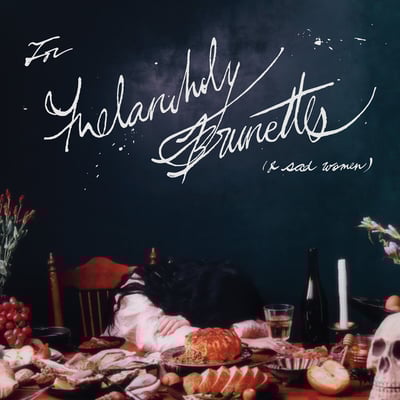
Japanese Breakfast For Melancholy Brunettes (& sad women)
Released Mar 21, 2025 Dead Oceans
Established consensus 15 professional reviews Updated Dec 10, 2025
Broadly positive consensus
Japanese Breakfast's For Melancholy Brunettes (& sad women) unfolds as a theatrical, intimacy-first record that trades Jubilee-era sparkle for chambered melancholy and literary weight.
How ChoruScore worksCritics' Top Tracks
The songs critics returned to most
Orlando in Love
14 critic mentions
“This is especially evident on the subsequent “Orlando in Love,” which stands as one of Zauner’s finest musical offerings to date.” — Under The Radar
Honey Water
11 critic mentions
“creating a fuzzy wash of electric whirrs that epitomise the wife’s distaste in her husband” — DIY Magazine
Here is Someone
10 critic mentions
“The moodily baroque lilt of “Here Is Someone” opens the album on a dreamily dour note” — Under The Radar
Full critic consensus
Japanese Breakfast's For Melancholy Brunettes (& sad women) unfolds as a theatrical, intimacy-first record that trades Jubilee-era sparkle for chambered melancholy and literary weight. Across professional reviews, critics point to a steady emotional core—songs that probe love, memory and moral complication—rather than immediate pop hits, and the consensus suggests the collection both rewards patient listening and confirms Michelle Zauner's maturation as a songwriter.
Critics consistently praise tracks such as “Orlando in Love”, “Here Is Someone” and “Honey Water” as the album's clearest rewards. Reviewers across 15 professional reviews note the album's reliance on strings and piano, mythological and Romantic references, and folk-storytelling textures: PopMatters and Beats Per Minute applaud Zauner's restrained orchestration and crystalline vocals, Pitchfork and Rolling Stone single out the propulsive menace of “Mega Circuit” and the hook-driven “Picture Window”, while Paste, NME and The Line of Best Fit celebrate the baroque, cinematic arrangements that make the best songs on For Melancholy Brunettes (& sad women) feel like vivid character studies. The record has earned an 82.33/100 consensus score across 15 reviews, reflecting a broadly positive critical reception tempered by occasional notes that some tracks linger in elegiac tempos.
While many critics call the album one of Zauner's most assured, some voices temper that praise by arguing the mood sometimes blunts lyrical bite or radio reach. Taken together, the critical consensus frames For Melancholy Brunettes (& sad women) as a confident, atmospheric work whose standout songs - notably “Orlando in Love”, “Here Is Someone” and “Honey Water” - answer the question of the best songs on the record and confirm that, for those seeking melancholic grandeur and intimate storytelling, the album is well worth the close listen.
Track Ratings
How critics rated each track, relative to this album (0-100). Only tracks that made critics feel something are rated.
Here is Someone
Orlando in Love
Honey Water
Mega Circuit
Little Girl
Leda
Picture Window
Men in Bars
Winter in LA
Magic Mountain
Get the next albums worth your time.
Critic-backed picks in one clean digest. No clutter.
What Critics Are Saying
Deep insights from 18 critics who reviewed this album

Critic's Take
Japanese Breakfast's For Melancholy Brunettes (& sad women) finds its best tracks in intimate, story-driven vignettes - the opening “Here Is Someone” and lead single “Orlando in Love” stand out for their warm dawn-like hope and magical, string-laden fairytale. “Honey Water” is equally crucial, a fuzzed, piano-scoured portrait of infidelity that tightens the record's emotional grip. Elsewhere, “Picture Window” and “Men In Bars” provide notable contrasts - the former with country momentum, the latter a raw duet - making the best songs on For Melancholy Brunettes (& sad women) a blend of melancholy and mellow optimism.
Key Points
-
The best song moments marry literary storytelling and warm instrumentation, especially “Orlando in Love” and “Here Is Someone”.
-
The album’s core strengths are its mournful literary themes, intimate vocals, and a balance of melancholy with occasional optimism.
Themes

Critic's Take
Japanese Breakfast's For Melancholy Brunettes (& sad women) reads like a renaissance canvas, and the best songs - especially “Here Is Someone” and “Orlando in Love” - feel like the centrepieces, drenched in strings and mythic storytelling. Cordelia Lam's prose luxuriates in the album's baroque detail, praising “Here Is Someone” for its gamelan and sarod and admiring “Orlando in Love” as a lovestruck, ballroom-paced ode. The record's pleasures come from that delicious tension of opulence and morbidity, where tracks such as “Mega Circuit” and “Leda” sharpen the album's darker edges while maintaining a luminous touch. Overall the review frames these songs as the standout moments that best answer the question of the best tracks on For Melancholy Brunettes (& sad women).
Key Points
-
The best song is 'Here Is Someone' for its lush strings and exotic instrumentation that set the album's baroque tone.
-
The album's core strengths are its classical-art imagery and the tension between opulence and morbidity, delivered through detailed storytelling and rich arrangements.
Themes


Critic's Take
Japanese Breakfast's For Melancholy Brunettes (& sad women) is a nocturnal, literary plunge where the best tracks - “Orlando in Love”, “Leda”, and the closer “Magic Mountain” - crystallize Zauner's mournful invention. The tone is admiring and slightly awed, framing these songs as character studies that prove Zauner's talent for inhabiting damaged, poetic heads.
Key Points
-
The best song is the closer “Magic Mountain” because it distills the album's literary influences into a haunting, simple, and emotionally weighty finale.
Themes

Critic's Take
Japanese Breakfast's For Melancholy Brunettes (& sad women) feels like an immersive, rococo chamber-piece rather than a string of radio hits, and the review makes clear the best tracks are the ones that build that world: opener “Here Is Someone” and the lead single “Orlando in Love”. Clare Martin lingers on Zauner's lyricism and atmosphere, praising the simple, heart-wrenching line in “Here Is Someone” and the seaside soar of “Orlando in Love”, while noting the hypnotic menace of “Honey Water” as another standout. The review frames these songs as central to why listeners will search for the best tracks on For Melancholy Brunettes - they reward immersion more than streaming singles, offering layered symbolism and emotional payoff.
Key Points
-
The best song, "Here Is Someone," is the album's emotional overture, combining lush strings with one of Zauner's best lyrics to set the record's theme.
-
The album's core strengths are its immersive, literary world-building, rococo orchestration, and self-referential songwriting that rewards full listens rather than chasing singles.
Themes
mu

Critic's Take
Japanese Breakfast’s For Melancholy Brunettes (& Sad Women) finds its strongest moments in songs that balance intimate acoustic frames with expansive production, namely “Little Girl” and “Honey Water”. The reviewer praises “Little Girl” for its spacious melody and Zauner’s airy vocals settling atop interlocking guitars, and calls “Honey Water” mammoth with its pounding drums and wall of guitars. Tracks like “Leda” and “Winter in LA” further deepen the record’s reach, marrying Romantic imagery and Wall of Sound luxuriance to make clear why listeners ask about the best songs on For Melancholy Brunettes (& Sad Women).
Key Points
-
“Little Girl” is best for its immediate, spacious melody and Zauner’s perfectly settled vocals.
-
The album’s core strengths are warm production, acoustic intimacy, and framing melancholy as transformative.
Themes

Critic's Take
Japanese Breakfast's For Melancholy Brunettes (& sad women) is reliably steeped in melancholy, and the best songs - notably “Here is Someone” and “Leda” - showcase Zauner's quiet, crystalline vocal power and intimate arrangements. The record often favors restraint over splashy hooks, so when tracks like “Honey Water” or “Mega Circuit” kick up the volume they feel especially vivid. This is an album of small, exacting details and revelations, and those seeking the best tracks on For Melancholy Brunettes (& sad women) will find them in the songs where Zauner's voice and arrangements bloom together. Ultimately, the collection reads like one of her strongest, a finely hewn set that rewards surrendering to its softer charms.
Key Points
-
“Here is Someone” is the best for its intoxicating arrangement and standout lyric that crystallizes the album’s mood.
-
The album’s core strength is intimate, enveloping production and Zauner’s crystalline voice pairing melancholy with small revelatory moments.
Themes


Critic's Take
In a measured, knowing voice Sam Walker-Smart argues that Japanese Breakfast's For Melancholy Brunettes (& sad women) rewards patient listening, with the dreamy “Orlando In Love” and the country-tinged duet “Little Girl” standing out as the record's best songs. The reviewer frames these best tracks as proof Zauner has taken her foot off the accelerator and leaned into atmosphere over instant hooks, praising the swooning chorus of “Picture Window” as an indie highlight. The narrative is that this is Michelle Zauner's most mature offering, built for train-window reflection rather than radio domination.
Key Points
-
The best song is memorable for its atmosphere and production, with “Picture Window” singled out for energy and a swooning chorus.
-
The album's core strengths are mature, textured songwriting and atmosphere that reward repeated, reflective listens.
Themes

Critic's Take
Japanese Breakfast's For Melancholy Brunettes (& sad women) feels like an evolution rather than a collection of moods, and the best tracks - “Orlando in Love” and “Mega Circuit” - show why. Brenna Ehrlich writes in a generous, slightly conversational critical voice that highlights Zauner's knack for marrying crystalline lyrics with lush melodies, and “Orlando in Love” is singled out as a Greek-legend of a track with silky strings. The review leans into the album's storytelling - from the ominous country tinge of “Mega Circuit” to the delicate, death-hummed “Leda” - to explain why these songs stand out as the best tracks on the record.
Key Points
-
“Orlando in Love” is best for its mythic storytelling, silky strings, and playful percussion that anchor the record.
Themes

Critic's Take
Japanese Breakfast's For Melancholy Brunettes (& sad women) finds its strongest moments in the bookending pair “Here Is Someone” and “Magic Mountain”, which together act as the band's modern ARS Poetica. The reviewer's voice leans toward measured admiration - admiring Zauner's evocative lyricism and literary reach while noting the music sometimes softens the album's bite. Tracks like “Orlando in Love” and “Honey Water” are singled out for liminal endings that simulate dread, but songs such as “Leda” and “Magic Mountain” reveal how weighty themes can outpace the arrangements. Overall, the best songs on For Melancholy Brunettes (& sad women) are those that balance Zauner's complex words with a musical bite, with “Here Is Someone” and “Magic Mountain” rising to the top as the album's defining statements.
Key Points
-
The best song is the bookending pair, led by “Here Is Someone”, because they act as the album's ARS Poetica and crystallize its thematic purpose.
Themes

Critic's Take
In her familiar, intimate register Zoë White finds Japanese Breakfast trading Jubilee’s glitter for a softer, murkier glow on For Melancholy Brunettes (& sad women). The review singles out “Orlando in Love” as a panoramic, painterly lead single and praises “Picture Window” and “Magic Mountain” for their brighter, busier energy and cinematic close respectively. White’s voice is descriptive and measured, noting how Zauner’s vocals ebb and swell while strings sketch mountain ranges, making these the best tracks on For Melancholy Brunettes (& sad women) for listeners seeking lush, cinematic pop. The narrative stresses mood and texture over outright triumph, situating these songs as exemplars of the album’s melancholic splendour.
Key Points
-
The best song, "Orlando in Love", stands out for its panoramic, painterly composition and Zauner’s ebbing, swelling vocals.
-
The album’s core strengths are its cinematic soundscapes, lush strings and textured moods that favor melancholy and subtlety over exuberance.
Themes

Critic's Take
Michelle Zauner, on Japanese Breakfast's For Melancholy Brunettes (& sad women), luxuriates in costume-like sadness and turns fame and longing into theatrical, intimate vignettes. The review spotlights “Picture Window” as the scene-stealer, its double-edged hook and exposed vocal moments making it one of the best songs on For Melancholy Brunettes. Propulsive cuts like “Mega Circuit” and “Honey Water” are singled out as standout tracks for their grunge-y menace and cathartic psychedelic rage, respectively. The quieter pieces — “Little Girl” and “Men in Bars” — are praised for their plaintive, pleasant drift, rounding out why these are the best songs and best tracks on the album.
Key Points
-
“Picture Window” is the best song because it combines an extravagant melancholy hook with exposed, intimate vocals.
-
The album’s core strengths are theatrical melancholy, mythic imagery, and moments of propulsive, cathartic rock that puncture its quieter ballads.
Themes

Critic's Take
In his measured voice Patrick Gill argues that Japanese Breakfast's For Melancholy Brunettes (& sad women) privileges hush and reflection over spectacle, and he points to “Orlando in Love” and “Honey Water” as the record's clearest rewards. Gill writes with a fondly critical eye, noting that the brief, serene “Orlando in Love” showcases sublime vocals while the buoyant “Honey Water” could have been the emotional center. He praises the restrained orchestration and European Romantic references even as he acknowledges that tracks like “Leda” and “Magic Mountain” drag at a sullen pace. The result is an album that will please listeners who seek solace and nuance, even if it forgoes the crossover moments that made Jubilee so big.
Key Points
-
“Orlando in Love” is the best song because its brief, hushed arrangement and sublime vocals crystallize the album’s restrained beauty.
-
The album’s core strength is its hushed arrangements and orchestration that favor contemplation over pop crossover, rooted in Romantic aesthetics.
Themes

Critic's Take
Japanese Breakfast's For Melancholy Brunettes (& sad women) is a return to darker territory, where Zauner sketches hideous men and weary survivors with melodic restraint. The best songs - notably “Mega Circuit” and “Orlando in Love” - show her gift for vivid, literary snapshots even as the arrangements play it safe. Helen Brown's prose-minded critique lingers: the lyrics bite, the voice is lovely, but the record sometimes feels like pleasant background rather than daring foreground. Still, the closing “Magic Mountain” provides a small, Nick Drake-tinged moment of hopeful peace.
Key Points
-
The best song is 'Mega Circuit' because its sharp, quoted lyrics deliver the album's clearest portraits of abusive men.
Themes
Th
Critic's Take
Now more famous for her memoir, Michelle Zauner arrives with For Melancholy Brunettes (& sad women), an assured record whose best tracks are the elliptical “Orlando in Love” and the barbed “Mega Circuit”. Kitty Empire’s tone is admiring but measured: she praises the production and Zauner’s knack for pulling the rug out from under listeners, yet finds the mellow prettiness sometimes ill-suited to Zauner’s best writing. The review singles out “Little Girl” for a striking line, and notes the duet on “Men in Bars” as a notable moment. Overall, the piece guides readers searching for the best songs on For Melancholy Brunettes (& sad women) toward “Orlando in Love” and “Mega Circuit” while tempering that praise with reservations about the record’s emotional reach.
Key Points
-
The best song work comes from “Orlando in Love” for its elliptical literary pop and “Mega Circuit” for its barbed look at masculinity.
-
The album’s core strengths are impeccable production, warm vintage instrumentation, and Zauner’s standout lines and emotional turns.
Themes
Am
Critic's Take
In his warm, descriptive prose Andrew Gulden suggests that Japanese Breakfast's For Melancholy Brunettes (& sad women) finds its strongest moments in vivid, oversized melancholy, especially on “Here Is Someone” and “Men in Bars”. He emphasizes how the first track's subtle celeste-led opening and lyrical meditation set the record's thematic stakes, while “Men in Bars” is lauded as a beer-soaked lament elevated by Jeff Bridges' rugged vocal turn. Gulden's tone balances admiration for the album's studio fullness with clear attention to these standout songs as the best tracks on For Melancholy Brunettes (& sad women), arguing they crystallize the record's beauty and emotional weight.
Key Points
-
“Men in Bars” is the best song because its beer-soaked lament and Jeff Bridges' rugged turn crystallize the album's emotional and sonic payoff.
-
The album's core strengths are its expanded studio production and Zauner's melancholic lyricism that balance lush arrangements with adult ennui.