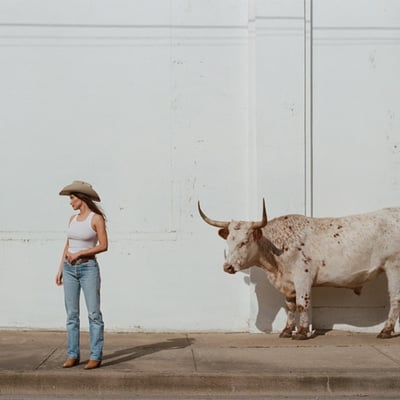
Kacey Musgraves Middle of Nowhere
Released Apr 30, 2026 Kacey Musgraves, under exclusive license to Lost Highway
Established consensus 12 professional reviews Updated May 6, 2026
Broadly positive consensus
Kacey Musgraves's Middle of Nowhere returns her to roomy, rootsy terrain where solitude and wry self-possession collide, and critics largely agree the record succeeds on its own modest, assured terms.
How ChoruScore worksCritics' Top Tracks
The songs critics returned to most
Middle of Nowhere
9 critic mentions
“On "Loneliest Girl" and the title track, she expresses her longing to go off grid: "It’s just me and me, and that’s all I need,” — Slant Magazine
Loneliest Girl
7 critic mentions
“I don’t have to act like I like all your friends, or your mama,” she deadpans on the breezy, banjo-inflected “Loneliest Girl.” — Rolling Stone
Rhinestoned
3 critic mentions
“Later, she combines Nashville glamour with West Coast attitude in the pun-tastic and glistening "Rhinestoned".” — Beats Per Minute
Full critic consensus
Kacey Musgraves's Middle of Nowhere returns her to roomy, rootsy terrain where solitude and wry self-possession collide, and critics largely agree the record succeeds on its own modest, assured terms. Across 12 professional reviews the album earned an 82.5/100 consensus score, with reviewers repeatedly pointing to the title song “Middle of Nowhere”, “Loneliest Girl” and “Dry Spell” as standout tracks that balance sharp songwriting with classic country instrumentation. The opening title track is frequently singled out for its slide guitar and layered harmonies, while “Loneliest Girl” and “Dry Spell” crystallize Musgraves' blend of mordant humour and weary yearning.
Critics note a genre-blending move that folds Texan country, norteña and mariachi flavors into a neo-traditional framework, making the record feel like a homecoming rather than a retreat. Reviews from The Independent, Pitchfork and Rolling Stone emphasize narrative detail and conversational wit, and several pieces highlight collaborative turns and regional color on songs like “Uncertain, TX” and “Horses and Divorces”. While some reviewers describe moments as understated rather than immediate, the consensus praises Musgraves' evolving vocal delivery and the record's emotional clarity across themes of independence, letting go and small-town liminality.
Taken together the professional reviews frame Middle of Nowhere as a considered return to roots that rewards repeat listens: its best songs emerge from precise storytelling, tasteful arrangements, and a renewed sense of freedom. For listeners wondering whether Middle of Nowhere is worth hearing, critics generally answer yes—pointing new and longtime fans toward the title track, “Loneliest Girl” and “Dry Spell” as good places to start.
Track Ratings
How critics rated each track, relative to this album (0-100). Only tracks that made critics feel something are rated.
Middle of Nowhere
Dry Spell
Back On The Wagon
I Believe In Ghosts
Abilene
Coyote (feat. Gregory Alan Isakov)
Loneliest Girl
Everybody Wants To Be A Cowboy
Horses and Divorces
Uncertain, TX
Rhinestoned
Mexico Honey
Hell On Me
Get the next albums worth your time.
Critic-backed picks in one clean digest. No clutter.
What Critics Are Saying
Deep insights from 12 critics who reviewed this album

Critic's Take
Kacey Musgraves’s Middle of Nowhere reads like a contented, wry travelogue, and the best songs on Middle of Nowhere - notably “Middle of Nowhere” and “Loneliest Girl” - show her at ease with solitude and old habits finally laid to rest. Roisin O'Connor savours the luxuriously paced title track, its slide guitar and layered harmonies underpinning a life enjoyed without schedules, while “Loneliest Girl” becomes an anthem for the happily single with razor-sharp lines that sting and delight. The reviewist also elevates rootsy duets like “Uncertain, TX” and celebratory bangers such as “Horses and Divorces” as evidence that Musgraves has renewed spikiness alongside tenderness. Overall, the critic frames these best tracks as proof that she is not lost, but exactly where she needs to be.
Key Points
-
The title track is best for its luxuriously paced slide-guitar and celebration of freedom.
-
The album’s strengths are its blend of Texan roots and Mexican influences, candid lyrics, and renewed lyrical sharpness.
Themes

Critic's Take
In a voice that tilts between affectionate and analytical, Kacey Musgraves reframes Middle of Nowhere by folding country signifiers into the musical universe she has been building. The record’s best tracks - notably the title track "Middle of Nowhere" - reveal how she brings twang into a pop-psychedelic palette, much like a modern take on McCartney’s melodic instincts. The result is not a retreat into tradition but a subtle, confident reweaving of roots and experimentation, which makes the best songs on Middle of Nowhere feel both familiar and newly daring.
Key Points
-
The title track is the album’s clearest example of Musgraves folding country elements into her established musical base.
-
The album’s core strength is its genre-blending approach that reframes country signifiers within a pop-psychedelic framework.
Themes
Ho
Critic's Take
Kacey Musgraves sounds at home and adventurous on Middle of Nowhere, a vivid road‑trip through country, norteña and mariachi that often thrills. The tone is admiring and warm, noting how Musgraves moves across styles without losing a strong narrative voice.
Key Points
-
“Abilene” is the best song because it embodies the album’s fugitive, small‑town escape narrative.
-
The album’s core strength is its vivid, genre‑hopping borderlands imagery and narrative songwriting.
Themes

Critic's Take
Kacey Musgraves returns with Middle of Nowhere, a low-key, rootsy record where the best tracks are quietly devastating rather than flashy. The title song lands like a small, precise portrait, and “I Believe In Ghosts” is warm and sparky, made for tired stoics on a dusty dancefloor. “Dry Spell” registers as a femcel anthem, pairing a cantering rhythm with a thousand-yard stare, while “Back On The Wagon” and “Loneliest Girl” play tenderly opposite each other as ways of kidding ourselves. Musgraves sacks off pageantry and lets conversational wit and side-eye do the work, which is why these are the best songs on Middle of Nowhere.
Key Points
-
The best song, "I Believe In Ghosts", is warm, sparky and built for a dusty dancefloor.
-
Album strengths are its return to rural roots, spare arrangements, conversational wit and quiet emotional clarity.
Themes

Critic's Take
Kacey Musgraves’s Middle of Nowhere feels like a true homecoming, and the best tracks — notably “Middle of Nowhere” and “Hell on Me” — reveal why. The title song sums up her liminal state with that wry, small-town clarity, while “Hell on Me” is possibly her most devastating song to date, keeping the record honest. There’s giddy Texan camaraderie on “Horses and Divorces” and barbed wit on “Loneliest Girl”, so best songs on Middle of Nowhere balance humor, heartbreak and vivid regional detail.
Key Points
-
“Hell on Me” stands out as the album’s emotional centerpiece because of its sparse arrangement and devastating honesty.
-
The album’s core strength is its confident homecoming to twangy, Texan sounds fused with música mexicana touches and sharp songwriting.
Themes

Critic's Take
Steve Erickson finds the best songs on Middle of Nowhere rooted in quiet, character-driven detail, especially “Loneliest Girl” and the title track. He frames Kacey Musgraves as returning home with a bemused tone, leaning into neo-traditional country textures and pedal steel that sounds like sobbing or shouting. The review highlights how tracks such as “Back On The Wagon” and “Uncertain, TX” render precise vignettes about love, loneliness, and social expectation. Overall Erickson positions Kacey Musgraves as regained and resolved, and recommends listeners seeking the best tracks on Middle of Nowhere start with the title song and “Loneliest Girl”.
Key Points
-
The title track is the emotional centerpiece, articulating a desire to go off-grid and embrace independence.
-
The album’s core strengths are character vignettes, neo-traditional country arrangements, and a palpable melancholy carried by pedal steel.
Themes
Th
Critic's Take
On Middle of Nowhere Tim Cumming hears the same sharp, witty songwriting that first announced Kacey Musgraves, and he foregrounds her gift for concise, memorable turns of phrase. He frames Kacey as a superior, funnier, filthier counterpoint to the uber-megastar, which suggests the best tracks on Middle of Nowhere are those that foreground storytelling and sly humour. The review implies the album's strongest moments are those that feel like intimate performances, songs that would make listeners pause and head for a dive bar. Cumming's tone is admiring and seasoned, pointing readers toward the songs that emphasize clarity of storytelling and character.
Key Points
-
The best songs are those that showcase Musgraves's witty, concise storytelling.
-
The album's core strengths are memorable turns of phrase and clear character-driven songwriting.
Themes


Critic's Take
In this review Ljubinko Zivkovic hears Kacey Musgraves staking out new ground on Middle of Nowhere, and he repeatedly points to the opener “Middle of Nowhere” and the sleek “Loneliest Girl” as the best tracks on the album. He writes with measured admiration, noting how the title track lets Musgraves sound self-possessed while “Loneliest Girl” balances pop-leaning production with classic pedal steel. Overall the tone is appreciative and analytical, convinced Musgraves is freely choosing her roads rather than retreating to old formulas.
Key Points
-
The best song is the opener "Middle of Nowhere" because it exemplifies Musgraves' inversion of genre elements with self-possession.
-
The album's core strength is blending country instrumentation with pop and other genres while retaining intimate, relatable lyrics.
Themes

Critic's Take
Kacey Musgraves leans into classic country on Middle of Nowhere, trading the airy Deeper Well voice for a sly, pragmatic tone that rewards repeated listens. The review hails “Dry Spell” as a pristinely constructed, sultry standout and frames “Rhinestoned” as an album highlight, the corrective for misery that encapsulates Musgraves’ wit. Guest turns - from Billy Strings to Willie Nelson - enrich songs like “Everybody Wants To Be A Cowboy” and “Uncertain, TX” without stealing the record’s center. Overall, the best songs on Middle of Nowhere balance sharp songwriting, classic country instrumentation, and Musgraves’ conversational, often wry delivery.
Key Points
-
Rhinestoned is the album highlight because it marries classic country wordplay with a corrective, feel-better payoff.
-
The album’s core strengths are sharp songwriting, classic country instrumentation, and Musgraves’ witty, pragmatic voice.
Themes

Critic's Take
Kacey Musgraves returns to a pared-back, outlaw-tinged sound on Middle of Nowhere, and the best songs on Middle of Nowhere show her at her most homespun and sure. The reviewer's favourite moments are the Tejano-tinged trio “Back On The Wagon”, “Uncertain, TX” and “Mexico Honey”, which feel like dreamy pools where Musgraves' honeyed voice meets her roots. There are also sparks of classic Musgraves mischief in “Dry Spell” and the winking duet “Horses And Divorces” that remind you why her comic bite still lands. Overall the album puts Musgraves squarely back in the saddle, choosing intimacy and conviction over maximalism, and those standout tracks carry that choice beautifully.
Key Points
-
The best song moments are the Tejano-tinged tracks, especially “Back On The Wagon”, for their transportive melding of voice and roots.
-
The album’s core strength is its cohesive theme of chosen solitude delivered through pared-back, bluegrass-inflected arrangements.
Themes
Am
Critic's Take
Kacey Musgraves finds a reflective center on Middle of Nowhere, where solitude becomes a theme she unpacks with wry specificity and warm traditional instrumentation. The album's best tracks - “Dry Spell”, “Horses and Divorces” and “Abilene” - showcase her knack for pairing sly lines with pedal-steel heartache, and they are the best songs on Middle of Nowhere because they balance charm and emotional clarity. Musgraves leans into collaborators without losing herself, so the best tracks feel both intimate and textured, honest about being alone while refusing self-pity.
Key Points
-
“Dry Spell” is the best song because it pairs sly humor with poignant solitude.
-
The album’s core strengths are its intimate storytelling and return to traditional country instrumentation.