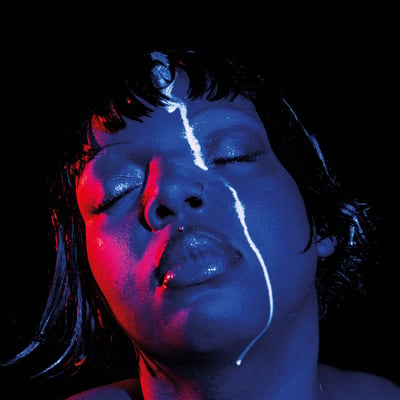
keiyaA hooke’s law
Released Oct 31, 2025 XL Recordings
Established consensus 5 professional reviews Updated Oct 1, 2026
Broadly positive consensus
keiyaA's hooke’s law binds anger, desire and elegiac club energy into a record that feels both intimate and kinetic, and critics largely agree it succeeds.
How ChoruScore worksCritics' Top Tracks
The songs critics returned to most
i h8 u
4 critic mentions
“The whole system is a scam / The poor suffering is the plan / Nickel and dime your life” — The Line of Best Fit
waltz d'hethert
1 critic mention
“01. waltz d'hethert” — Resident Advisor
think about it/what u think?
3 critic mentions
“I’m tryna just get real studious / then it’s head down, booty up,” keiyaA sings on ‘think about it / what u think” — The Quietus
Full critic consensus
keiyaA's hooke’s law binds anger, desire and elegiac club energy into a record that feels both intimate and kinetic, and critics largely agree it succeeds. Across five professional reviews the collection earned an 82.6/100 consensus score, with reviewers pointing to a set of taut, memorable songs that marry experimental R&B textures with frank self-examination.
Critics consistently cite “i h8 u”, “thirsty” and “get close 2 me” as standout tracks, while publications from The Quietus to AllMusic also highlight “think about it/what u think?” and “Break It” for their confrontational lyricism and inventive production. Reviewers praise how keiyaA folds bedroom/online life, grief and political-economic observations into hybrid, jazz-tinged arrangements, turning personal hardship into prickly electro-pop and club-ready catharsis. The result is a record of contradictions - fun and moving, angry and healing - where grounded production keeps the album focused even as ideas pile up.
While some critics note repetition in places, the critical consensus emphasizes the album's ambition and emotional clarity: its best songs land with embodied force, balancing poetic lines and inventive sound design. For readers wondering whether hooke’s law is worth exploring, the professional reviews suggest it offers multiple high points and a distinct sophomore statement that deepens keiyaA's artistic pluralism.
Track Ratings
How critics rated each track, relative to this album (0-100). Only tracks that made critics feel something are rated.
waltz d'hethert
i h8 u
stupid prizes
take it
be quiet!!!
think about it/what u think?
k.i.s.s.
make good
this time
lateeee
get close 2 me
fire sign oath
motions
motions (reprise)
break it
thirsty
devotions
nobody show
until we meet again
Get the next albums worth your time.
Critic-backed picks in one clean digest. No clutter.
What Critics Are Saying
Deep insights from 5 critics who reviewed this album
Re
Critic's Take
keiyaA folds club energy into a story of grief on hooke’s law, making songs like “waltz d'hethert” and “i h8 u” feel both urgent and elegiac. The writing treats the record as an explosive sophomore statement, equal parts dance-floor and heartache, so that the best songs on hooke’s law linger long after the beat drops. Mickles’ voice is admiring and brisk, noting how the album is as moving as it is fun while highlighting those opening tracks as key moments. This balance is why listeners searching for the best songs on hooke’s law will return to those early, propulsive cuts.
Key Points
-
The best song is an early track because the opening sequence melds club energy with grief, making it both urgent and elegiac.
-
The album’s core strength is its fusion of R&B songwriting with club-inflected production that balances sorrow and fun.
Themes

Critic's Take
keiyaA's hooke’s law finds its best songs in the places where introspection meets heft - notably be quiet!!! and think about it/what u think?. Grant Sharples writes with warm specificity about how lyrics interrogate the self and how production - from Auto-Tune runs to jazz drumming - makes those moments land. The record's standout tracks are praised for being sturdier and fuller, songs that illuminate the shadows rather than tidy them away. For listeners searching for the best songs on hooke’s law, the album rewards attention to these bold, embodied moments.
Key Points
-
The best song is best because it pairs intimate lyricism with grounded, fuller production that foregrounds emotional excavation.
-
The album's core strength is its blend of inscrutability and musical pluralism, uniting jazz, R&B, electronica, and hip-hop into a cohesive self-examination.
Themes

Critic's Take
On hooke’s law keiyaA turns bedbound scrolling into combustible art, and the best songs - notably i h8 u and get close 2 me - show that loaded spring. The record moves between sprawling, layered production and moments of crystalline clarity; i h8 u sets the scene with bubbling video-game bleeps and alarms, while get close 2 me strips off autotune for a raw admission that anchors the album. Elsewhere, songs like stupid prizes and think about it/what u think? supply the anger and poetic heft that keeps the momentum taut. The result is a coiled, rigorous second album that uses low points as fuel - sexier and funnier than a physics lesson, and frequently thrilling.
Key Points
-
The best song(s) like i h8 u and get close 2 me combine inventive production with emotional clarity, making them anchors.
-
The album’s strengths are its hybrid production, literary-political references, and the way intimate bedroom detail fuels broader poetic anger.
Themes

Critic's Take
In a voice both candid and wily the reviewer maps out the best tracks on hooke’s law, flagging I H8 U and Break It as sharp highlights. The piece emphasizes how keiyaA turns personal hardship into prickly electro-pop and inventive rhythms, making songs like Take It and Think About It/What U Think? feel urgent and singular. The critic praises the album's pileup of ideas that never becomes a mess, and frames these top songs as where her avant-R&B, jazz and experimental impulses cohere most potently. This is an album whose best tracks balance confrontation and intimacy while refusing to impress anyone but themselves.
Key Points
-
The best song, I H8 U, crystallizes keiyaA's prickly electro-pop and political bite.
-
The album's core strengths are its candid emotional honesty, hybrid experimental R&B textures, and confident one-woman production.
Themes

Critic's Take
In this review Allen Hale writes with tempered, analytical warmth about keiyaA’s hooke’s law, naming “i h8 u” and “thirsty” as particularly telling moments. He frames the record as a collision of skeptical healing and electronic R&B textures, noting how “i h8 u” opens with a disorienting, distending chorale and how “thirsty” arrives as a developed moment of arrival. The reviewer’s voice stays measured and observant, praising the album’s frank admissions while candidly acknowledging lapses in repetition. Altogether this keeps the reader focused on the best tracks on hooke’s law and why they matter within keiyaA’s larger project.
Key Points
-
The best song, notably “thirsty”, crystallizes the album's recombination of familiar textures into a developed, arriving moment.
-
Hooke’s law’s core strength is its candid, varied performances that fuse confessional writing with electronic R&B production.