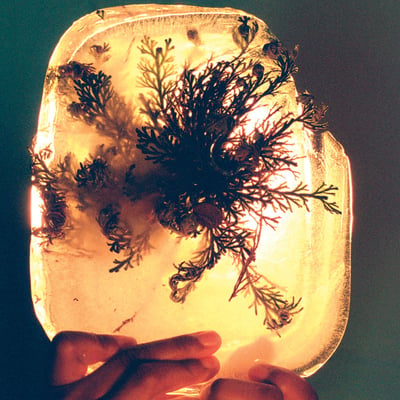
L’Rain fata morgana
Released Aug 14, 2026 Mexican Summer
Consensus forming 3 professional reviews Updated Aug 25, 2026
Broadly positive consensus
Consensus is still forming across 3 professional reviews. L’Rain's fata morgana arrives as a spectral, shape-shifting statement that rewards close listening and boldness.
How ChoruScore worksCritics' Top Tracks
The songs critics returned to most
soulless cycle
3 critic mentions
“a gradual buildup of rock chords into reverb laden guitar noise, it’s an epic and brutal journey” — Beats Per Minute
july 5th
3 critic mentions
“eventually exploding into a racing rhythm layered with sirens and an electric verse by dancehall veteran Screechy Dan” — AllMusic
birthday
3 critic mentions
“the smooth R&B slow jam "Birthday," which ultimately embraces and celebrates being lonely and single.” — AllMusic
Full critic consensus
L’Rain's fata morgana arrives as a spectral, shape-shifting statement that rewards close listening and boldness. Across professional reviews, critics point to the record's mix of lush reverb, abrasive shocks and genre-blending risk-taking as its defining force, and they repeatedly single out “soulless cycle”, “july 5th” and “birthday” as the album's most arresting moments.
The critical consensus positions fata morgana as both daring and emotionally precise, earning an 82.33/100 consensus score across 3 professional reviews. Reviewers consistently praise L’Rain's sound design - spectral vocals, percussion-driven loops, and heavy reverb - which frames recurring themes of illusion versus reality, self-doubt and perseverance. “Soulless cycle” is widely described as the record's detonator, moving from fog to brute guitar force; “july 5th” and “birthday” register as revelations, folding anger, ritual and weary gospel into elegiac, dreamlike arrangements. Critics note the album's pleasure in unpredictability, from hypnotic folk stretches to dancehall rhythms and noise-rock surges.
While admiration dominates, reviewers also emphasize that fata morgana demands patience - its rewards come through repeated listens and attention to texture. For fans wondering whether fata morgana is worth listening to, the consensus suggests yes: L’Rain has constructed a record where creative risk and emotional intensity cohere into some of her most compelling work, setting it apart in her catalog and offering multiple standout tracks that answer the common question of which are the best songs on fata morgana.
Track Ratings
How critics rated each track, relative to this album (0-100). Only tracks that made critics feel something are rated.
rumors of light
with time
blue
july 5th
bedroom songs
borderline
elmyra
soulless cycle
no body / know body
glass ceiling
i remember
birthday
church of no one
Get the next albums worth your time.
Critic-backed picks in one clean digest. No clutter.
What Critics Are Saying
Deep insights from 7 critics who reviewed this album

Critic's Take
L’Rain's fata morgana is an album that rewards patience, and the best songs - like “with time” and “soulless cycle” - reveal that reward most vividly. John Wohlmacher writes in an observant, scholarly cadence that lingers on texture and image, noting how “with time” unfolds as a horror-movie-tinged spiral while “soulless cycle” shocks with epic guitar brutality. The review frames these tracks as exemplars of Cheek's return to stranger, murkier territory, where spectral vocals and dense collisions of sound make the record feel visionary. In that voice, the narrative insists the best tracks on fata morgana are those that juxtapose tenderness and violence to dramatize perseverance in impossible environments.
Key Points
-
The best song(s) like "soulless cycle" and "with time" stand out by juxtaposing spectral tenderness with explosive physicality.
-
The album's core strength is its textural daring and ability to make unfamiliar sonic languages cohere into visionary statements.
Themes

Critic's Take
L’Rain returns with fata morgana, an album where the best tracks like “Soulless Cycle” and “Elmyra” crystallize Taja Cheek's knack for transformative shifts in genre and texture. The reviewer's voice leans toward admiration, praising how “Soulless Cycle” throbs with dubby echoes while “Elmyra” rises into one of the record's most joyous moments. Also singled out are “Blue” and “Borderline” for their murky atmospheres and acid-soaked finales, making them among the best songs on fata morgana for listeners seeking dreamier, nebulous moments. This is an album that rewards repeated listens, with its best tracks standing out for emotional clarity amid collateral noise.
Key Points
-
The best song, "Soulless Cycle", stands out for its throbbing bass, dubby echoes and impactful noisy-guitar interruption.
-
The album's core strengths are dreamlike production, genre shifts, and emotionally candid themes of alienation and loneliness.
Themes
Sh
Critic's Take
In her confident, granular voice, L’Rain on fata morgana makes the best songs - like “july 5th” and “soulless cycle” - feel both accusatory and healing, a kind of weary gospel that keeps insisting on freedom. The record’s highlights are sculpted from repetition and small revelations, where “july 5th” aims its anger outward and “church of no one” and “birthday” fold solitude into ritual. The reviewer’s attention to phrasing and the brief, potent refrains explains why these are the best tracks on fata morgana, songs that convert tiredness into wary, stubborn beauty.
Key Points
-
“july 5th” is best for its pointed anger and liberatory countervoice that crystallize the album’s themes.
-
fata morgana’s core strengths are its repetitive, fragmentary phrasing and the way tiredness is turned into ritualized, soulful expression.
Themes

Critic's Take
L’Rain's fata morgana feels sunken and beautifully unmoored, songs catching feelings before they are coherent, which is why the best songs on fata morgana - “july 5th”, “elmyra” and “birthday” - stand out as revelations. The record pushes a new lushness, sun-bleached and languorous, yet the unpredictability that defines her work keeps these tracks spinning away from obvious conclusions. There is a trust in instinct here, and those standout moments feel like some of the best music of her career.
Key Points
-
The best song, “july 5th”, exemplifies L’Rain’s unpredictable shifts by collapsing into another song, a mark of daring craft.
-
The album’s core strengths are its lush, sun-bleached textures, intense emotion, and a willingness to let songs dissipate rather than resolve.
Themes

Critic's Take
In a voice that alternates between bewilderment and resolve, L’Rain turns fata morgana into a study of interior fracture and stubborn craft. The best songs on fata morgana - notably “July 5th”, “With Time” and “Soulless Cycle” - show Cheek switching moods with confidence, from hypnotic folk into punchy dancehall, then into pummelling noise rock. The reviewer revels in how percussion and looping synths propel these tracks, making them the album's most striking moments. Ultimately, the record rewards listeners who follow its surprising turns, where fury and joy coexist and Cheek lets instinct lead the way.
Key Points
-
The best song, "Soulless Cycle", is the album's explosive centerpiece that reshapes its tenor with noise rock intensity.
-
fata morgana's core strengths are adventurous shifts in mood, inventive percussion, and Cheek's willingness to let instinct drive surprising transitions.
Themes

Critic's Take
L’Rain’s fata morgana feels like a gentle experiment in doubt, where the best songs - “glass ceiling”, “borderline”, and “soulless cycle” - fold insecurity into sumptuous arrangements. Stephen Kearse writes with patient, descriptive exactness, noting how “glass ceiling” melts into a scrim of guitar strums while “borderline” picks at insecurities like scabs. He treats “soulless cycle” as an outrider, a pure headbanger that nevertheless fits the album’s spectral logic. The result answers searches for the best tracks on fata morgana with measured praise, pointing to songs that balance lyrical doubt and radiant, layered production.
Key Points
-
“soulless cycle” is the album’s boldest moment, marrying speed-metal energy to the record’s spectral calm.
-
The album’s strength is its layered, genre-fluid arrangements that nestle doubt and unease into luminous production.
Themes

Critic's Take
L’Rain’s fata morgana is at once an atmosphere and a revelation, but the record’s apex is clearly “soulless cycle”, which detonates from fog into one of the most powerful recordings in recent memory. The album luxuriates in meticulous layering and sound design - tracks like “with time” and “july 5th” show Cheek’s gift for eerie lullaby melodies and surprising genre pivots while never losing that drift. If you search for the best songs on fata morgana, you will land on “soulless cycle” first, then find reward in the album’s quieter, shapeshifting moments. Overall, the record feels intentionally avant-garde yet rewarding, a procession of moments that swell into genuine emotional payoff.
Key Points
-
“soulless cycle” is the album’s standout due to its visceral build, bombastic payoff, and repeated emotional impact.
-
The album’s core strength is meticulous sound design and shapeshifting textures that reward close, patient listening.