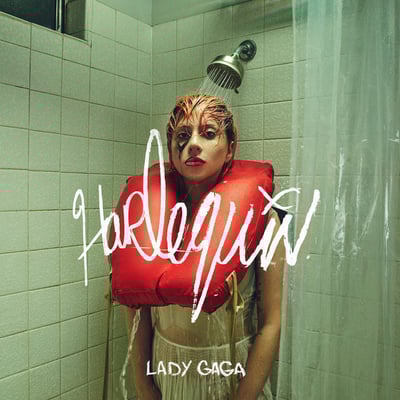
Lady Gaga Harlequin
Released Sep 27, 2024 Lil Monsters LLC under exclusive license to Interscope Records
Established consensus 8 professional reviews Updated Jan 1, 2026
Mostly positive consensus
Lady Gaga's Harlequin stages a bold, theatrical detour that foregrounds big-band swing, Old Hollywood glamour and a fractured Harley Quinn persona across originals and jazz-tinged covers.
How ChoruScore worksCritics' Top Tracks
The songs critics returned to most
Good Morning
8 critic mentions
“The album opens with a rendition of “Good Morning” that has everything from gang callouts, jazzy drum rolls, and ripping saxophones.” — Sputnikmusic
The Joker
8 critic mentions
“The Joker” is, objectively, the worst song on the album, but it’s so loud and silly that I can’t help but bob along” — Sputnikmusic
Happy Mistake
6 critic mentions
“the lovely, Joanne -esque ballad “Happy Mistake,” gets at the deeper parts of the character’s” — Slant Magazine
Full critic consensus
Lady Gaga's Harlequin stages a bold, theatrical detour that foregrounds big-band swing, Old Hollywood glamour and a fractured Harley Quinn persona across originals and jazz-tinged covers. Critics agree the record's dramatic arc and showmanship are its chief attractions, even as opinions split over whether the spectacle sometimes overwhelms the intimacy at the heart of songs like “Happy Mistake” and “Smile”.
Across eight professional reviews that produced a 69.63/100 consensus score, reviewers consistently praise moments of genuine emotional clarity and furious stagecraft. Multiple critics single out “Good Morning”, “The Joker” and “Happy Mistake” as standout tracks, while “That’s Entertainment”, “Smile” and reinterpretations such as “Get Happy (2024)” and “World On A String” recur in assessments of the best songs on Harlequin. Reviewers note recurring themes - persona versus self, romantic collapse, vocal excess versus restraint, and a revival of jazz standards - and many frame the record as a cinematic companion to Gaga's film work, with character-driven numbers functioning as scene pieces.
The critical consensus is mixed-positive: some critics applaud the album's revitalization of jazz idioms and the theatrical risk-taking that lets Gaga act as much as sing, while others call out heavy-handed moments where covers lean on nostalgia rather than reinvention. If you search for a succinct verdict or ask whether Harlequin is worth hearing, the score and reviews suggest a compelling, occasionally uneven listen best appreciated for its standout tracks and fearless persona work. Read on for full reviews that unpack where the record's lavish showmanship succeeds and where it slips into pastiche.
Track Ratings
How critics rated each track, relative to this album (0-100). Only tracks that made critics feel something are rated.
Good Morning
Get Happy (2024)
Oh, When The Saints
World On A String
If My Friends Could See Me Now
That's Entertainment
Smile
The Joker
Folie à Deux
Gonna Build A Mountain
Close To You
Happy Mistake
That's Life
Get the next albums worth your time.
Critic-backed picks in one clean digest. No clutter.
What Critics Are Saying
Deep insights from 10 critics who reviewed this album

Critic's Take
Lady Gaga sounds liberated on Harlequin, embracing camp and swing with a grin that makes the best tracks joyful and oddly moving. The review points to “Good Morning” and “Oh, When the Saints” as standout moments, buoyed by ripping saxophones and an ever-ascending trajectory that ends in pure FUNK. In short, the best songs on Harlequin sell the concept by balancing brash spectacle with intimate payoff, which is why many listeners will call these the album's best tracks.
Key Points
-
The best song is best because it pairs full-throttle performance with inventive jazz-pop arrangements that sell the album’s concept.
-
The album’s core strengths are Gaga’s liberated, theatrical delivery and the balance between brash camp and genuine tenderness.
Themes

Critic's Take
Lady Gaga leans into full-on theatricality on Harlequin, and the best songs - notably “Good Morning” and “That’s Entertainment” - show why. The record wears its musical-theater influences proudly, blending big band swing and character work into an album that reads like the soundtrack to a three-act drama. There are missteps - “The Joker” lands too heavy-handed - but moments like “Smile” operate as powerful emotional centerpieces, making it clear why fans searching for the best tracks on Harlequin should start there.
Key Points
-
“Smile” stands out as the album's emotional centerpiece, following the narrative low point.
-
The album's core strengths are its theatricality, character-driven storytelling, and big band swing arrangements.
Themes

Critic's Take
Lady Gaga wears character and chamber-pop with equal cunning on Harlequin, and the best tracks - notably “That’s Entertainment” and “Happy Mistake” - make that tension feel alive. Matthew Dwyer writes with a practiced theatrical eye, calling the album a modern polish on jazz classics while insisting Gaga still controls every gesture. The centerpiece, “That’s Entertainment”, is described as a summary of her enterprise, and “Happy Mistake” provides the album's most honest reckoning with fame. The record’s showmanship proves her point: spectacle as argument, tenderness as confession.
Key Points
-
“That’s Entertainment” is best because it explicitly frames Gaga’s project: life and performance are inseparable.
-
The album’s core strength is its theatrical revival of jazz standards to interrogate fame and persona.
Themes


Critic's Take
Lady Gaga stays vividly in character on Harlequin, leaning into Old Hollywood glamour while spotlighting new touches like “Happy Mistake” and “The Joker”. Rob Sheffield’s voice admires the luxuriant, jazzy swing, noting how she channels Judy Garland and Sinatra yet makes songs her own. The best songs on Harlequin - notably “Happy Mistake” and “That’s Life” - are praised for emotional truth and theatrical bravado. This record reads as a passionate, stylish detour that still tells Gaga’s ongoing story.
Key Points
-
The best song is "Happy Mistake" because it is original, emotionally revealing, and called the highlight by the reviewer.
-
The album’s core strengths are Gaga’s theatrical swing, Old Hollywood stylings, and her ability to inhabit character while making standards her own.
Themes

Critic's Take
Lady Gaga returns to her jazz-inflected side on Harlequin, and the best songs here - “Good Morning” and “Get Happy (2024)” - bristle with unrestrained energy and showmanship in the record’s most thrilling moments. The reviewer’s relish for theatrical excess keeps coming back, whether in the maniacal bounce of “Good Morning” or the sultry grab of “Get Happy (2024)”, and those tracks best answer the question of the best songs on Harlequin. Elsewhere cuts like “Oh, When The Saints” and “Gonna Build A Mountain” adapt familiar material with funky or gospel twists, explaining why these are among the best tracks on the album. Overall the album reads as a successful, fun adjunct to Gaga’s career, a record that delights when it leans into spectacle.
Key Points
-
The best song is 'Good Morning' because its maniacal, gleeful energy exemplifies the album’s strengths.
-
The album’s core strength is showing Gaga’s breadth, linking cinema and jazz with theatrical, surreal reinterpretations.
Themes

Critic's Take
Lady Gaga slips into Harlequin with a mixture of reverence and theatrical overreach, and the best tracks - notably “Good Morning” and “Gonna Build A Mountain” - showcase her grit more than her subtlety. Sal Cinquemani’s ear catches the album’s habit of opening with intimacy and then detonating into bombast, which makes covers like “If My Friends Could See Me Now” and “That’s Entertainment” feel like bait-and-switches rather than faithful reinventions. Overall, the best songs on Harlequin are those that balance restraint and theatricality, where Gaga’s commitment turns excess into character-driven performance.
Key Points
-
“Gonna Build A Mountain” is the best song because it delivers one of Gaga’s most powerful and soulful performances.
-
The album’s core strength is theatrical, character-driven vocal performances that balance restraint and bombast.
Themes

Critic's Take
Lady Gaga revisits the Great American Songbook on Harlequin, and her best tracks - notably “The Joker” and “Smile” - are where the album actually reaches the film's twisted heart. Helen Brown writes with the same sharp-eye that notes when a record merely adorns a movie versus when it embodies it, praising the growling, full-throttle stomp of “The Joker” and the murky, breathy melancholy of “Smile”. The originals “Folie à Deux” and “Happy Mistake” offer the album's off-kilter moments, but mostly this is a serviceable, occasionally thrilling covers set rather than a revelation.
Key Points
-
The album's best song is "The Joker" because it is described as the only essential, full-throttle and characterful performance.
Themes


Critic's Take
Lady Gaga's Harlequin plays like a glitzy, intimate curio that spotlights her big-band chops rather than breaking new ground. The reviewer's fondness for the record centres on the warm swing of “World On A String” and the ragged, guitar-tinged thrust of “The Joker”, which supply the album's liveliest moments. Ultimately, the best songs on Harlequin are those that let Gaga's loosened, expressive energy show through - notably “World On A String” and “The Joker”.
Key Points
-
The best song is "World On A String" because its warm arrangement and Gaga’s effortless glide make it the record’s most convincing moment.
-
The album's core strengths are Gaga’s confident vocals, big-band arrangements, and moments where guitars and loosened energy break through the standards.