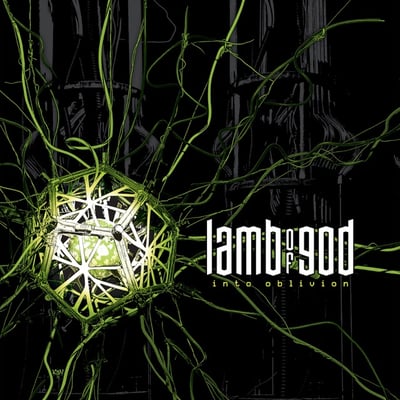
Lamb of God Into Oblivion
Released Mar 13, 2026 Epic
Established consensus 10 professional reviews Updated Mar 20, 2026
Broadly positive consensus
Lamb of God's Into Oblivion reasserts the band's ferocious identity while nudging their sound into sharper, occasionally experimental territory, and the critical consensus suggests it largely succeeds.
How ChoruScore worksCritics' Top Tracks
The songs critics returned to most
Into Oblivion
9 critic mentions
“As soon as you hit play on the title track and that first riff from Mark blasts you, you know you're in for one hell of a treat.” — Sputnikmusic
El Vacío
9 critic mentions
“El Vacío" is unforgettable among Lamb Of God’s catalogue for its use of dynamics alone” — The Spill Magazine
Sepsis
7 critic mentions
“recent single "Sepsis" is a snarling, predatory sludge monolith, with some of the most vivid and grotesque imagery” — Blabbermouth
Full critic consensus
Lamb of God's Into Oblivion reasserts the band's ferocious identity while nudging their sound into sharper, occasionally experimental territory, and the critical consensus suggests it largely succeeds. Across ten professional reviews the record earned an 82.6/100 consensus score, with critics repeatedly pointing to the title track “Into Oblivion” as a monstrous opener and calling out “Sepsis” and “El Vacío” as essential moments that balance groove, sludge and melodic detours.
Reviewers agree that the collection favors riffcraft and stage-ready aggression - songs like “Parasocial Christ” and “St. Catherine's Wheel” were highlighted for their live-ready impact - while quieter turns such as “El Vacío” provide emotional weight. Professional reviews praise the album's blend of industrial brutality, concise songwriting and political ire, noting Randy Blythe's pointed lyricism and the band's renewed ferocity. Critics consistently framed the record as a return to form and a late-career renaissance, commending its vitality, groove, and willingness to mix sludgy experimentation with merciless riffing.
Not all responses are unqualified. Some reviews flagged surplus runtime and a few formulaic passages, and a handful suggested the occasional detour undercuts momentum. Still, the prevailing view among music critics is that Into Oblivion offers enough standout tracks and renewed intensity to be considered one of Lamb of God's strongest statements in years, a record that answers questions about whether it is worth listening to with emphatic, stage-ready songs and thoughtful moments of restraint.
Track Ratings
How critics rated each track, relative to this album (0-100). Only tracks that made critics feel something are rated.
Into Oblivion
Parasocial Christ
Sepsis
The Killing Floor
El Vacío
St. Catherine's Wheel
Blunt Force Blues
Bully
A Thousand Years
Devise / Destroy
Get the next albums worth your time.
Critic-backed picks in one clean digest. No clutter.
What Critics Are Saying
Deep insights from 10 critics who reviewed this album

Critic's Take
Lamb of God sound absolutely revitalized on Into Oblivion, and the best songs on Into Oblivion prove it. The title track “Into Oblivion” hits immediately with Mark's blasting riff and sets the tone, while heavy hitters like “Sepsis”, “The Killing Floor” and “Bully” deliver crushing breakdowns and Randy's unhinged snarls. The band also balances brutality with groove on tracks such as “El Vacío” and “St. Catherine's Wheel”, giving the album melodic, riff-centric variety. Overall, this feels like Lamb of God's most cohesive, visceral record in years.
Key Points
-
The title track “Into Oblivion” sets the album's tone with a blasting riff and is the standout opener.
-
The album's core strengths are its blend of crushing deathcore-influenced brutality and melodic, groove-driven riffing.
Themes
Di
Critic's Take
Lamb of God sound reinvigorated on Into Oblivion, and the best songs on the record show it plainly. The title track “Into Oblivion” opens with Blythe venomously seething and sets the unrelenting tone that makes it one of the album's standout moments. “Parasocial Christ” arrives like a wrecking ball, and the blunt, kinetic fury there marks it as a top track. Elsewhere, “El Vacío” supplies the emotional counterweight that makes the album’s highs hit harder, so these are the best songs on Into Oblivion for both force and feeling.
Key Points
-
The title track's venomous opening and raw vocals make it the album's defining moment.
-
Into Oblivion's strengths are concentrated songwriting, industrial brutality, and a convincing political and emotional core.
Themes
Go
Critic's Take
In a clenched, furious voice the reviewer frames Lamb of God's Into Oblivion as a much-needed musical fightback, name-checking the best songs like “Into Oblivion”, “The Killing Floor” and “Bully” as hard-hitting highlights. The piece leans on visceral imagery and blunt political motive, praising the opener “Into Oblivion” for summoning an "age of conspiracy", and celebrating “The Killing Floor” and “Bully” for their savage, satirical take on contemporary power. The reviewer keeps a rancorous, punchy cadence throughout, crediting Art Cruz and Mark Morton for the muscular backing that makes these best tracks land so decisively.
Key Points
-
The opener “Into Oblivion” anchors the album's dystopian themes and is the standout for setting the record's tone.
-
The album's core strength is its relentless, politically charged riffing married to razor-sharp lyrics and muscular performances.
Themes
Bl
Critic's Take
Lamb of God sound ferocious and renewed on Into Oblivion, and the best songs - notably “Into Oblivion” and “Sepsis” - drive that point home with monstrous riffs and venomous imagery. The reviewer revels in the band’s regained brutality, calling the title track a "monstrous, groovy thrasher" and praising “Sepsis” as a "predatory sludge monolith," which together answer the question of the best tracks on Into Oblivion. Even when the record sidesteps into darker melody on “El Vacío” and “A Thousand Years”, the critic argues these moments bolster the album’s emotional heft rather than dilute its force. Overall the tone is celebratory and relieved - this is, in the reviewer's view, the band's most ferocious and successful work in years, with clear standout tracks that justify the praise.
Key Points
-
The title track is the best song for its monstrous, groovy thrash and pitch-black soul.
-
The album's core strength is its return to ferocious, venomous riffing tempered by occasional melodic and emotional detours.
Themes

Critic's Take
Lamb of God's Into Oblivion finds the band at a furious peak, its best songs cutting with both wit and ferocity. Nick Ruskell lingers on “El Vacío” as a vivid example, where Randy Blythe asks pointed questions and connects anger with intelligence. The title track and the bruising dynamics across the record are praised for gritty production and riffs that hit like a tired boxer, so queries about the best tracks on Into Oblivion naturally point to “El Vacío” and the title cut. Ruskell's tone is admiring, insisting this is probably the best thing they have done in a decade, equal parts old-soul wisdom and young-man spit.
Key Points
-
El Vacío is best for its pointed questioning and emotional connection delivered by Randy Blythe.
-
The album's core strengths are gritty production, furious riffs, and a blend of mature wisdom and raw aggression.
Themes
An
Critic's Take
Lamb of God’s Into Oblivion feels like a deliberate return to form, written for the stage and built for impact. The reviewer’s voice insists that “Parasocial Christ” is a thrashy barn burner and one of the best songs Lamb of God have written in a decade, while “St. Catherine's Wheel” and “The Killing Floor” are painted as festival-ready shockers. The piece praises the bass-forward sludginess of “Sepsis” and the unexpected near-ballad mood of “El Vacío” as high points, balancing admiration with a terse dismissal of the generic cover and the surplus runtime of “Bully”.
Key Points
-
The best song is "Parasocial Christ" because the reviewer called it a thrashy barn burner and one of the best songs in a decade.
-
The album’s core strengths are its stage-ready ferocity, tightened runtime, and tasteful sludgy experimentation balancing roots and small departures.
Themes

Critic's Take
Lamb of God’s Into Oblivion arrives as a ferocious, consistent collection where the best songs - “Sepsis”, “Into Oblivion” and “El Vacío” - showcase both speed and fresh dynamics. The reviewer leans on vivid descriptors - the title track is an "absolute onslaught" that kicks into high gear, while “Sepsis” is praised for innovation and a winding, jangly verse that erupts in guttural screams. “El Vacío” is noted for its grunge-tinged eeriness and stark contrast between verse and chorus, making it an unforgettable standout. Overall the record is hailed as proof of the band’s relevancy, marrying brutal aggression with more cinematic, dynamic songwriting.
Key Points
-
Sepsis is best for its innovation and dynamic verse-to-chorus eruption.
-
The album’s core strength is marrying brutal aggression with more dynamic, cinematic songwriting.

Critic's Take
Lamb of God’s Into Oblivion often feels like a band doing what they do best, but with occasional flashes that really land. The title track “Into Oblivion” offers a decent chug and an understated chorus, while “El Vacío” provides welcome restraint with a sludgy chorus that refreshes the back end. “Blunt Force Blues” provokes the first intuitive mosh and redeems itself with a spoken-word breakdown and knuckled groove. If you want the best songs on Into Oblivion, these moments - the title track, “El Vacío” and “Blunt Force Blues” - are where the album’s strengths and variety sit.
Key Points
-
El Vacío is best for adding restraint and variety, making it the album’s most interesting turn.
-
The album’s core strengths are tight rhythms, occasional memorable choruses, and nods to earlier heavy influences.
Themes
Cl
Critic's Take
Stephen Hill writes that Lamb of God's Into Oblivion is a late-career renaissance, a mallet to the back of the skull that proves the band are BACK back. He flags the title track “Into Oblivion” as setting the seeds early with an explosive riff and intense vocals, then highlights “Sepsis” as the moment things really take off with grinding, industrial-tinged menace. He also praises “El Vacío” for its mournful, Alice In Chains feel that resolves into a hulking groove, and celebrates the groove-heavy riffcraft across the album as evidence this is their best since Resolution.
Key Points
-
Sepsis is the best track because the reviewer says it is where the album "really take[s] off" with grinding, industrial menace.
-
The album’s core strengths are bold experimentation paired with classic Lamb Of God riffcraft and potent grooves.
Themes

Critic's Take
Lamb of God return on Into Oblivion like a fistful of sharpened riffs, and the best tracks - “Into Oblivion”, “Parasocial Christ”, and “Sepsis” - showcase that ferocity and ambition. The opener “Into Oblivion” sets the tone with a towering chorus and lightning-fast riffing, while “Parasocial Christ” lands like a sucker punch with double-bass kicks and chugging lines. “Sepsis” puts John Campbell’s bass front and center and ends in an epic, frantic finale that begs for a mosh pit. Across the record, moments like the clean vocals on “El Vacío” and Art Cruz’s cymbal work on “St. Catherine's Wheel” prove Lamb of God are still taking chances and still vital.
Key Points
-
The opener “Into Oblivion” is the album’s best track because it immediately crystallizes the record’s ferocity and melodic power.
-
The album’s core strengths are thematic political critique and bold stylistic experimentation across metal subgenres.