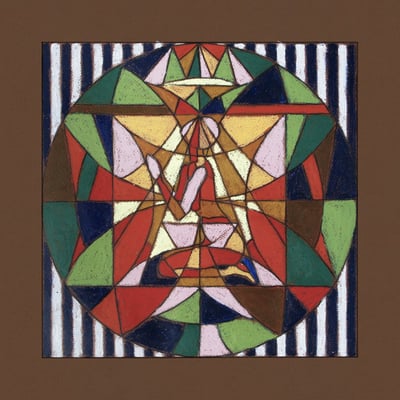
Laura Marling Patterns in Repeat
Released Oct 25, 2024 Chrysalis Records
Established consensus 16 professional reviews Updated Dec 31, 2025
Broadly positive consensus
Laura Marling's Patterns in Repeat arrives as a quietly powerful ledger of motherhood, lineage and small domestic miracles, with songs such as “Child of Mine” and “Patterns” repeatedly named among the best tracks on the record.
How ChoruScore worksCritics' Top Tracks
The songs critics returned to most
Child of Mine
16 critic mentions
“Opener “Child of Mine” rises from a terrycloth-soft strum, casually picking up a heavenly choir” — The Independent (UK)
Patterns in Repeat
14 critic mentions
“I want you to know that I gave it up willingly / Nothing real was lost in the bringing of you to me,” — DIY Magazine
Patterns
13 critic mentions
“A particular chord progression suffuses the record, most notably in the related early single ‘Patterns” — Clash Music
Full critic consensus
Laura Marling's Patterns in Repeat arrives as a quietly powerful ledger of motherhood, lineage and small domestic miracles, with songs such as “Child of Mine” and “Patterns” repeatedly named among the best tracks on the record. Across professional reviews, critics praise Marling's pared-back arrangements and intimate lyricism that turn tiny household details into expansive emotional scenes, answering the question of whether her new subject matter dilutes her art with a clear, affirmative lean toward accomplishment.
The critical consensus is strong: Patterns in Repeat earned an 82.13/100 consensus score across 16 professional reviews, and reviewers consistently point to “Child of Mine”, “Patterns” and “No One's Gonna Love You Like I Can” as standout tracks. Critics note recurring themes of loss and grief, intergenerational legacy, tenderness and repetition - cycles that the title track and centrepieces like “Lullaby” and “Looking Back” explore with spare guitars, subtle strings and a lullaby aesthetic. Several reviews highlight how restraint and domestic textures sharpen Marling's storytelling rather than flatten it.
While most accounts are admiring and emphasize the album's intimacy and narrative clarity, a smaller number of critics register less enthusiasm about the record's quietness, suggesting its hushed palette may feel too limited for some listeners. On balance the professional reviews agree that Patterns in Repeat is a rewarding, finely wrought collection where songwriting, familial reflection and tonal restraint cohere — a record that rewards repeated listens and secures its place in Marling's catalogue as an assured, tender statement.
Track Ratings
How critics rated each track, relative to this album (0-100). Only tracks that made critics feel something are rated.
Child of Mine
Patterns
Your Girl
No One's Gonna Love You Like I Can
The Shadows
Interlude (Time Passages)
Caroline
Looking Back
Lullaby
Patterns in Repeat
Lullaby (Instrumental)
Get the next albums worth your time.
Critic-backed picks in one clean digest. No clutter.
What Critics Are Saying
Deep insights from 17 critics who reviewed this album

Critic's Take
In her warm, incisive way Helen Brown finds the best tracks on Patterns in Repeat to be intimate and revealing - particularly “Child of Mine” and “Patterns”, which foreground Marling’s domestic textures and the repetition of generations. Brown writes with a conversational, comparative authority that places Marling beside Joni Mitchell while celebrating the album’s terrycloth-soft strums and tiny domestic sounds. The review highlights how “Child of Mine” rises from an intimate strum into heavenly choir touches, and how “Patterns” relaxes into the repetition that underpins the record. The tone is admiring and analytical, making clear why listeners searching for the best songs on Patterns in Repeat will be drawn to these anchor tracks and the quietly striking title closer.
Key Points
-
“Child of Mine” is the best song for its intimate production, choir touches and vivid domestic imagery.
-
The album’s core strengths are honest, domestic storytelling and deft acoustic arrangements that reframe motherhood as creative expansion.
Themes

Critic's Take
In her quietly incandescent way Daisy Carter finds the best tracks on Patterns in Repeat to be those that lay bare parenthood - opener “Child Of Mine” and the centrepiece “The Shadows” emerge as the album's emotional high points. Carter’s sentences move with the same measured intimacy as Marling’s music, noting how “Looking Back” and “Your Girl” sharpen the record’s preoccupation with time and lineage. The review reads like a lived-in listening: domestic sounds, stripped arrangements and a maternal gaze make these the best songs on Patterns in Repeat, songs that answer the question of whether motherhood would dilute her artistry with a clear, affirmative proof.
Key Points
-
‘Child Of Mine’ is the best song because it distills parental love into immediate, lyrical intimacy.
-
The album's core strengths are its intimate domestic textures, sparse arrangements, and thematic focus on parenthood and time.
Themes

Critic's Take
In a voice both tender and precise, Laura Marling's Patterns in Repeat finds its best songs in intimate storytelling - “Child Of Mine” and the exquisite “Your Girl” - where domestic detail and quiet orchestration make the album's themes of parenthood and legacy feel lived-in. The reviewer lingers on how “Child Of Mine” sets the domestic scene with conversational closeness while “Your Girl” measures loss and womanhood with seraphic harmonies. The title track, “Patterns In Repeat”, is praised as the thematic centerpiece, expanded by strings and a reckoning with familial ripple effects. Overall the critic frames these best tracks as proof that motherhood has accentuated Marling's creativity rather than curtailed it, delivering the best tracks on Patterns in Repeat with grace and emotional complexity.
Key Points
-
The best song is the title track because it is thematically central and richly arranged, summing the album's ideas about legacy.
-
The album’s core strengths are intimate domestic detail, measured orchestration, and a mature meditation on parenthood and continuity.
Themes

Critic's Take
In Gareth James’s measured, intimate voice, Laura Marling's Patterns in Repeat finds its best tracks in the small, devastating moments - notably “Child Of Mine” and “No One's Gonna Love You Like I Can”. He frames these songs as domestic confessions, where the room-hiss and fragile arrangements make such pieces feel like lived memories rather than songs. James spots “Patterns” and the title track as thematic anchors, and he insists repeated listens reward the listener as the album's impact evolves. The result is a record that welds itself to you, intimate and quietly seismic rather than loud and showy.
Key Points
-
“Child Of Mine” is best because its intimate opener—baby babble and an instinctive giggle—establishes the album's emotional core.
-
The album's strengths are its close domestic intimacy, recurring chordal patterns, and arrangements that reward repeated listening.
Themes
mu

Critic's Take
Laura Marling’s Patterns in Repeat feels like an intimate ledger of domestic revelation, and the best songs - “Child of Mine”, “No One's Gonna Love You Like I Can”, “Your Girl” - make that case with crystalline clarity. Hanskamp writes with a measured warmth, noting how the record’s stripped-down arrangements let Marling’s convictions cut through, so the best tracks become emotional anchors rather than flourishes. The title and opening songs cradle the listener in a household atmosphere while tracks like “Your Girl” deliver the gutting, hurts-so-good catharsis that marks the album’s high points. Overall, the review privileges tenderness and clarity, arguing that the strongest moments on Patterns in Repeat are those that translate private domestic life into universal reckonings.
Key Points
-
“Child of Mine” is the best song because it opens the record and immerses the listener in the album’s domestic atmosphere.
-
The album’s core strengths are its stripped-down arrangements and Marling’s clear, tender articulation of motherhood and intergenerational themes.
Themes

Critic's Take
In a softly observant voice typical of Marianela D’Aprile, Laura Marling’s Patterns in Repeat finds its best moments in intimate sketches like “Child of Mine” and “The Shadows” that convert domestic detail into quiet revelation. The review highlights how songs such as “Patterns in Repeat” and “Looking Back” are restful yet emotionally potent, the album’s restraint sharpening rather than muting Marling’s lyricism. This account argues the best songs on Patterns in Repeat are those that embrace the homey frame to make small scenes feel vast and resonant.
Key Points
-
The best song, "Child of Mine," turns domestic minutiae into joyous, hopeful music.
-
The album’s core strength is its intimate, homey quietness that sharpened Marling’s lyricism and emotional honesty.
Themes

Critic's Take
Laura Marling’s Patterns in Repeat feels like a quiet masterclass in maternal reflection, with songs such as “Child of Mine” and “Patterns” standing out as the best tracks on the record. The reviewer’s tone is admiring and forensic, noting how “Child of Mine” sets an angelic, lullaby atmosphere while “Patterns” delivers some of the most poetic childbirth imagery. There is also praise for the lived-in textures of “Looking Back”, which reframes familial legacy into a pivotal gem. Overall, the best songs on Patterns in Repeat are lauded for marrying intimate lyricism with simple, disarming melodies that amplify Marling’s seasoned perspective.
Key Points
-
“Child of Mine” is best for its intimate lullaby atmosphere and piercingly sweet lyricism.
-
The album’s core strengths are intimate, literate songwriting and a focus on motherhood and familial legacy.
Themes

Critic's Take
In a warm, domestic register Ray Finlayson hears Laura Marling turning inward on Patterns in Repeat, and the best songs - notably “Lullaby” and “Caroline” - feel like private gifts. The reviewer's prose is intimate and observant, describing the record as a homely document of motherhood where small details and cushioned arrangements matter. He frames “Lullaby” as a swaddling centrepiece and credits “Caroline” for conjuring tension within domestic calm, making them the standout tracks on Patterns in Repeat.
Key Points
-
The best song, "Lullaby", is the emotional centre because it is described as 'swaddling' and picturable being played to her child.
-
The album's core strengths are its intimate domestic detail, soft arrangements, and a thoughtful meditation on time and motherhood.
Themes

Critic's Take
Laura Marling keeps her voice intimate and steady on Patterns in Repeat, where the best songs like “Child of Mine” and “Patterns” map the terrain of new motherhood with calm authority. The record favors pared-back arrangements and orchestral swells, and in tracks such as “The Shadows” and “Lullaby” Marling turns specific moments into quietly universal scenes. This is an assured collection that foregrounds storytelling, small sounds and tenderness, which is why listeners searching for the best tracks on Patterns in Repeat will find themselves returning to these intimate highlights.
Key Points
-
The best song, "Child of Mine", is the emotional heart because of its candid inclusion of her daughter’s coos and natural warmth.
-
The album’s core strength is intimate storytelling about motherhood and relationships, supported by tasteful orchestration and quiet confidence.
Themes

Critic's Take
Laura Marling pares back the world on Patterns in Repeat, making motherhood and memory the album's beating heart, and the best tracks are those that let small details open wide - “Child of Mine” and “Patterns” feel like revelations, while “No One's Gonna Love You Like I Can” glows with stringed warmth. The reviewer’s tone is affectionate and measured, noting Marling’s offhanded observations become gut-wrenching in their simplicity, and that intimacy is why listeners will search for the best songs on Patterns in Repeat. There is a steady calm here, sentimental but never maudlin, which makes the album’s standout moments land harder each listen.
Key Points
-
The best song is "Child of Mine" because its string-swollen bridge and quoted lyric make the album's emotional core explicit.
-
The album's core strengths are intimate songwriting, understated arrangements, and thematic focus on motherhood and memory.
Themes

Critic's Take
Laura Marling charts a quietly revelatory arc on Patterns in Repeat, and the review singles out opener “Child Of Mine” and the album-climax line as the moments that make the record resonate. The reviewer writes in an admiring, observational tone, noting how domestic scenes - baby babbling and hesitant guitar strums in “Child Of Mine” - double as songwriting material. They call the record "magnificently paced and candid," and point to the arresting climax where Marling sings, "I want you to know that I gave it up willingly," as a central, brilliant moment. Overall the critic frames the best tracks as those that capture the new motherhood-realisation dynamic, with “Child Of Mine” and the title's climax standing out as the best songs on Patterns in Repeat.
Key Points
-
The best song is the opener “Child Of Mine” because its home-recorded intimacy and baby sounds crystallize the album's theme of motherhood.
-
The album's core strengths are candid songwriting and a well-paced depiction of dawning domesticity and self-realisation.
Themes
Fa
Critic's Take
With the hush of domestic recording and Marling’s natural purring voice, Laura Marling’s Patterns in Repeat finds its best tracks in intimate storytelling. The review argues that “Caroline” is possibly one of Marling’s finest songs, while “Child of Mine” and “Patterns” exemplify the record’s homespun beauty and folk-pop hooks. Tom Taylor writes in a reflective, measured cadence, noting the album’s lack of percussion and its lush 1969 folk tones as reasons why these are the best songs on Patterns in Repeat. The result is a short, sweet triumph that treats both the weeds and the blooms of life with careful attention.
Key Points
-
‘Caroline’ is singled out as the album’s best song for its rolling plucking and folk-spanning ambition.
-
The album’s core strengths are intimate, homespun folk arrangements, literary lyricism, and themes of family and memory.
Themes
Re
Critic's Take
Laura Marling makes her most intimate record on Patterns in Repeat, songs like “Child Of Mine” and “Patterns” mining parenthood and the passage of time with uncluttered beauty. The reviewer lingers on “Child Of Mine” as a meditative centrepiece, where every guitar vibration seems to register transformation, and on “Patterns” for its dappled, Iron & Wine-like shadings. There is a deliberate, home-recorded directness running through the record that makes the best tracks feel unguardedly transporting. This is an album where the best songs are those that fold personal change into quietly luminous songwriting, and they answer the question of the best tracks on Patterns in Repeat with measured, tender conviction.
Key Points
-
The best song, "Child Of Mine", is best for its intimate meditation on parenthood and transformative guitar-and-vocal detail.
-
The album's core strengths are its unguarded intimacy, thematic focus on time and aging, and spare home-recorded directness.
Themes
Th
Critic's Take
Hi, everyone. Deepthony Breathtano here, and if you want the best songs on Patterns in Repeat, start with “No One's Gonna Love You Like I Can” and “Child of Mine”. The record finds Laura Marling leaning into intimate, domestic textures and the songwriting is quietly devastating - “No One's Gonna Love You Like I Can” lands as the biggest, sweetest gut punch here while “Child of Mine” distills a mother’s love into something emotionally powerful. Other standouts like “Patterns” and “Lullaby” extend the album’s circular motifs, making searches for the best tracks on Patterns in Repeat lead you right to these songs.
Key Points
-
The best song is "No One's Gonna Love You Like I Can" because the reviewer calls it a jaw-dropping, sweetest lovesick gut punch.
-
The album's core strengths are intimate, organic production and emotionally precise songwriting centered on motherhood and cyclical themes.
Themes
Fo
Critic's Take
Laura Marling's Patterns in Repeat feels like a meditation on cycles and tenderness, where the best tracks - “Child of Mine” and “Lullaby” - stake their claim through luminous melody and intimate lyric. Henry Carrigan's prose lingers on the album's airy spaciousness and ethereal harmonies, arguing that songs such as “Child of Mine” and “Patterns” unfold like small ballets of memory. The voice is spare but swelling, and it is precisely that translucence that makes the best tracks on Patterns in Repeat so affecting, each one tracing patterns backward and forward in a quietly majestic way.
Key Points
-
The best song, "Child of Mine," stands out for its dazzling, intimate portrayal of motherhood and heavenly choruses.
-
The album's core strengths are translucent vocals, spare arrangements that swell with ethereal harmonies, and a thematic focus on repetition and family cycles.
Themes
Th
Critic's Take
Laura Marling's Patterns in Repeat is an extraordinarily tender accomplishment, intimate and grounded in domestic detail. From the opening “Child of Mine” to the peaceful acceptance of “Looking Back” and the simple lullaby of “Lullaby”, Marling pares songs down to meditative, richly felt sentiment. The record's minimal, acoustically plucked arrangements let lyrics about heritage and lineage breathe, which is why these are the best tracks on Patterns in Repeat - they feel lived-in, exact and quietly powerful. This is music written by a mother, for a child, and it wears that intimacy plainly and proudly.
Key Points
-
The best song, "Child of Mine", is best because its domestic opening and intimate production immediately invite listener into the album's maternal world.
-
The album’s core strengths are its tenderness, minimal acoustic arrangements, and focus on heritage and lineage.