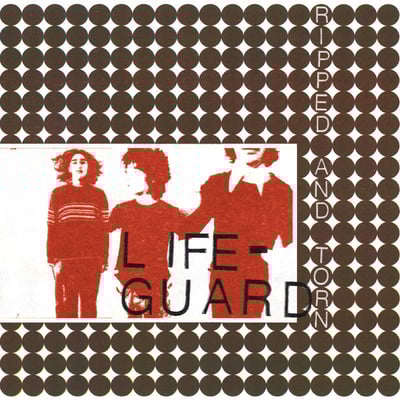
Lifeguard Ripped And Torn
Released Jun 6, 2025 Matador
Established consensus 8 professional reviews Updated Aug 25, 2026
Mostly positive consensus
Lifeguard's Ripped And Torn lands as a bracing, noisy debut that channels post-punk and garage fury into concise, hook-driven blasts.
How ChoruScore worksCritics' Top Tracks
The songs critics returned to most
A Tightwire
7 critic mentions
“The tightly wound “A Tightwire,” as perfect as any major indie label full-length debut statement” — No Ripcord
It Will Get Worse
7 critic mentions
“the youthful trio of Kai Slater (guitar, vocals), Asher Case (bass, baritone guitar, vocals) and Isaac Lowenstein (drums, synth)” — The Guardian
Music for 3 Drums
3 critic mentions
“The weirdly compulsive Music for 3 Drums knowingly references Steve Reich’s Music for 18 Musicians” — The Guardian
Full critic consensus
Lifeguard's Ripped And Torn lands as a bracing, noisy debut that channels post-punk and garage fury into concise, hook-driven blasts. Across eight professional reviews the record earned a 73.63/100 consensus score, and critics repeatedly point to a handful of tracks as the clearest returns on that energy - notably “A Tightwire”, “It Will Get Worse”, “Like You'll Lose” and “Music for 3 Drums” - which together frame the album's mix of danceable propulsion and abrasive texture.
The critical consensus emphasizes Lifeguard's economy of hooks amid distortion and drones; reviewers praise the band's knack for marrying angular guitars and driving rhythms with memorable choruses. Pitchfork, The Guardian and Rolling Stone highlight how “It Will Get Worse” and “A Tightwire” exemplify breathless momentum and urgent propulsion, while NME and Far Out single out “Music for 3 Drums” for its factory-floor rhythmic thrill. Several outlets credit Randy Randall's production for keeping textures sharp, helping brief songs and interstitials land as deliberate jabs rather than mere filler.
Not all critics agree, and that tension shapes the album's reception: PopMatters and DIY note moments of posery and repetition, arguing the short runtime and throwaway interludes sometimes flatten the record's promise, while Spill Magazine and Rolling Stone celebrate its live-friendly, sing-along immediacy. The consensus suggests Ripped And Torn is worth listening to for its standout tracks and youthful urgency, a promising articulation of Chicago's DIY/post-punk lineage that rewards repeat spins even as it occasionally favors style over sustained depth. Below you'll find the detailed reviews that map where the record thrills and where it frays.
Track Ratings
How critics rated each track, relative to this album (0-100). Only tracks that made critics feel something are rated.
A Tightwire
It Will Get Worse
Me and My Flashes
Under Your Reach
How to Say Deisar
(I Wanna) Break Out
Like You'll Lose
Music for 3 Drums
France And
Charlie's Vox
Ripped + Torn
T.L.A.
Get the next albums worth your time.
Critic-backed picks in one clean digest. No clutter.
What Critics Are Saying
Deep insights from 10 critics who reviewed this album
Fa
Critic's Take
Lifeguard’s Ripped and Torn is presented as beautiful, messy chaos and the reviewer repeatedly points to standout moments such as “How to Say Deisar”, “Music for 3 Drums” and “(I Wanna) Break Out” as the album’s high points. Dale Maplethorpe writes in exuberant, slightly anarchic prose, insisting you forget rules and let the record rewrite them, which is why the best songs on Ripped and Torn feel like deliberate jolts: abrasive, thrilling and oddly melodic. The review’s voice celebrates audacity and noise as artistry, recommending listeners get lost in the haphazard joy of tracks like “How to Say Deisar” and “Music for 3 Drums” rather than resist them.
Key Points
-
The best song, "How to Say Deisar", is prized for its pure noise-rock audacity and joyous contrast between chaos and serenity.
-
The album’s core strength is its fearless blend of feedback, noise and melody that creates cohesive, beautiful chaos.
Themes

Critic's Take
Lifeguard’s Ripped And Torn is a taut art-punk statement that earns its best-songs billing through sheer, scuzzy conviction. Tracks such as “Under Your Reach” and “How to Say Deisar” show how the band pairs metallic dub rhythms and jagged guitar leads to make their standout moments. The record’s production partnership with Randy Randall keeps textures sharp and accessible, which helps explain why these best tracks on Ripped And Torn land so memorably.
Key Points
-
“A Tightwire” is the best song because it is described as tightly wound and as perfect as an indie debut statement.
-
The album’s core strength is pairing noisy, art-punk aggression with tuneful songwriting and clear production guidance.
Themes


Critic's Take
Lifeguard arrive on Ripped And Torn with a bracing post-punk energy where the best songs - notably “A Tightwire” and “Like You'll Lose” - set the tone with urgent, off-kilter propulsion. Simpson writes with a relish for jagged detail, noting how “A Tightwire” establishes the template of urgent, disorienting guitars while “Like You'll Lose” turns that angularity toward something almost hymnal. The review highlights the peculiar, compulsive charm of “Music for 3 Drums” as a factory-floor ode to rhythm, so listeners asking about the best tracks on Ripped And Torn should start there. Overall the record feels like a confident, sometimes challenging debut that rewards repeat listening rather than immediate deciphering.
Key Points
-
The best song, "A Tightwire", is the album's template-setting opener that defines its urgent, off-kilter energy.
-
The album's core strengths are angular, driving post-punk guitars, dramatic builds, and a willingness to embrace distortion and rhythmic weirdness.
Themes

Critic's Take
In his ecstatic, conversational style, Rob Sheffield argues that Lifeguard make a debut you can slam on repeat: Ripped and Torn bristles with brash, melodic body-slam punk where songs like “A Tightwire” and “(I Wanna) Break Out” emerge as instant favorites. He punctuates the album with vivid references to their Chicago roots and Matador lineage, praising the frantic opener and the kinda-sorta theme song as the record’s best tracks. Sheffield’s voice keeps it breezy and authoritative, promising that spending the summer with Ripped and Torn will be fun.
Key Points
-
The best song is the opener "A Tightwire" because its frantic energy and bass breakdowns encapsulate the band’s forceful art-punk identity.
-
The album’s core strengths are youthful, brash energy, concise pacing, and melding abrasive guitar with melodic hooks.
Themes

Critic's Take
Lifeguard's debut Ripped and Torn rides a raucous, reverent energy, and the best songs - notably “It Will Get Worse” and “Like You’ll Lose” - land because they trust simple, memorable hooks. The reviewer's eye lingers on how “It Will Get Worse” pivots from lazy guitar to breathless momentum, and how “Like You’ll Lose” turns a shifty monotone into a mournful chorus, making them the album's clearest high points. Throughout, the band’s knack for vocalized “oh” sounds and an insistence on restraint over indulgence keeps these tracks vivid and immediate.
Key Points
-
The best song, "It Will Get Worse," is best for its sudden momentum shifts, memorable la-la-la melody, and sharp rhythmic propulsion.
-
The album's core strengths are concise hooks, disciplined restraint amid jagged atonality, and a clear lineage from British punk and post-punk.
Themes

Critic's Take
Lifeguard's debut Ripped And Torn reads like affectionate pastiche and provocation, and the review makes clear the best songs - notably “A Tightwire” and “It Will Get Worse” - are small thrills of vintage post-punk craft. The reviewer admires the opener's see-sawing chords and Hooky bass and praises the scraggly-stumming, half-yelped vocal of “It Will Get Worse” while still calling much of the record posery. There is real fun in the loud/soft dynamics and Randy Randall's production, but the album's short runtime and throwaway interstitials mean its promise flags after the vigorous opening. Ultimately the review treats the best tracks as convincing homages that still deliver brief exhilaration, even as the band often tips toward style over substance.
Key Points
-
The best song is the opener "A Tightwire" because its Hooky bass and see-sawing chords deliver the album's clearest thrills.
-
The album's core strength is energetic vintage post-punk production and lively loud/soft dynamics, though short interstitials and lack of follow-through undermine it.
Themes

Critic's Take
Lifeguard’s Ripped And Torn trades in dialled-back punk and emo-streaked vocals that repeatedly circle familiar ground, which is why the best songs on Ripped And Torn feel like small reprieves rather than revelations. The reviewer points to “Under Your Reach” and “(I Wanna) Break Out” as moments that interrupt the record’s monotony, offering differentiation and glimmers of individuality amid otherwise similar tracks. At the same time, songs like “How to Say Deisar” and “Like You'll Lose” tease intrigue at the start but retreat to safer territory, making them less successful as standout tracks. Overall, the record is competent and rehearsed but unsure of its destination, so the best tracks are those that briefly push the band beyond the well-trodden path.
Key Points
-
The best song(s) are those that break the record’s monotony, specifically "Under Your Reach" and "(I Wanna) Break Out".
-
The album’s core strengths are solid, rehearsed performances and polished post-punk production, but it suffers from sameness and indecision.
Themes

Critic's Take
Tom Morgan's prose catches the band as both precocious and steeped in musical literacy, so the best tracks on Ripped And Torn feel like deliberate homages and detonations at once. Overall, the album's thrills come from its confident DIY textures and the way individual songs translate youthful energy into taut, exhilarating arrangements.
Key Points
-
The album's core strengths are its DIY ethos, stylised rawness in production, and a youthful but literate fusion of punk, post-punk and avant-garde influences.
Themes

Critic's Take
In his high-energy write-up Joseph Mastel argues that Lifeguard’s debut Ripped And Torn is a thrilling blast of noisy garage punk, singling out “A Tightwire”, “It Will Get Worse” and “(I Wanna) Break Out” as pulse-quickening highlights. Mastel writes with breathless enthusiasm, praising the album’s frantic instrumentation and anthemic choruses while noting how songs like “Like You’ll Lose” and “T.L.A.” add danceable post-punk hues. The review keeps a celebratory tone throughout, framing the record as a concise, exhilarating debut that translates perfectly to live chaos and sing-along moments.
Key Points
-
The best song, “A Tightwire”, is the album's explosive opener that sets the frantic, chaotic tone.
-
The album's core strengths are relentless energy, anthemic choruses, and a willingness to blend garage punk with danceable post-punk and experimental textures.