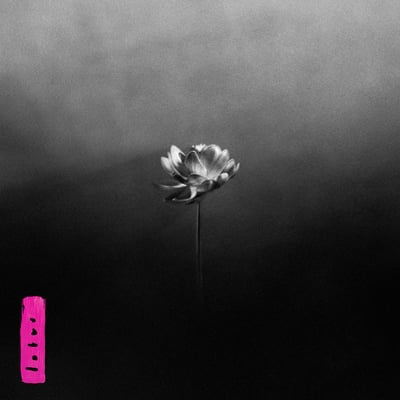
Little Simz Lotus
Released Jun 6, 2025 Little Simz
Established consensus 13 professional reviews Updated Oct 1, 2026
Broadly positive consensus
Little Simz's Lotus arrives as a fierce, shape-shifting statement that frames growth and creative rebirth through blunt lyricism and textured production.
How ChoruScore worksCritics' Top Tracks
The songs critics returned to most
Thief
10 critic mentions
“Why do you steal? Why do you spill blood and then go hide?” Simz raps on “Thief,” — Rolling Stone
Lotus
10 critic mentions
“the hard-edged majesty of the title track, on which Simz’s bite stands in striking contrast to the salve of Michael Kiwanuka and Yussef Dayes” — DIY Magazine
Lonely
8 critic mentions
“On “Lonely,” she frets, “Lonely making an album is tackling all doubt/I’m used to making it with” — Rolling Stone
Full critic consensus
Little Simz's Lotus arrives as a fierce, shape-shifting statement that frames growth and creative rebirth through blunt lyricism and textured production. Across 13 professional reviews critics highlight how tracks like “Thief”, the title song “Lotus”, “Blood”, “Lion” and “Lonely” emerge as the record's clearest touchstones, balancing combustible anger with moments of tenderness and hard-won wisdom.
The critical consensus awards Lotus an 84.15/100 score across 13 reviews, and reviewers consistently praise the album's production identity: sparse jazz and rock flourishes, Afrobeat and acid-soul inflections, and moments of punk and disco that let Simz's voice dominate. Critics repeatedly name “Thief” as a visceral opener - a diss-like blast driven by drum-and-bass urgency - while “Blood” and “Lotus” are singled out for their emotional candor and collaborative weight. Reviewers note themes of trauma, family pressures and redemption woven into confessional storytelling, and they point to the record's genre variety and inventive arrangements as evidence of artistic evolution.
While most professional reviews lean positive, critics offer nuance: some praise the album as a creative peak and reinvention, others flag occasional pacing and flow issues or uneven sequencing. Taken together the consensus suggests Lotus is both a risky experiment and a rewarding one - a record that trades polish for urgency and positions Little Simz as an artist probing resilience, revenge and healing. For those searching for a Lotus review or wanting to know the best songs on Lotus, begin with “Thief”, “Lotus” and “Blood” before exploring the album's quieter, revelatory cuts.
Track Ratings
How critics rated each track, relative to this album (0-100). Only tracks that made critics feel something are rated.
Thief
Flood
Young
Only
Free
Peace
Hollow
Lion
Enough
Blood
Lotus
Lonely
Blue
Get the next albums worth your time.
Critic-backed picks in one clean digest. No clutter.
What Critics Are Saying
Deep insights from 13 critics who reviewed this album

Critic's Take
Little Simz approaches Lotus with the same restless imagination and theatrical sweep that has defined her career, and the best songs - notably “Enough” and “Thief” - crystallise that ambition. Carter revels in the album's contrasts, from the cinematic slink of “Thief” to the irresistibly danceable funk of “Enough”, arguing these are the tracks most likely to linger. In short, the best tracks on Lotus pair big, bold production with Simz's precise, probing lyricism, making them standout moments on an album about growth and doubt.
Key Points
-
“Enough” is best because it combines irresistible danceability with hooky production and single potential.
-
The album's core strengths are bold experimentation, theatrical production, and candid vulnerability.
Themes

Critic's Take
In a white-hot, razor-edged record the best songs on Lotus are those that channel personal fury into riveting spectacle. Little Simz skulks like a film noir antihero on “Thief”, where Hitchcockian synths and violin flurries make it one of the album’s standout tracks. She turns contempt into cinema on “Hollow”, the lines there crackle with accusation and raw storytelling. Equally, “Young” shows her narrative gifts, shifting from a genteel drawl to punkish bite, which cements it among the best tracks on Lotus for its dramatic range and emotional immediacy.
Key Points
-
“Thief” is best for its cinematic production and Simz’s hushed, predatory delivery.
-
The album’s core strengths are theatrical instrumentation, sharp storytelling, and cathartic confrontation of betrayal and self-doubt.
Themes

Critic's Take
In her vivid, analytical tone Leah Fan argues that Little Simz has perhaps delivered her best work with Lotus, where standout songs like “Thief” and “Blue” crystallize the album's ambition. The review foregrounds the punchy opener “Thief” and the closing ballad “Blue” as key examples of Simz's range, from punk-driven basslines to intimate, rhetorical writing. Fan emphasizes how tracks such as “Peace” and “Hollow” balance heavy emotion with soothing instrumentation, reinforcing why these are among the best tracks on Lotus.
Key Points
-
The best song, particularly “Thief”, is best because it announces the album's depth with punk-driven bass and confident tone.
-
The album's core strengths are genre-blending arrangements, introspective lyricism, and emotional paradoxes between heavy themes and soothing instrumentation.
Themes

Critic's Take
On Little Simz's Lotus the best songs - notably “Peace” and “Free” - embody a bruised, triumphant centre, where breathless anger and cinematic soul collide. Barker writes with giddy certitude that Lotus is an affirmation, the best revenge being to simply be better, and those tracks crystallise that argument. The record toes the line between mourning and celebration, and songs like “Peace” serve as proof that the highs here are higher and the lows dissolved. Read as a reinvention of Grey Area, the strongest tracks on Lotus carry Simz's voice through mirrored production into something defiantly hers.
Key Points
-
“Peace” is best for its Cleo Sol-adjacent vocal and role in the album's cinematic soundscape.
-
Lotus' core strengths are emotional resilience, high production sheen, and reinvention of past work.
Themes

Critic's Take
Little Simz makes a startling claim with Lotus, and the best songs on Lotus - notably “Thief” and “Blood” - are where she feels most alive and dangerously direct. The record’s standout moments, from the grunge-thrash of “Thief” to the sibling-argument bar trade of “Blood”, make the best tracks on Lotus feel like living inside her skin. Where she softens into empathy, songs such as “Free” and “Blue” reveal why these are also among the best songs on Lotus: they balance hard-earned wisdom with tenderness. Overall, Lotus’s production and candor turn personal fallout into fiercely compelling music.
Key Points
-
“Thief” is the best song because its jarring, grunge-thrash production and cutting lyrics make the album feel viscerally personal.
-
The album’s core strengths are candid lyricism and textured, genre-spanning production that balance danger and empathy.
Themes


Ho
Critic's Take
Little Simz approaches Lotus with the restless inventiveness that defined her previous records, and the best songs on Lotus prove it. The opener “Thief” hits with drum-and-bass urgency and a Tarantino-flavoured rock riff, while “Free” pairs razor-sharp wordplay with a meditation on love and independence. Elsewhere, “Enough” brings futuristic disco sheen and the title track “Lotus” unfurls lush, textured arrangements featuring Michael Kiwanuka, giving the album its expansive centre. This is an album of range and versatility, and those standout tracks make clear why the best tracks on Lotus are also its most revealing moments.
Key Points
-
The best song, especially “Free”, stands out for its wordplay and its meditation on love equalling independence.
-
The album's core strength is its stylistic range and inventive arrangements across distinct songs.
Themes

Critic's Take
Little Simz keeps the confessional centre stage on Lotus, and the best songs on Lotus are the ones that wear that honesty openly, like “Thief”, “Lonely” and the title track “Lotus”. The reviewer's voice prizes the rawness of “Thief” - where Simz's growl and venom land with devastating clarity - and points to “Lonely” as the album's emotional epicentre. Praise sits alongside critique too, noting that some flows drag and that tracks such as “Blood” feel out of place, but ultimately the album's best tracks win because they turn pain into hard-won clarity.
Key Points
-
‘Lonely’ is the album's emotional epicentre because it strips Simz bare with heavy, harrowing honesty.
-
The album's core strengths are its raw introspection and resilient, redemptive moments that turn betrayal into affirmation.
Themes

Critic's Take
Little Simz tackles trauma head-on on Lotus, turning anger into combustible artistry. The review singles out “Thief” as distilled rage and applauds “Blood” as one of her finest, a sibling conversation swinging from rancour to devotion. The title track, “Lotus”, is described as a wracked slice of acid-soul driven by Yussef Dayes and Michael Kiwanuka, while “Young” and “Lion” provide wit and irresistible Afrobeat lift. Overall, Mojo hears an album that channels pain into potency and keeps brilliance within reach.
Key Points
-
"Blood" is the standout for its emotional complexity and is called one of Simz's finest works.
-
The album's core strength is channeling trauma and anger into combustible, collaborative music that blends Afrobeat and acid-soul.
Themes

Critic's Take
Little Simz arrives with Lotus as a confessional bloom, and the review makes clear the best songs are the ones that expose her most human moments. The standout tracks for me are “Blood”, whose experimental exchanges with Wretch 32 snag palpable emotion, and the title track “Lotus”, which unravels her introspection with Michael Kiwanuka's comforting lines. There is also a surprising lightness to “Young” that signals new creative playfulness, so those searching for the best songs on Lotus should start with those three. This album is less about commercial pyrotechnics and more about soul-searching craft, which is where its strengths lie.
Key Points
-
The best song is "Blood" for its experimental, emotionally raw exchanges with Wretch 32.
-
The album's core strengths are introspective songwriting, emotional candor, and stylistic breadth.
Themes
Re
Critic's Take
On Lotus Little Simz balances darkness and levity, and the best songs underline that tension. The review singles out “Flood” as charged with anger and driven by a relentless bassline, while “Free” offers a relaxed, summery respite. Those two tracks emerge as the standout moments, exemplifying the album's innovative shifts between punk, samba and soul, and Simz's insistence on emotional honesty. Overall the record is consistently innovative and committed, making “Flood” and “Free” the must-hear highlights.
Key Points
-
The best song is “Flood” because it channels anger with a relentless bassline that defines the album's intensity.
-
The album's core strengths are emotional honesty, genre-hopping innovation, and committed performances across varied styles.
Themes

Critic's Take
Little Simz sounds in command on Lotus, and the best songs - notably “Thief” and “Hollow” - crystallize that grit and clarity. Matthew Ritchie frames “Thief” as an invigorating opener that lands like a diss track, while “Hollow” lets Simz temper rapid-fire bars into plainspoken blows. Overall, the record feels like a slash-and-burn renewal where focused songwriting yields the standout moments listeners will return to when searching for the best songs on Lotus.
Key Points
-
The best song is "Thief" because it functions as an invigorating, focused diss-track that crystallizes the album's themes.
-
The album’s core strengths are Simz’s candid, plainspoken delivery and unfussy jazz/rock-inflected production that foregrounds her clarity.