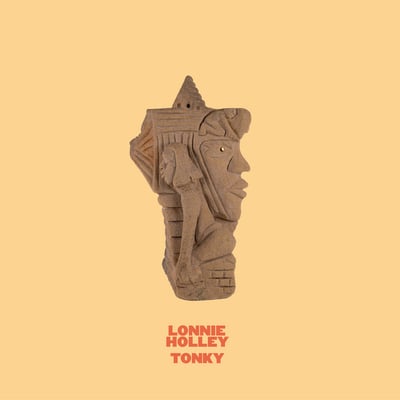
Lonnie Holley Tonky
Released Mar 21, 2025 Jagjaguwar
Established consensus 8 professional reviews Updated Dec 10, 2025
Broadly positive consensus
Lonnie Holley's Tonky confronts history and family memory with a voice equal parts witness and exhortation, and critics agree the record's emotional center comes through its standout songs.
How ChoruScore worksCritics' Top Tracks
The songs critics returned to most
Seeds
8 critic mentions
“Seeds", the opening track ... might be one of the most powerful and affecting pieces of music you’ll hear all year.” — Uncut
A Change Is Gonna Come
8 critic mentions
“The final song on Tonky is "A Change Is Gonna Come" - not the Sam Cooke classic, but an original song that hits some of the same notes.” — Uncut
The Burden (I Turned Nothing Into Something)
7 critic mentions
“best songs - “Protest With Love” and “The Burden (I Turned Nothing Into Something)” - as luminous fulcrums” — Dusted Magazine
Full critic consensus
Lonnie Holley's Tonky confronts history and family memory with a voice equal parts witness and exhortation, and critics agree the record's emotional center comes through its standout songs. Across eight professional reviews, the album earned an 83.13/100 consensus score, with repeated praise for the nine-minute opener “Seeds”, the jubilant “Protest With Love”, and the wrenching “The Burden (I Turned Nothing Into Something)” as the clearest answers to searches for the best songs on Tonky. Reviewers highlight how Holley's found-object sensibility and collaborators - from harp and clarinet to guest vocalists - shape a sound that blends recontextualized soul, experimental jazz, and political protest into personal testimony and communal fellowship.
Professional reviews consistently note themes of generational trauma, racial history, and survival through art, observing that tracks like “A Change Is Gonna Come” and “Life” recast familiar civil-rights anthems into Holley's intimate register. Critics celebrated the album's capacity to turn memory into moral urgency: some reviews emphasized the album's devotional, healing quality, while others pointed to moments where production smooths Holley's rougher edges. Across the consensus, Holley is credited with transforming personal horror into music that balances fury and exaltation, making Tonky feel like both a testimony and a call to action.
Taken together, the critical consensus suggests Tonky is a noteworthy, often essential addition to Holley's catalog—a record where collaboration, genre-blurring, and unfaltering testimony produce several must-listen tracks and a durable emotional impact. Read on for detailed reviews that unpack how these best tracks and recurring themes shape the album's moral and musical stakes.
Track Ratings
How critics rated each track, relative to this album (0-100). Only tracks that made critics feel something are rated.
Seeds
Life
Protest With Love
The Burden (I Turned Nothing Into Something)
The Same Stars
Kings In The Jungle, Slaves In The Field
Strength of A Song
What’s Going On?
Fear
I Looked Over My Shoulder
Did I Do Enough?
That’s Not Art, That’s Not Music
Those Stars Are Still Shining
A Change Is Gonna Come
Get the next albums worth your time.
Critic-backed picks in one clean digest. No clutter.
What Critics Are Saying
Deep insights from 9 critics who reviewed this album

Critic's Take
Lonnie Holley treats memory and myth like malleable material on Tonky, and the best songs - notably “Seeds”, “The Burden (I Turned Nothing Into Something)” and “I Looked Over My Shoulder” - are where his vulnerability pays off most fully. The record moves like a found-object sculpture, raw edges and all, and those standout tracks crystallize Holley’s gift for turning painful biography into spiritual, jazz-inflected anthems.
Key Points
-
The best song is the opener “Seeds” because its nine-minute spoken-word unravels Holley’s mystique and sets the album’s autobiographical frame.
-
Tonky’s core strengths are its vulnerability, experimental jazz textures, and purposeful sequencing that turns disparate moods into a cohesive autobiographical work.
Themes

Critic's Take
Lonnie Holley's Tonky finds its best tracks in their blunt, insistent humanity - chiefly “Protest With Love” and the centrepiece “What’s Going On?”. Noah Barker writes with a measured, urgent cadence, admiring how “Protest With Love” sticks with grit while production turns fury into funk. He singles out the reworked soul gestures - “What’s Going On?” and “A Change is Gonna Come” - as moments of songwriting brilliance that reframe familiar lines into radical questions. The result is an album whose best songs are both politically sharp and theatrically expansive, pushing Holley into blockbuster territory without losing personal witness.
Key Points
-
The best song, notably “Protest With Love”, pairs militant tenderness with grit and funk, making its political message stick.
-
Tonky’s core strengths are its fusion of political testimony, dense euphoric production, and reimagined soul motifs that reframe history into present questions.
Themes

Critic's Take
In his generous, documentary-eyed voice Matt Mitchell shows that on Tonky the best songs are the ones that carry memory into music - “Seeds” and “I Looked Over My Shoulder” stand out for their harrowing detail and emotional breadth. Mitchell writes with attentive specificity about how “Seeds” unspools nine minutes of memory and how “I Looked Over My Shoulder” functions as the album’s centerpiece, both tracks revealing Holley’s archival impulse and his capacity for intimate revelation. The narrative also elevates shorter illuminations like “Strength of A Song” for its plainspoken uplift, positioning these cuts as the best tracks on Tonky because they translate trauma into stubborn, sustaining hope.
Key Points
-
The best song is "I Looked Over My Shoulder" because it functions as the album’s anxious, string-laden centerpiece that turns suffering into global kinship.
-
Tonky’s core strength is its intergenerational storytelling that converts personal and ancestral trauma into sustained hope through inventive, collaborative arrangements.
Themes

Critic's Take
Lonnie Holley approaches Tonky like a shamanic archivist, and the reviewer hears the album's best songs - “Protest With Love” and “The Burden (I Turned Nothing Into Something)” - as luminous fulcrums of that vision. The writing privileges Holley’s incantatory voice, where snippets of memory and national history braid into songs that feel both intimate and epic. Those standout tracks carry the record’s moral weight and melodic stubbornness, and they are the clearest answers to searches for the best tracks on Tonky. The listener seeking the best songs on Tonky will find in these pieces the album’s largest gestures and deepest rewards.
Key Points
-
“Protest With Love” is the album’s best song because it crystallizes Holley’s incantatory voice and moral urgency.
-
The album’s core strengths are its blend of personal memory and national history, delivered in a trance-like, evocative performance.
Themes

Critic's Take
In this review, Lonnie Holley's Tonky is presented as an album of moral heft and emotional alchemy, with the best songs doing most of the heavy lifting. The nine-minute opener “Seeds” is cast as one of the most powerful and affecting pieces you'll hear this year, its minimal pulse and swelling layers turning personal horror into music about love and forgiveness. Beyond that, “The Burden (I Turned Nothing Into Something)” is singled out as a key song, where trauma is reframed as a legacy that art can transform. Together these best tracks on Tonky show Holley's uncanny ability to make pain sound like hope, and that is the album's abiding strength.
Key Points
-
The best song, "Seeds", is best because its nine-minute arc turns personal trauma into moving, redemptive music.
-
Tonky's core strengths are its blending of raw personal memory with polished production and an overarching message of love and hope.

Critic's Take
Lonnie Holley’s Tonky feels like a communal act of remembering, and the best songs on Tonky - notably “Seeds” and “Protest With Love” - show why. The opening “Seeds” is a harrowing nine-minute overture that turns personal trauma into a kind of testimony, while “Protest With Love” becomes the album's joyous, exhortatory center. Throughout, Holley and his collaborators stitch gospel, jazz, and rough-hewn pop into music that remembers and then moves forward, even when production sometimes smooths the edges. The result is an album whose biggest triumphs are its capacity to feel like fellowship and its insistence that remembering can inspire action.
Key Points
-
“Seeds” is the album’s emotional center, a harrowing nine-minute testimony that grounds the record.
-
Tonky’s core strengths are its communal remembering, genre-blending collaborations, and big-hearted mix of joy and testimony.
Themes

KL
Critic's Take
In a voice that relishes the unexpected, Lonnie Holley's Tonky finds its high points in intimate collaborations and bold, direct statements - the best songs on Tonky are the short, aching “Life” and the reflective “Did I Do Enough?” which crystallise Holley’s blend of anger and exaltation. Holley’s use of guests, from Mary Lattimore’s harp to Jesca Hoop’s backing, elevates these songs into the album’s most affecting instances, where political clarity and poetic detail meet.
Key Points
-
The best song is "Life" because its brief, harp-led fusion is called one of Holley’s most beautiful moments and anchors the album’s collaborations.
-
Tonky’s core strengths are its collaborative spirit, political urgency, and genre-blending that balances anger with exaltation.
Themes

Critic's Take
In a warm, conversational interview tone Mark Moody isolates the album’s strongest moments, noting that on Tonky Holley’s best songs like “Seeds” and “Did I Do Enough?” the personal history and moral urgency cut through most cleanly. Moody privileges the storytelling - he steers listeners to the tracks where Holley’s voice and life experience are most concentrated, and he treats “The Same Stars” as another highlight because of its ancestral resonance. The narrative stays rooted in Holley’s testimony and found-object sensibility, so readers searching for the best songs on Tonky will find Moody pointing them to those intimate, message-forward tracks.
Key Points
-
“Seeds” is the best song because it channels Holley’s childhood trauma into powerful, direct testimony.
-
The album’s core strengths are Holley’s storytelling, found-object aesthetics, and moral urgency linking personal history to collective change.